

At what age and how often should cervical screening be done – know the complete guidelines from the gynecologist

Cervical Screening Guidelines: Cervical screening is one of the most effective ways to prevent cervical cancer, but it is often postponed or ignored due to lack of information and misconceptions. Many women believe that testing is necessary only when symptoms appear, whereas cervical cancer often grows slowly without any symptoms. By getting regular checkups done at the right age, the initial changes in the cells are caught in time, due to which timely treatment becomes possible.
According to Dr. Shweta Wazir, Senior Consultant, Obstetrician and Gynecologist, Motherhood Hospitals, Gurugram, following the correct screening schedule based on age and risk factors is important for long-term and overall health of women. She explains that the main purpose of cervical screening is to identify abnormal changes in the cervix, which are mostly caused by persistent infection with high-risk strains of human papillomavirus (HPV).
Why is cervical screening important for women?
Cervical screening is a preventive health check-up, not a cancer-confirming test. It helps detect pre-cancerous changes at an early stage, when treatment is easier and more effective. Cervical cancer cases are still reported in high numbers in India, so regular screening can play an important role in reducing the risk of disease and death.
Cervical Screening Guidelines for ages 21 to 29
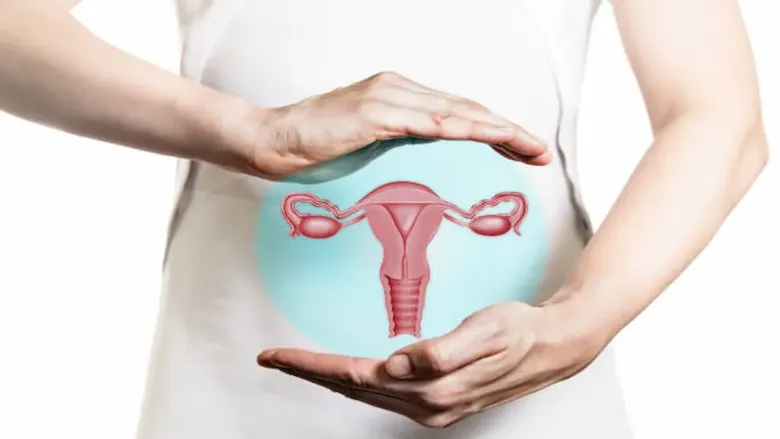
Women should start cervical screening at age 21, regardless of their sexual activity. At this age, it is recommended to have a Pap smear test once every three years. This test looks at cervical cells so that any abnormalities can be identified and further testing can be done if needed. HPV infection is common in young women and often resolves on its own, so routine HPV testing is not usually recommended at this stage unless a doctor deems it necessary.
Cervical Screening Guidelines for ages 30 to 49

Cervical screening becomes even more important after the age of 30. Women of this age can opt for Pap smear test once every three years or HPV test only every five years as per doctor’s advice and availability. In some cases, co-testing is also recommended, in which both the Pap smear and the HPV test are done simultaneously. This method helps in timely identification of high-risk HPV strains associated with cervical cancer.
Cervical Screening Guidelines for Ages 50 to 65
Cervical screening should continue even after menopause. Women of this age are advised to have a Pap smear test once every three years or an HPV test every five years. The risk of cervical cancer does not disappear completely with increasing age, so it is very important to remain constantly alert.
Do women still need cervical screening after 65 years?
After age 65, routine screening can be discontinued if all previous test reports have been consistently normal. But women who have had previous abnormal reports or who have been advised by a gynecologist should continue with follow-up screening.
Dr. Wazir emphasizes that regular cervical screening combined with timely and appropriate medical advice can save many lives. She encourages women to talk openly with their gynecologists, understand screening options, and prioritize preventive care rather than waiting for symptoms to appear.

Comments are closed.