
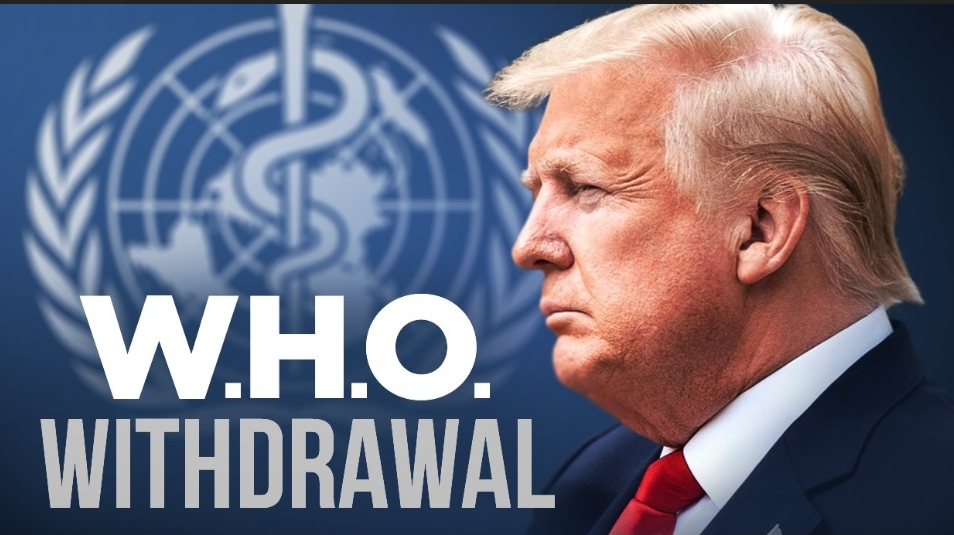

The administration cited WHO’s “mistakes during the COVID-19 pandemic,” including hindering timely information sharing, hiding mistakes under the guise of public health, and pursuing “a political, bureaucratic agenda driven by countries opposed to U.S. interests” (which alluded to China). Despite being a founding member since 1948 and the largest contributor (historically ~15–20% of the budget), WHO reportedly abandoned its core mission, potentially putting American lives at risk. The statement criticized WHO’s post-exit behavior, including refusing to return the US flag to Geneva headquarters, claiming the exit was without approval due to outstanding balances (~$133–278 million for 2024–2025), and continuing to “insult the US.”
All US funding, staffing and engagement with WHO has ceased, with future negotiations limited only to finalizing the exit process and protecting US health. The US will turn to direct bilateral partnerships and trusted institutions for global health efforts, with an emphasis on transparency and results rather than bureaucracy. It honors the pandemic’s victims, including those in nursing homes and affected businesses.
The WHO regrets the move as a loss to global health, and urges it to be reconsidered, while experts warn of its implications for flu surveillance and pandemics. The withdrawal marks a significant US retreat from multilateralism, reminiscent of Trump’s 2020 effort (which was overturned by Biden).

Comments are closed.