


Highlights
- Quantum computers excel at simulating quantum systems, optimization problems, and certain cryptographic tasks.
- They do not replace classical computers and are ineffective for everyday computing needs.
- Qubit instability and error correction remain the major hurdles to broad scalability.
- Practical, reliable quantum computing is decades away, with early benefits limited to research and industry.
Quantum computing has often been described as a game-changer for areas like artificial intelligence and climate modeling. Many discussions present it as a soon-to-arrive substitute for classical computers, claiming it can solve any issue instantly. However, quantum computing is not magic, and it is not a one-size-fits-all solution.
It is a specialized form of computation that is great for some tasks but not suitable for many others. To understand quantum computing realistically, we need to separate scientific developments from marketing hype and focus on what the technology can actually deliver in the next few decades.
What Makes Quantum Computing Different
Classical computers process information using bits that are either 0 or 1. In contrast, quantum computers use quantum bits, or qubits, that can exist in a mix of states. This means a qubit can represent both 0 and 1 at the same time until it is measured. Besides superposition, quantum computing also relies on entanglement, which is when the state of one qubit is linked to another, even over long distances.
These features let quantum computers handle certain types of information in fundamentally different ways. Instead of examining possible solutions one at a time, quantum algorithms can look at many solutions at once. However, this applies only to specific problem types, not to general-purpose computing.
What Quantum Computing Is Actually Good At
Quantum computing excels in specific problem areas.
Quantum System Simulation
One of its notable advantages is simulating quantum systems. Classical computers find it hard to accurately model molecules and materials on a quantum level, as the complexity increases rapidly. Quantum computers, governed by the same physical laws, are naturally suited to this task. This makes them valuable tools for drug discovery, chemical reactions, and research on advanced materials.
Optimization Problems
Another area where quantum computing shines is optimization problems. Certain quantum algorithms, such as quantum annealing and variational algorithms, can help identify optimal or close-to-optimal solutions in complex systems. This could apply to logistics, supply chain management, financial modeling, and traffic optimization, though the practical benefits over classical methods are still under review.
Cryptography and Security
Cryptography is another key area where quantum computing presents a theoretical threat to current encryption standards. Shor’s algorithm demonstrates that a sufficiently powerful quantum computer could compromise widely used public-key cryptographic systems like RSA. Although such machines do not yet exist, this potential has already prompted governments and industries to start developing post-quantum cryptography.
What Quantum Computing Is Not Good At
Despite its strengths, quantum computing is not simply a faster version of a laptop or smartphone processor. It does not perform everyday tasks well, such as word processing, web browsing, gaming, or running general-purpose software. Classical computers are still much more efficient, reliable, and cost-effective for these activities.
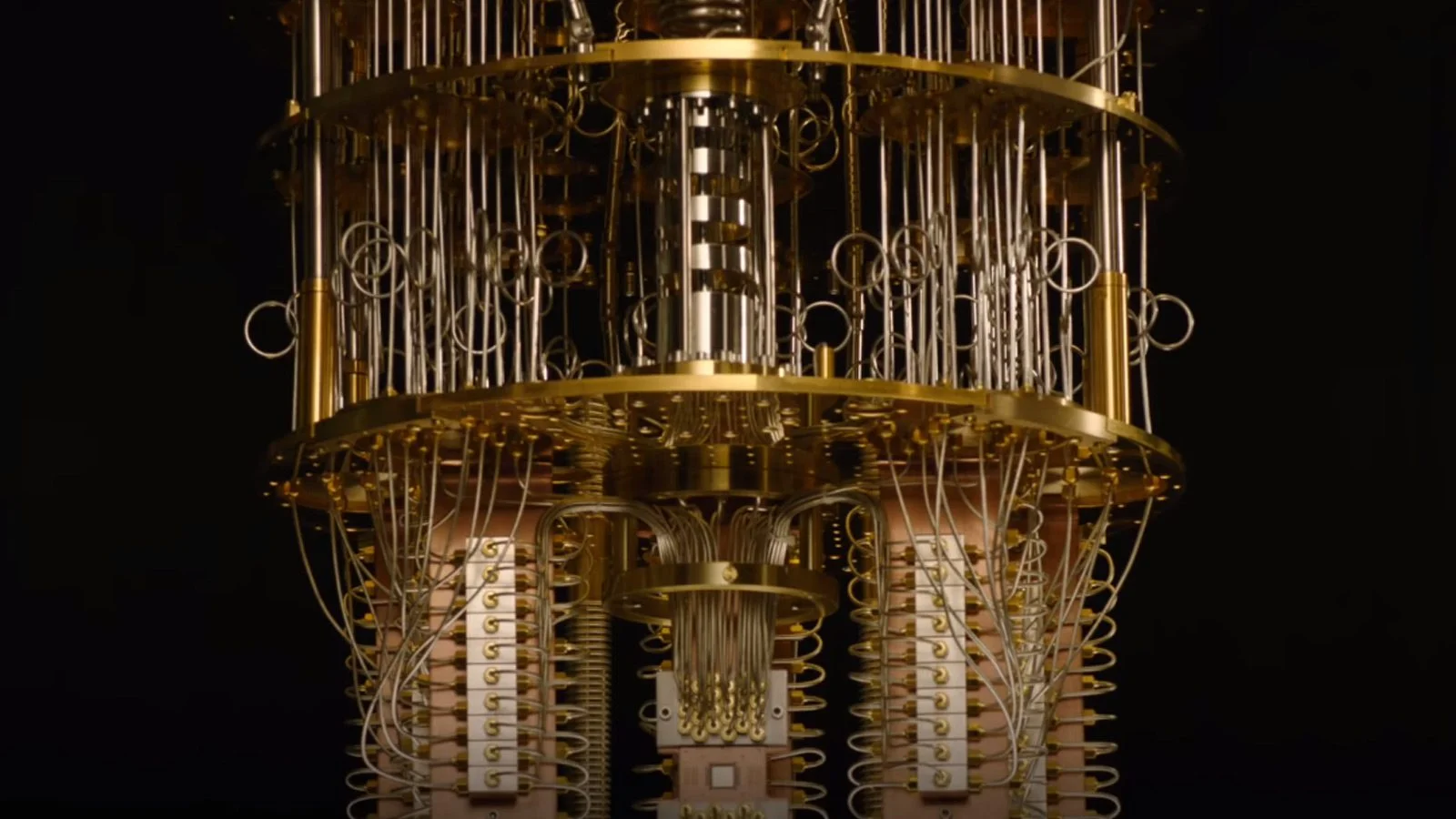
Quantum computers also do not outperform classical computers for all types of computational problems. Many tasks gain little or no improvement from quantum algorithms, and some tasks can actually be slower on quantum hardware. Additionally, quantum systems are very sensitive to noise and errors. Keeping qubits stable requires extreme conditions, like near-absolute-zero temperatures, alongside complex error-correcting methods.
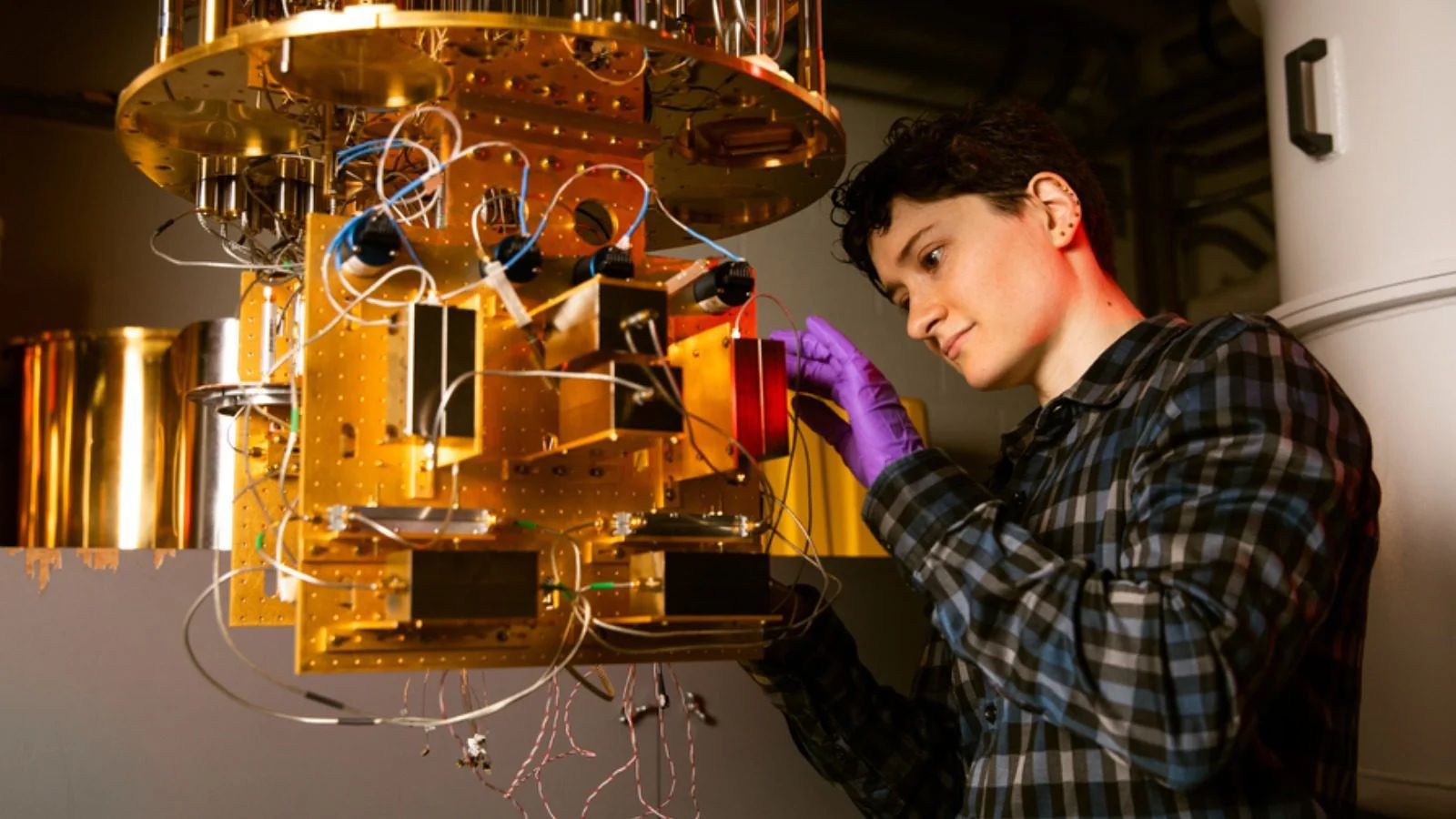
Importantly, quantum computing does not replace classical computing; it complements it. Most practical uses will involve hybrid systems where classical computers manage control, data processing, and user interactions, while quantum processors work on specific subproblems.
The Challenge of Error Correction and Scalability
One major challenge for quantum computing is error correction. Qubits are delicate and can lose their quantum state due to outside interference. Reliable computations need error-corrected logical qubits, which are made from many physical qubits.
Current quantum computers work with tens to a few thousand physical qubits, far from what is needed for large-scale, fault-tolerant computing. Scaling up while maintaining accuracy presents a significant engineering challenge. Progress is steady but gradual, not the rapid advancement some expect.
The Current State of Quantum Hardware
Today’s quantum computers belong to the Noisy Intermediate-Scale Quantum (NISQ) era. These machines can run experimental algorithms, but are too noisy for large and reliable computations. Key players like IBM, Google, and various startups are developing hardware based on superconducting qubits, trapped ions, and other methods.

While milestones such as “quantum advantage” have been achieved in specific tests, these successes do not yet lead to wide commercial applications. For now, quantum computing is mostly a research and exploration technology.
A Realistic Roadmap for the Future
In the short term, quantum computing will mainly be used in research institutions, universities, and specialized industrial laboratories. Over the next five to ten years, small improvements may lead to practical benefits in specific areas, such as chemistry simulations and optimization tasks.
In the long term, we may see fault-tolerant quantum computers capable of breaking current encryption or solving large-scale industrial challenges. However, this is likely to take decades rather than years. Parallel advancements in quantum software, algorithms, and post-quantum security will determine how the technology is adopted.
Conclusion: Progress Without Illusions
Quantum computing is neither a miracle solution nor an exaggerated myth. It is a powerful tool that addresses specific classes of problems that classical machines cannot handle. By recognizing its true strengths, limits, and realistic timelines, policymakers, businesses, and the public can engage with quantum computing in a grounded and knowledgeable way.
The future of quantum computing lies in augmenting computation; it is about expanding the possibilities of computation rather than replacing existing computers.

Comments are closed.