
SA vs AFG Super Over: How many super overs are allowed in T20, know what are the ICC rules? Which team gets more advantage

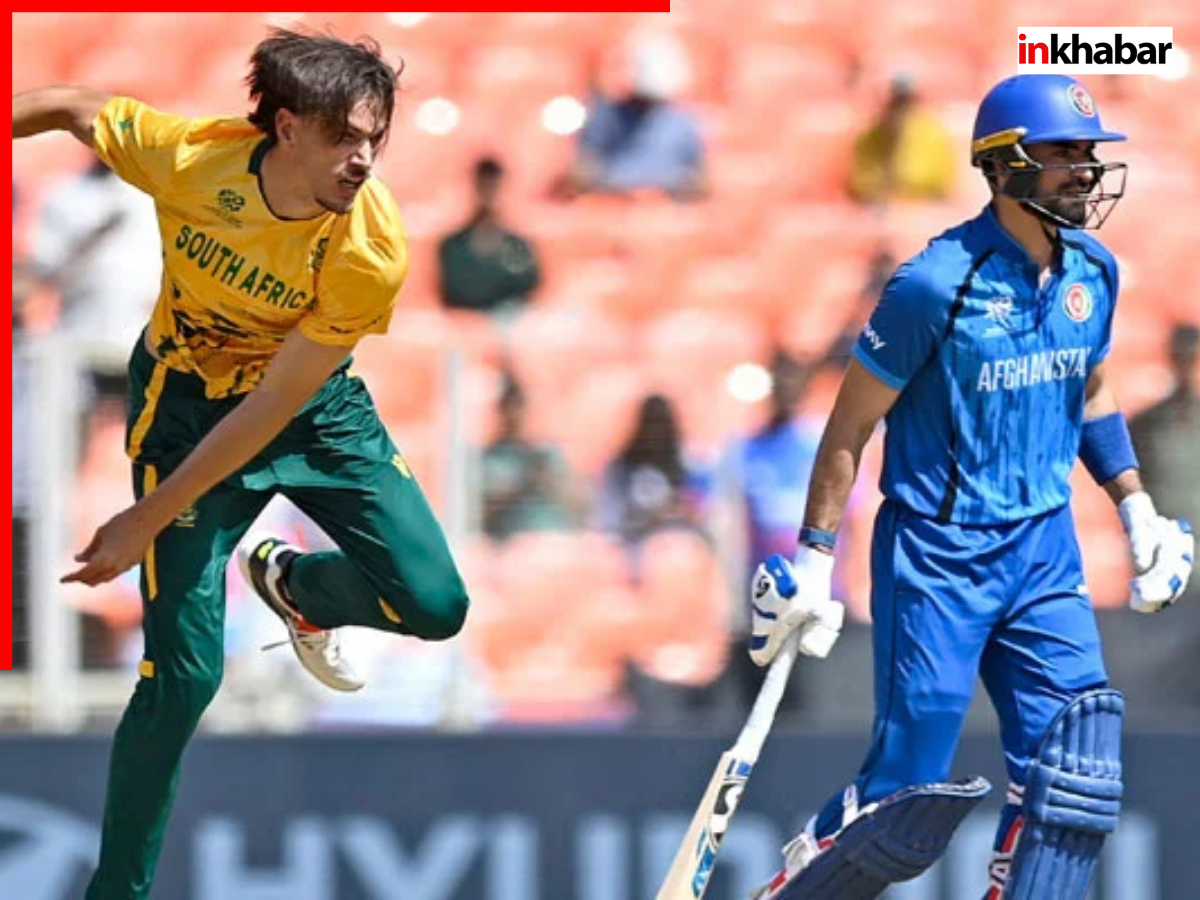
T20Is Super Over Rules: played in ahmedabad t20 world cup 2026 In an exciting match, a close contest was seen between South Africa and Afghanistan. Batting first, South Africa scored 187 runs for 6 wickets in 20 overs. Quinton de Kock (59) and Ryan Rickelton (61) gave a great start to the team by scoring strong half-centuries. In the end, Heinrich Klaasen’s quick innings took the score beyond 180.
Rashid Khan and Naveen-ul-Haq bowled economically for Afghanistan. Chasing the target, Afghanistan also scored 187 runs in 20 overs, due to which the match was tied. After this the winner was decided by Super Over, where the match became even more exciting.
Under the current ICC Playing Conditions for the T20 World Cup 2026 tournament, the rules have been designed to ensure a confirmed result and a new match if multiple tie-breakers are required.
What is super over?
In a super over, each team has one over of six balls. The team batting later in the main match always bats first in the initial super over.
Wicket Limit: Each team chooses three batters. If two wickets fall before the completion of six balls, the inning automatically ends.
Ban on bowling: The bowling team chooses from which end to bowl. The special thing is that the bowler who bowls the 20th over of the main match is eligible to bowl a super over, but if the match remains tied then no bowler can bowl two consecutive super overs.
No-return rule for batter
One of the most confusing things for the fans is whether the out batsman can take part in the next tie-breaker or not. The ICC rules are clear: any batsman who is out in the previous Super Over is not eligible to bat in the next Super Over of the same match.
This rule forces the captain to manage his resources carefully. If a star opener is caught or stumped in the first Super Over, he will have to watch from the dugout during the second Super Over, no matter how important his presence is. However, a batsman who was “not out” at the end of a tied Super Over is allowed to bat again in the next Super Over.
sequence of several super overs
If the first super over ends in a tie, the second one is played after an interval of five minutes. This process is repeated until the winner is decided. To keep the advantage neutral, the team batting later in the previous Super Over will bat first in the next Super Over. Kagiso Rabada’s funny memes went viral after the South African pacer bowled 2 no-balls in the last over during the SA vs AFG T20 World Cup 2026 match.
Despite the speed and importance of the runs, performances in the Super Over have no impact on a player’s official career average. Runs, wickets and strike rates are recorded separately only for match deciding purposes. This ensures that the high-risk nature of the six-ball’s fast pace does not unfairly impact a player’s long-term international record.
a change from before
These rules mark a major change from the controversial boundary countback rule used in the 2019 ODI World Cup. The current Infinite Super Over model ensures that matches are won on runs alone, providing a fairer, albeit more nerve-wracking, result for both players and spectators. The first Super Over and Double Super Over of the ongoing T20 World Cup 2026 took place between South Africa and Afghanistan, when the match was tied in regular overs.
The post SA vs AFG Super Over: How many Super Overs are allowed in T20, know what are the ICC rules? Which team gets more benefit appeared first on Latest.

Comments are closed.