
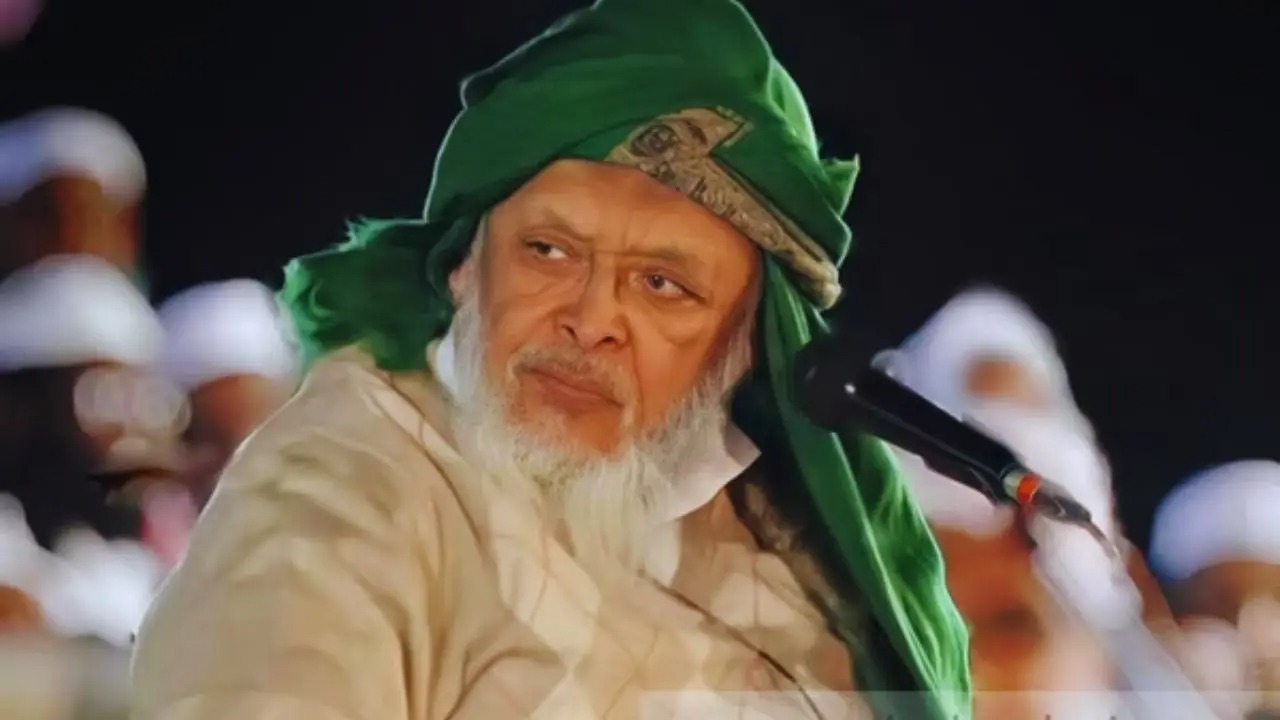
Maulana Madani’s big statement on the necessity of Vande Mataram before the national anthem, new debate on religious freedom started

News India Live, Digital Desk: The ideological war regarding the symbols of patriotism in India has once again intensified. The recent controversy started when some states and institutions suggested singing or making it mandatory to sing all the six stanzas of Vande Mataram before the National Anthem. On this, Jamiat Ulema-e-Hind President Maulana Arshad Madani has registered his objection, calling it an attack on the religious freedom of minorities. 1. Main objections of Maulana Madani (Religious Freedom Row) Maulana Madani said that India is a democratic country where every citizen has the right to live according to his religion. God and Vandana: Madani argues that in Islam, it is not permissible to worship anyone other than Allah. Earth has been addressed as a goddess in some stanzas of Vande Mataram, which creates a contradiction with Muslim beliefs. Forced imposition: He clarified that we love the country and fully respect the national anthem, but making singing of any religious or cultural song mandatory is against the Constitution.2. National Anthem and Protocol of Vande Mataram A large part of the controversy is related to its historical and legal protocol. According to the Constitution and laws of India, both have their own importance: Standard Jana Gana Mana (National Anthem) Vande Mataram (National Anthem) Status Constitutionally given the highest respect equal to the national anthem Composer Bindranath Tagore Bankim Chandra Chatterjee Compulsory Respect is necessary in government events, but lack of legal clarity on compulsion 3. What is the point of ‘Six Stanzas’? Usually only the first stanza of Vande Mataram is sung in official functions. The controversy escalated when a demand arose that its entire six antras should be sung. Critics say that there has been more use of religious symbols in the later Antaras, about which there is objection in a section of the Muslim community.4. On the other hand, supporters of Vande Mataram say that this song was the biggest source of inspiration for the freedom struggle. According to him: Vande Mataram is not a song of any particular religion but of ‘patriotism’. Considering the country as ‘Mother’ is a part of Indian culture and it should not be seen through religious prism.

Comments are closed.