

Virendra Pandit
New Delhi: In a messaging app crackdown, Russia has fully blocked the US-based messaging platform WhatsAppowned by Meta Platforms, over what the Kremlin described as the company’s ‘failure’ to comply with local laws.
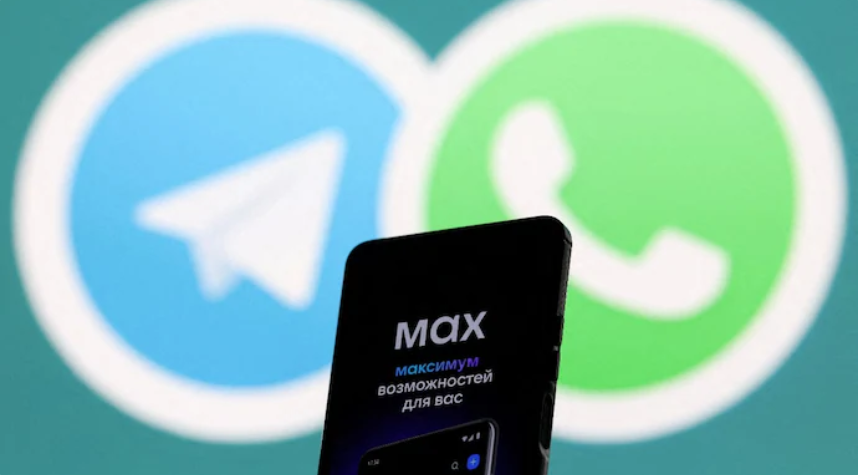
The crackdown on the platform having around 100 million Russian subscribers, comes amid a broader push by authorities to promote a state-backed super-app, a “national messenger” called Max, the media reported on Thursday.
Kremlin spokesperson Dmitry Peskov confirmed the decision, saying the government had implemented the block because of Meta’s ‘non-compliance.’
He said Meta could resume operations if it “complies with (the law) and enters into dialogue.”
“Due to Meta’s unwillingness to comply with Russian law, such a decision was indeed made and implemented,” he told reporters, and urged citizens to switch to Max.
“Max is an accessible alternative, a developing messenger, a national messenger, and it is available on the market for citizens as an alternative,” he said.
However, critics described Max as a surveillance tool, an allegation Russian authorities deny. Officials say the Max platform integrates various government-related services and aims to simplify citizens’ daily lives.
The crackdown follows six months of mounting pressure on WhatsApp and reflects Moscow’s broader effort, particularly during wartime, to establish what it calls a “sovereign” communications infrastructure. Under this framework, foreign technology companies must comply with Russian laws or face removal from the market.
According to reports, Meta Russia was in 2022 designated as an “extremist” organization. WhatsApp earlier complained that authorities were attempting to completely block its service.
“Today the Russian government attempted to fully block WhatsApp in an effort to drive people to a state-owned surveillance app,” the company said in a statement.
“Trying to isolate over 100 million users from private and secure communication is a backward step and can only lead to less safety for people in Russia.”
After the latest measures, some domain names associated with WhatsApp disappeared from Russia’s national register of domain names. Devices inside Russia stopped receiving the app’s IP addresses, making access possible only through a virtual private network (VPN).
Russia had already restricted WhatsApp and other messenger services in August 2025, blocking users from completing phone calls on the platforms. Officials accused foreign-owned platforms of failing to share information with law enforcement in fraud and terrorism cases.
In December 2025, Roskomnadzor (RKN), Russia’s internet regulator and federal service for supervision of communications, IT, and mass media, said it was taking additional steps to gradually restrict WhatsApp. It accused the app of continuing to violate Russian law and of being used “to organize and carry out terrorist acts on the territory of the country, to recruit their perpetrators and to commit fraud and other crimes.”
Russian courts have repeatedly fined WhatsApp for failing to delete banned content. Authorities also insisted that the company open a local representative office in Russia to comply with the law, which it has not done.
Since December, many Russians have relied on VPNs to access WhatsApp. Some users have shifted to rival messenger apps, although platforms such as Telegram are also facing pressure from authorities for similar reasons.
Roskomnadzor said this week it was further curbing access to messaging app Telegram as well, citing a lack of security. Telegram is also highly popular in Russia and said to be widely used by Russian forces in Ukraine.
Even before Russian invasion of Ukraine in February 2022, authorities had begun work on creating a domestic alternative to the global internet. Those moves gathered pace during the war, along with a push toward state-backed platform called Max.
Max is now being promoted widely inside Russia, through TV advertisements and billboards, by local officials, and by the media.
Russia has argued that both WhatsApp and Telegram have refused to store Russian users’ data in the country as required by law. Moscow also alleged that WhatsApp is one of the main services used to defraud and extort money from Russians – a reason they cite for people to migrate to the Max app.
State-run news agency TASS reported recently that WhatsApp was expected to be permanently blocked in the country in 2026.
“Such harsh measures are absolutely justified” since Russia has designated Meta as an extremist organization, Andrei Svintsov, a Russian official, was quoted as saying.
WhatsApp was previously Russia’s most popular messaging service, but since Meta was labeled as “extremist” in 2022, its apps such as Instagram and Facebook were blocked in Russia and are only accessible through VPNs. Russians are not banned from using its products.
Digital rights project Na Svyazi (In Touch) has reported that Russia has increasingly been removing websites from the state-run internet address directory, which is controlled by Roskomnadzor.
It said that 13 popular resources were now missing from the National System of Domain Names (NSDI), including YouTube, Facebook, WhatsApp web, Instagram, the BBC, and Deutsche Welle. Once an entry is removed, the site does not open without a VPN.

Comments are closed.