
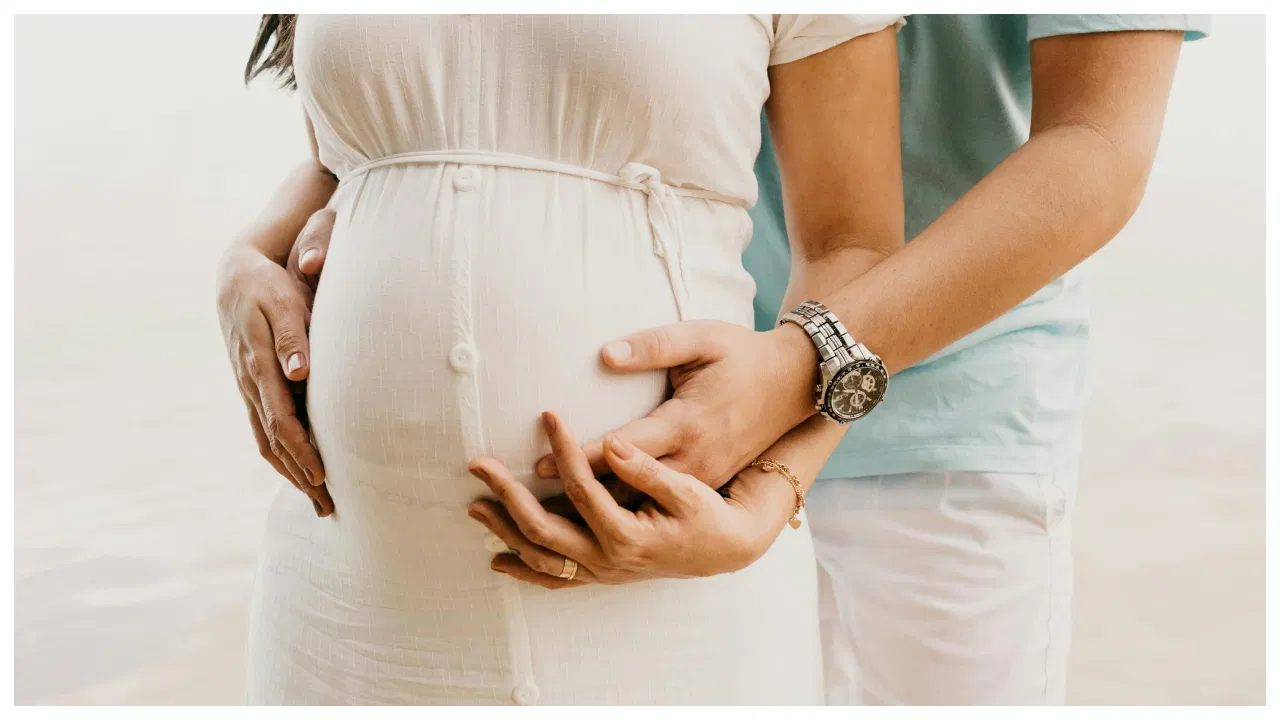

New Delhi: The first protection a child ever receives does not begin at birth—it begins in the mother’s womb. Pregnancy is not only a biological process of growth; it is also the foundation of lifelong immunity, neurological development, and metabolic health. During these nine months, the body of the mother becomes the child’s first environment, first nutrition source, and first defense system as well. The placenta also acts as a remarkable shield, transferring the essential nutrients, oxygen, and antibodies that prepare the baby for life outside the womb. This kind of early biological protection also forms the blueprint for resilience in the years ahead.
In an interaction with News9Live, Dr. Anupama Gangwal, Senior Consultant – Obstetrics and Gynaecology, Cocoon Hospital, Jaipur, spoke about how a mother’s womb is the first line of defense for a child.
The Science of Maternal Immunity
One of the most extraordinary aspects of pregnancy is the transfer of maternal antibodies to the foetus. These antibodies also provide passive immunity, protecting newborns from infections during their most vulnerable early months. Research also indicates that maternal vaccination, a balanced amount of nutrition, and proper prenatal care significantly enhance this immune transfer. In essence, the health of the mother directly shapes the immune readiness of her child. Adequate intake of micronutrients such as iron, folate, calcium, and vitamin D further strengthens fetal organ development and neurological growth as well. Therefore, pregnancy is not only about carrying life—it is also about building a child’s first protective shield.
Nutrition, Environment & Emotional Wellbeing
The womb is highly responsive to its environment. Fetal development is influenced by a variety of factors, such as maternal stress levels, exposure to toxins, sleep patterns, and lifestyle habits. Developmental biology highlights that emotional well-being during pregnancy contributes positively to hormonal balance, which in turn supports the healthy formation of the brain. Calm, well-nourished mothers foster a stable intrauterine environment. Preventive healthcare during pregnancy mainly includes routine screenings, antenatal visits, and medical guidance—to ensure that potential risk is addressed early, reinforcing the child’s foundational defenses.
Prevention Begins with Maternal Care
Considering pregnancy as the first line of defense shifts how we approach maternal healthcare. Early prenatal registration, structured nutrition plans, vaccination schedules, and continuous monitoring are not optional luxuries—they are protective investments. Some conditions, such as gestational diabetes, anaemia, or hypertension, can definitely impact the long-term child health outcomes if left ignored. Timely medical intervention also ensures both safety and optimal fetal development.
The journey of protection begins long before the first cry of the baby in the delivery room. Pregnancy is the most powerful preventive phase in human life. When mothers receive comprehensive medical support, balanced nutrition, and emotional reassurance, then they are not only nurturing the child—they are also strengthening the first and most significant line of defense.

Comments are closed.