
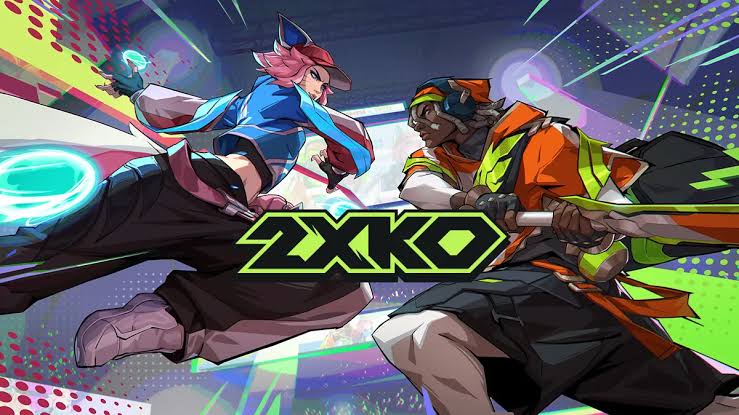

Riot Games has significantly reduced the development team behind its newly released 2v2 fighting game 2XKOcutting nearly half of the staff assigned to the project just weeks after the game’s full launch. The move highlights a rapid shift in strategy for the title and reflects broader restructuring efforts underway at the company.
The layoffs come shortly after 2XKO reached its official 1.0 release, marking what should have been a key growth period for the game. Instead, Riot has opted to scale back the size of the team after reviewing player engagement trends following the expansion of the game from PC to console platforms. While the title has built a loyal and enthusiastic core community, the overall level of growth has not matched expectations required to sustain a larger development operation.
Riot plans to continue supporting 2XKO with a smaller, more focused team that will concentrate on improving gameplay systems and responding to player feedback. The company has indicated that more details about upcoming changes and long-term development priorities will be shared in the near future.
About 80 Roles Eliminated, Redeployment Options Offered
According to information shared with PC Gamerroughly 80 positions connected to 2XKO are being eliminated. Although Riot has not publicly confirmed the exact total size of the original development team, the figure represents just under half of the staff working on the game.
Employees affected by the layoffs are being given the opportunity to apply for other open roles within Riot Games. The company says it is working to support impacted workers through the transition and is encouraging internal mobility where possible. This approach mirrors Riot’s previous restructuring efforts, where redeployment within the organization was offered to soften the impact of job cuts.
Importantly, Riot has stated that its competitive plans for 2XKO remain intact. The company’s roadmap for the game’s 2026 Competitive Series has not changed, signaling that Riot still intends to develop the title as a long-term esports contender. Competitive play has been a cornerstone of Riot’s success with franchises like League of Legends and Valuingand the studio appears committed to giving 2XKO a place within its esports ecosystem.
Latest Step in Riot’s Ongoing Corporate Restructuring
The downsizing of the 2XKO team is part of a larger, multi-year effort by Riot Games to streamline operations and concentrate on projects with the highest strategic value. In early 2024, the company shut down its Riot Forge publishing label and eliminated around 530 jobs across multiple departments as part of a sweeping reorganization.
At that time, Riot leadership acknowledged that several expansion initiatives launched after 2019 had not produced the expected returns. The company decided to narrow its focus and invest more heavily in a smaller number of flagship projects. Additional layoffs followed in October 2024, continuing the company’s push to operate more efficiently.
Despite those reductions, Riot has continued to invest heavily in its core franchises. Company leaders have repeatedly pointed to League of Legends as a central pillar of future growth, with plans for major updates and long-term expansion. By contrast, newer projects like 2XKO are facing closer scrutiny as Riot evaluates performance and sustainability.
A Game Nearly a Decade in the Making
The recent layoffs are especially notable given the long development history of 2XKO. The fighting game traces its origins back to Riot’s 2016 acquisition of Radiant Entertainment, a studio with deep expertise in fighting game technology. Riot officially revealed the project in 2019, but it remained in development for years before reaching players.
After extended testing and refinement, 2XKO entered a short closed beta phase and launched in early access in October 2025. The game finally reached its full 1.0 release on January 20, placing the staffing cuts less than a month after its official debut.
Because the game is not distributed through Steam, public player metrics are limited. This lack of transparent data makes it difficult for outside observers to measure its commercial performance. However, the decision to reduce the development team so soon after launch has fueled speculation about the game’s early momentum and long-term outlook.

Comments are closed.