
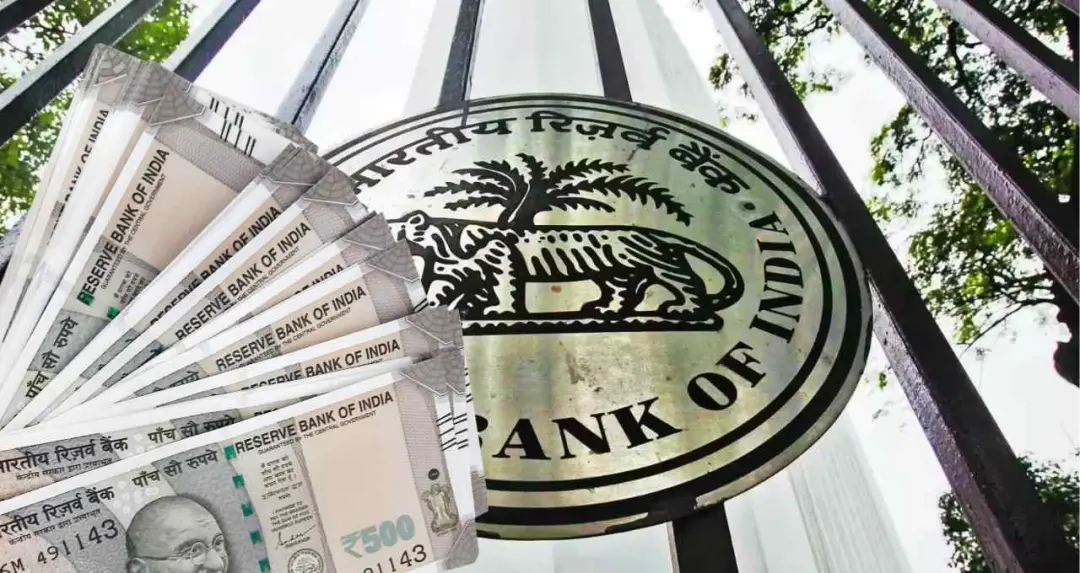

RBI has proposed new rules to prevent mis-selling. Under these rules, which will come into effect from July, banks will have to take separate consent for each financial product and forced bundling will be banned.
RBI Rule: The Reserve Bank of India (RBI) has proposed major changes in the banking and financial sector to protect customers from mis-selling. The new draft rules issued by RBI are aimed at ensuring that no bank or financial institution sells any product without the knowledge and explicit consent of the customer. After the implementation of these rules, the way of selling loans, insurance, mutual funds and other financial products may completely change.
RBI believes that complaints of mis-selling through third-party products, digital platforms and sales agents have increased rapidly in recent years. For this reason, the need for strict and uniform rules was felt to protect the interests of customers.
New rules will come into effect from July
RBI has currently released these rules in draft form and has sought suggestions on it till March 4. Final rules will be issued after considering all the suggestions. RBI has made it clear that these rules will come into effect from July 1. After this, banks and NBFCs will have to make changes in their sales process, training system and digital platforms.
After the implementation of the new rules, transparency in the sale of financial products will increase and customers will have full rights to take their own decisions.
Rules will apply to all banks and NBFCs
These rules will not be limited to just big private or government banks. RBI has clarified that these will apply to all regulated entities. This includes commercial banks, small finance banks, payment banks, local area banks, regional rural banks, urban and rural co-operative banks, NBFCs and housing finance companies.
This means that no matter which institution the customer is associated with, he will get the benefit of the same security and rules.
There will be a strict ban on forced bundling
The biggest impact of the new rules will be on forced bundling. Now no bank will be able to forcibly sell insurance, mutual funds or other third-party products by linking them with the loan.
It is often seen that in the name of loan approval, customers are forced to take unwanted insurance or investment products. RBI has decided to stop it completely considering it a wrong practice.
Separate consent required for each product
If more than one financial product is being offered to a customer, now separate consent will have to be obtained for each product. Taking approval of all the products in a single form or in a single click will not be valid.
The customer will be clearly informed as to which product he is agreeing to and what are its terms. This will eliminate confusion and stop mis-selling.
There will be a limit on the time of sales calls
To provide relief to customers from frequent annoying calls, RBI has also fixed the timing of sales calls. Now bank employees or sales agents will be able to call or visit only from 9 am to 6 pm.
Apart from this, it will also be necessary to take the permission of the customer before calling or visiting. This will protect customer privacy and reduce unwanted marketing calls.
Complete ban on dark patterns
RBI has also shown strictness on dark patterns used on digital platforms. Now pre-ticked boxes, hidden conditions or misleading designs will not be used on banking apps and websites.
It will be essential to give the customer a chance to understand each option and choose for himself.
Full refund and compensation on mis-selling
If it is proved that any financial product has been sold to a customer by giving false information or without consent, then the institution will have to return the entire money. Along with this, the customer will also have to pay compensation. RBI has made it clear that whether the sale is done through an agent or through a digital platform, the responsibility for the same will be entirely that of the bank or financial institution.

Comments are closed.