
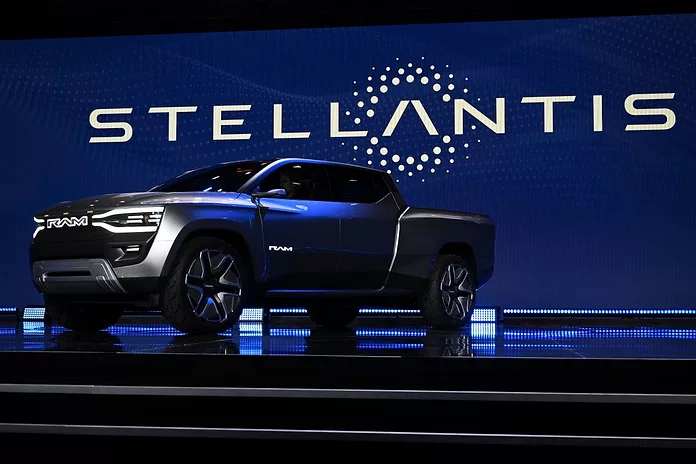

Stellar has announced a major strategic reset, pulling back from several electric vehicle (EV) projects as it moves to better align with what customers are actually buying rather than what policy timelines once suggested they would.
The decision comes with a hefty price tag. The company has confirmed charges totalling £19 billion, largely driven by slowing EV demand in the United States, its most critical growth market.
EV Slowdown Forces Costly Rethink
Over the past five years, Stellantis invested heavily in electrification, betting on a rapid transition to battery-powered vehicles. That assumption has now been reassessed. Demand growth in the US has softened, infrastructure expansion has lagged expectations, and affordability remains a major barrier for many buyers.
Stellantis says its EV journey is not ending, but the pace will now be dictated by market demand rather than regulatory pressure. In practical terms, that means fewer near-term EV launches and a renewed focus on hybrids and internal combustion engine (ICE) vehicles.
Industry-Wide Reality Check
Stellantis is not alone. The broader auto industry is confronting the same reality.
In December, Ford warned it expects losses of nearly £15 billion this year, largely tied to its electric vehicle operations. General Motors reported losses of around £5 billion last year as EV sales fell short of projections.
What this really means is that the industry’s early EV optimism has collided with consumer hesitation, rising costs, and uneven charging infrastructure, especially outside major urban centres.
Leadership Acknowledges Strategic Missteps
A stellar CEO Antonio Filosa was candid about the reasons behind the move.
“The charges announced today largely reflect the cost of over-estimating the pace of the energy transition that distanced us from many car buyers’ real-world needs, means and desires,” Filosa said. He also pointed to past operational shortcomings, adding that a new leadership team is already working to address those issues.
The statement marks a rare admission from a global automaker that strategy, not just market conditions, played a role in the setback.
US Investment Takes Priority
Despite the EV pullback, Stellantis is doubling down on the US market. Nearly £10 billion will be invested over the next four years to drive growth, including the launch of five new vehicles.
However, not all planned models will survive the reset. Several projects have been cancelled, including an electric RAM pick-up truck that was once positioned as a flagship EV offering.
Pattern of Strategic Retrenchment
This is not the first clean break Stellantis has made. Seven months ago, the company quietly exited its hydrogen fuel cell programme for light commercial vehicles, signalling a broader move away from alternative powertrains that lack clear commercial momentum.
For now, Stellantis is betting that flexibility, not speed, will define the next phase of the transition. The company believes offering customers a wider mix of hybrids, petrol, and electric vehicles is the most realistic way forward in an uncertain market.

Comments are closed.