
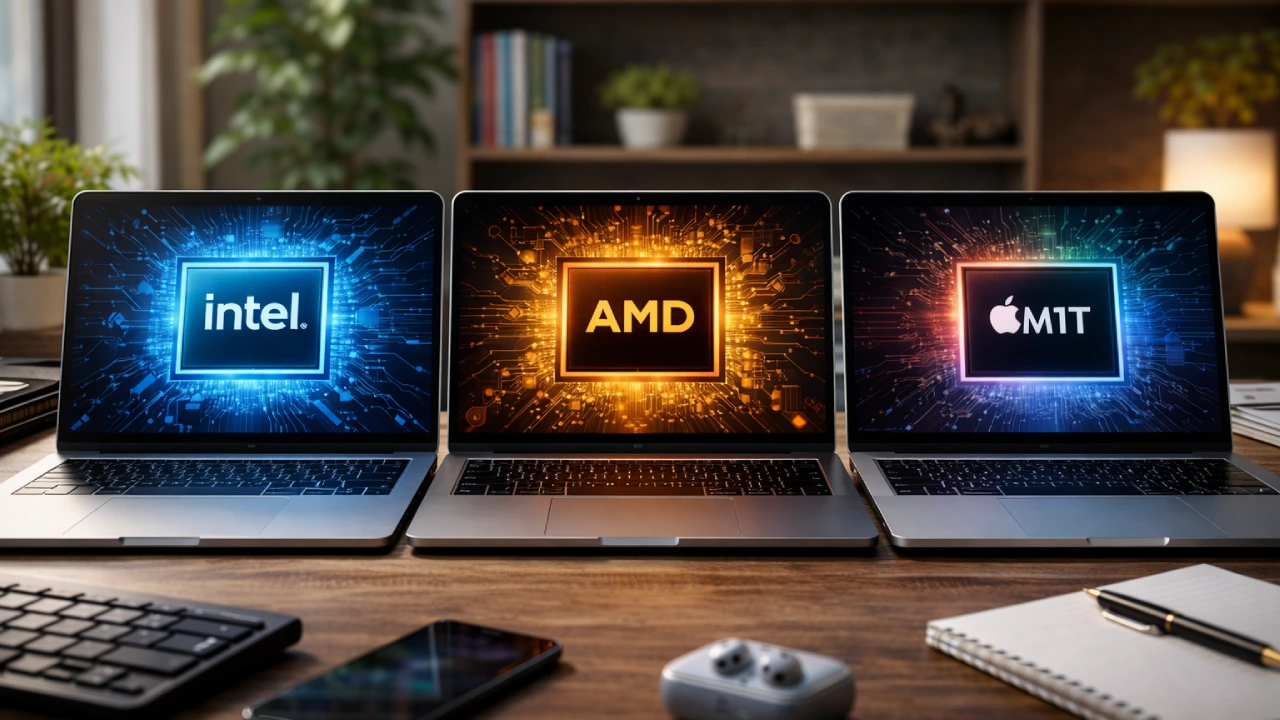

Highlights
- Laptop CPU performance in 2026 depends on efficiency, thermals, and real workloads, not peak speed.
- Intel leads in compatibility and enterprise versatility across laptop categories.
- AMD delivers strong multi-core efficiency for developers and power users.
- Apple Silicon offers unmatched battery life and creative performance within macOS.
For years, laptop CPU comparisons were straightforward. Faster clock speeds and higher benchmark numbers meant better performance. The previous reasoning process has become outdated.
The 2026 laptops will exceed their primary function of fast computing. The new devices need to perform without creating heat problems while offering extended battery usage and supporting current workloads, which combine standard computing with AI-powered processing. The decision to select processors from Intel, AMD, and Apple now requires evaluation of which processor meets your work requirements instead of determining which processor offers superior performance.
Each platform has developed into its own unique way of conducting business operations. Intel creates flexible products which work with multiple systems, AMD delivers affordable multi-core solutions, and Apple Silicon technologies enable developers to explore new possibilities through their combined hardware and software development approach.
The comparison using specification sheets will reveal how these central processing units operate during actual laptop performance tests, which include gaming and coding as well as creative work and routine tasks.
Intel: Versatility and Market Dominance
The global market for laptop CPUs named Intel as its leading vendor because of the company’s extensive product distribution network. The Intel brand offers laptops that range from ultra-slim business devices to powerful gaming machines, covering all market segments and price points.
The hybrid architecture of Intel uses high-performance cores together with efficiency cores to enable laptops to adjust their power needs according to different usage situations. The system uses minimal power for light tasks, while it reaches maximum capacity during heavy usage situations, which depend on temperature control systems.
The users gain multiple usage options through this system. The Intel platform provides support for various software applications and peripheral devices, and multiple operating system types. The unmatched ability of Intel to work with existing software and corporate systems has made it the top choice for businesses around the globe.
The system provides multiple benefits to users,s but users need to accept its limitations. Intel chips generally consume higher energy during continuous operation because their thin and light models require it. The battery life for this device has reached better levels, but it still depends on the design of the laptop and the optimization efforts from the manufacturer.

Intel processors operate at their optimal level when they receive sufficient cooling and power resources. This method operates effectively in high-end ultrabooks and high-performance laptop computers. The performance of thin devices becomes restricted because their thermal design power limits prevent extended operation.
AMD: Efficiency Meets Multi-Core Performance
The laptop market has experienced massive growth since AMD entered the field, which has become one of the most important developments in personal computing during the last ten years. AMD CPUs will serve as the top choice for users who need to handle multi-core tasks in 2026 because they strike the ideal balance between performance and efficiency.
AMD processors excel in tasks such as compiling code, rendering, multitasking, and data-heavy applications. The architecture enables efficient power consumption because it delivers high-performance results, which allow laptops to operate at their maximum speed without generating excessive heat or noise from fans.
The development of software requires users to maintain consistent operation because they need the software to work properly throughout their entire work session. AMD-powered laptops have become popular among engineers, students, and professionals because the devices provide stable and reliable performance during extended work sessions.
The battery performance throughout all three manufacturers’ AMD laptops shows good results. The power endurance of AMD systems reaches or surpasses that of Intel systems when the systems receive proper optimisation while they deliver their maximum performance.
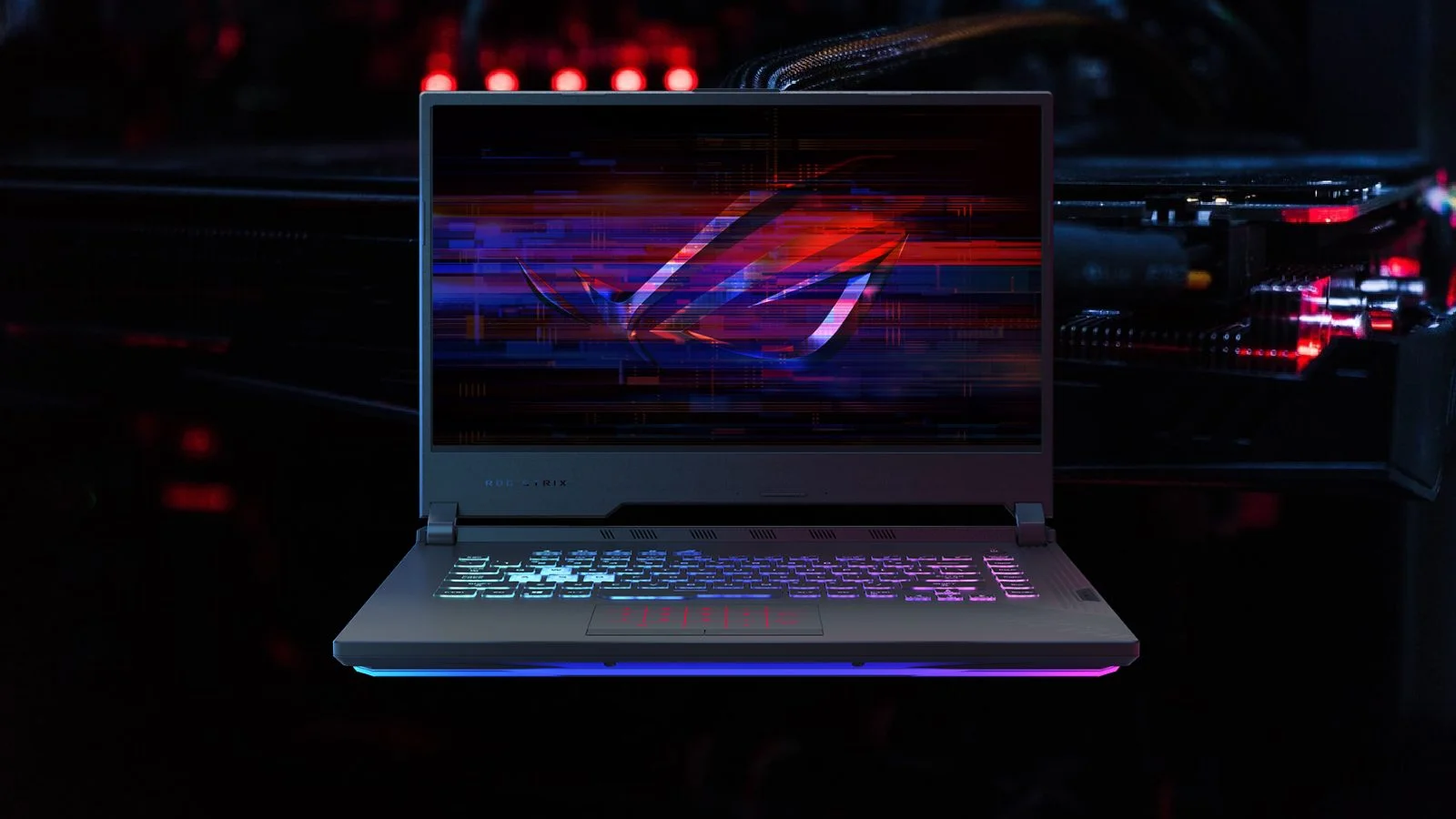
The primary restriction of the system exists because it can only provide service to high-end users. The market offers AMD-powered premium laptops, but their total count remains lower than that of Intel-based models, which are especially common in particular geographic areas and business-oriented products.
Apple Silicon: Redefining Laptop Efficiency
Apple Silicon chips enable developers to create software that uses advanced hardware capabilities through their unified architecture design. Apple Silicon chips provide a complete computing system because they combine central processing unit functions with graphics processing unit capabilities and memory management.
The outcome produces exceptional operational effectiveness. Silicon-powered Apple laptops achieve outstanding performance while using extremely low electricity, which results in battery durations that frequently surpass 15 hours during actual usage. This development creates fundamental changes for professionals who work in mobile environments.
Apple Silicon shows superior performance in creative tasks, which include video editing, music production and design work, because it uses dedicated media engines and highly optimised software. Laptops that face heavy operational demands remain operational without producing any audible noise.
The system provides high operational capacity for users who need to complete resource-intensive tasks but operates with various limitations. Apple Silicon chips function exclusively on Apple laptops, which creates compatibility challenges for various professional applications and video games that operate on macOS. Windows-based users who depend on specific software tools or unique applications will face operational challenges despite the recent support enhancements. Apple Silicon functions as a specialized platform that provides users with benefits when they use Apple products.
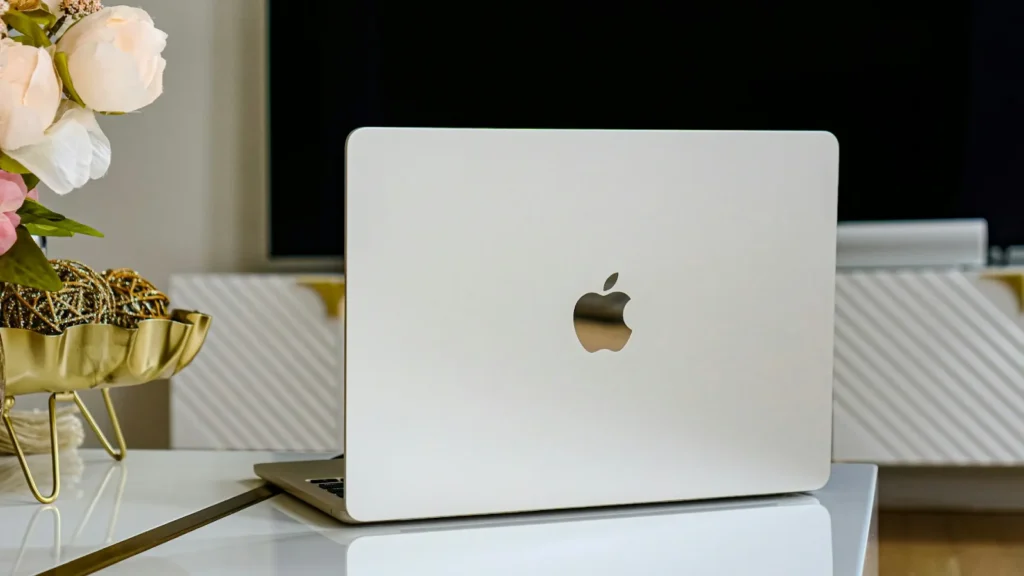
Gaming Performance: Discrete GPUs Still Matter
The CPU controls part of the gaming system. The processor controls frame rates, stability, and overall experience, while discrete GPUs control more of the gaming experience.
Intel and AMD dominate gaming laptops because their products work with high-performance GPUs and provide access to various games. Intel provides strong single-core performance, which helps older games and competitive games, while AMD offers multi-core performance for modern game engines and background processes.
Apple Silicon GPUs offer impressive performance improvements, but software compatibility prevents mainstream games from running on their platform. The native titles deliver good performance,e but the complete library contains fewer titles.
Gamers should choose between Intel and AMD because their final choice depends on the laptop design and GPU combination rather than the CPU performance.
Coding and Development Workloads
Developers place unique demands on laptops. The CPU handles processing demands from compilation, virtualisation, and container workloads, and multitasking, which differ from consumer activities.
AMD CPUs deliver optimal performance because they maintain stable power levels during extended workloads, while their multi-core capability enables them to handle heavy processing tasks. The compiling process works faster because long compile jobs finish at a consistent speed, which improves performance in thermally constrained laptops.

Intel remains competitive, particularly in systems with strong cooling. Intel systems enable enterprise development environments, testing tools, and virtual machines to operate properly because they support enterprise development environments. Cross-platform development becomes challenging because architectural differences create problems for developers who want to build x86-compatible applications.
Creative Work: Media Engines vs Raw Power
Creative professionals benefit from both CPU performance and specialised hardware acceleration.
Apple Silicon surpasses all other platforms because it enables users to experience fast rendering and real-time previews while consuming minimal power. The absence of fan noise stands out to video editors and musicians as their primary benefit from this technology.
Intel and AMD rely more on brute-force CPU and GPU power. Windows-based creative pipelines achieve equal performance to these systems with the right hardware yet display higher power consumption and heat generation.
Selection between these options depends more on software selection and workflow needs than on performance metrics.
Battery Life: The Deciding Factor for Many
Battery life has become one of the most important differentiators in laptop CPUs.
Apple Silicon establishes the standard for battery life, especially during light and moderate usage periods. Intel has narrowed the gap significantly, especially in newer ultrabooks, but results vary by manufacturer.
AMD delivers impressive battery performance when combined with its energy-efficient designs, which frequently exceed Intel performance in equivalent setups.
Battery life serves as the single most important factor for both frequent travellers and remote workers.
Platform Longevity and Value
A laptop CPU is not just a performance decision; it is a long-term commitment.
Intel and AMD provide users with multiple operating systems and hardware configuration options, which makes their products the most suitable choice for users who need direct system access.
Apple Silicon delivers long-lasting performance in macOS, but users experience limitations when they try to use it on other systems. Users need to invest all their resources into the Apple ecosystem to achieve maximum benefits.
Global Verdict: Match the CPU to the Work
In 2026, no single laptop CPU exists that can be considered the best option.
The Intel processor provides users with multiple choices because it delivers enterprise support and various compatible options.
AMD delivers the best performance for developers and power users who demand efficient operation with long-lasting power at affordable rates.
Apple Silicon provides the best battery performance and creative workflow optimisation for macOS users.
The optimal processor selection for your work environment requires you to select the processor that matches your work patterns.

Comments are closed.