

Highlights
- Engaging Workouts: VR fitness turns cardio, strength, and flexibility exercises into immersive, motivating experiences that increase consistency.
- Mental and Physical Benefits: Besides improved endurance and coordination, VR workouts can reduce stress and boost motivation through gamification.
- Motion Comfort Matters: Start slowly, choose room-scale experiences, and take breaks to avoid dizziness and cybersickness.
- Safety First: Clear play areas, proper warm-ups, staying hydrated, and knowing your health limits are essential for safe VR exercise.
Virtual reality has moved beyond gaming and into fitness and health. It now offers interactive workouts that blend movement, motivation, and immersive settings. VR fitness apps turn exercise into engaging activities, including options like boxing, dance, guided yoga, and cardio training. While this makes workouts more fun and accessible, it also brings up new concerns about motion comfort, physical safety, and long-term health. Knowing both the benefits and the precautions can help users get the most out of VR fitness while keeping risks low.
How VR Fitness Works
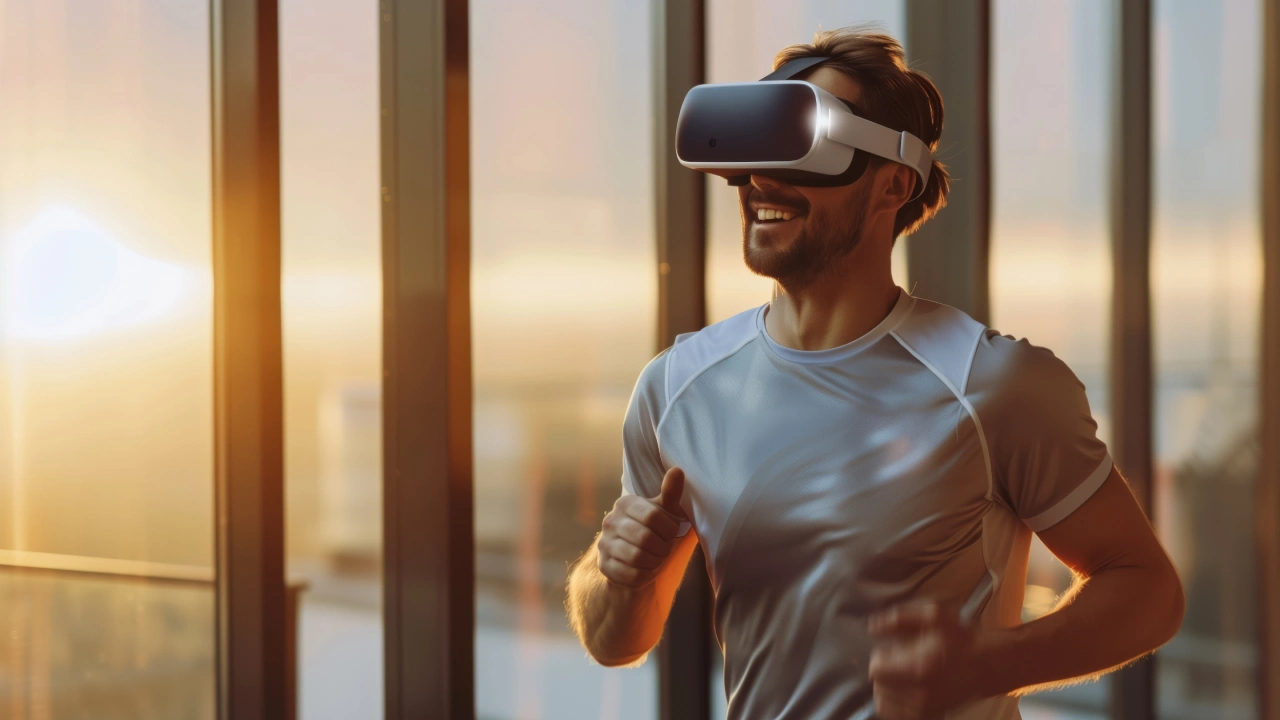
VR fitness uses head-mounted displays and motion tracking to turn physical movement into gameplay or guided workouts. Users might punch targets, dodge obstacles, follow rhythm-based routines, or explore virtual landscapes. Hand controllers, body tracking, and precise sensors convert real-world motion into virtual actions. Some platforms also monitor heart rates, track performance, and offer AI coaching to adjust workouts based on individual fitness levels.
Unlike traditional home workouts, VR fitness focuses on engagement and presence. By immersing users in visually striking environments and interactive challenges, VR decreases boredom and boosts adherence, which is often the main barrier to regular exercise.
Physical Health Benefits of VR Workouts
One of the main advantages of VR fitness is that it increases physical activity among people who may not enjoy regular exercise. Cardio-focused VR games can raise heart rates to moderate or vigorous levels, similar to brisk walking, cycling, or aerobic classes. Over time, consistent VR workouts can enhance cardiovascular health, endurance, coordination, and balance.
VR fitness also promotes functional movement. Many games involve squatting, lunging, reaching, and twisting, engaging several muscle groups and improving overall mobility. For those with limited access to gyms or outdoor spaces, VR offers a convenient option that fits well in small living areas.
Mental Health and Motivation Benefits
In addition to physical health, VR fitness provides mental and emotional perks. Immersive environments can lessen perceived effort, making workouts feel easier than they are. Game-like elements, such as scores, levels, and achievements, create a sense of progression and reward that helps maintain motivation.

VR workouts can also help reduce stress and enhance mood. Physical activity releases endorphins, while immersive visuals and music can encourage relaxation or excitement, depending on the experience. For some users, VR offers a safe, judgment-free space to exercise, which is particularly valuable for beginners or those concerned about body image.
Popular Types of VR Fitness Experiences
VR fitness platforms offer a wide variety of workout styles. Boxing and martial arts games focus on high-intensity cardio and upper-body strength. Dance and rhythm-based workouts emphasize coordination and endurance. Yoga and stretching apps provide guided sessions in calming virtual settings, supporting flexibility and mindfulness. There are also meditation and breathwork experiences aimed at mental well-being rather than physical exertion.
This range allows users to select workouts that fit their fitness goals and physical abilities. Many platforms provide short sessions, making it easier to incorporate exercise into busy schedules.
Motion Comfort and Cybersickness Considerations
Motion comfort is an important issue for VR fitness, especially for newcomers. Cybersickness can happen when visual movement in VR doesn’t align with the body’s physical sensations, causing symptoms like dizziness, nausea, or headaches. Fast-moving environments, artificial movement, and low frame rates raise the risk.
Fitness apps that focus on room-scale movement—where users move their bodies instead of using virtual movement controls—are generally more comfortable. Beginners should start with stationary or slow-paced experiences and gradually increase their tolerance. Proper headset fit, good ventilation, and taking breaks at the first sign of discomfort are key to staying comfortable.
Physical Safety and Injury Prevention
While VR fitness promotes movement, it also carries physical safety risks if not used carefully. Limited visibility of the real world raises the risk of colliding with walls, furniture, or other people. Setting up a clear play area with enough space is essential. Many headsets include boundary systems that signal users when they’re nearing obstacles, but this shouldn’t replace basic awareness of surroundings.

Injury prevention includes proper warm-up and cool-down routines. VR workouts can feel playful, leading users to overexert themselves without realizing it. Maintaining good form, wearing supportive footwear, and avoiding sudden or extreme movements can help reduce the risk of strains and falls.
Health Considerations for Different Users
VR fitness isn’t suitable for everyone without precautions. Those with balance disorders, severe motion sensitivity, heart conditions, or joint issues should consult a healthcare professional before starting. Children should use VR fitness under supervision, as prolonged headset use might strain developing vision and posture.
Staying hydrated and controlling temperature are also important. VR workouts can be intense, and headsets may trap heat. Regular water breaks and well-ventilated spaces help prevent overheating and fatigue.
Best Practices for New VR Fitness Users
New users should take their time with VR fitness. Short sessions of 10 to 20 minutes help the body adjust to both physical exertion and immersive visuals. Choosing beginner-friendly apps, tweaking comfort settings, and setting up safety boundaries can enhance the initial experience.
Listening to the body is vital. Pain, dizziness, or excessive fatigue are signs to stop and rest. Over time, users can increase workout intensity and duration as they become more comfortable and fit.
Conclusion: A Balanced Approach to VR Fitness
VR fitness can make exercise more engaging, accessible, and enjoyable by combining physical movement with immersive technology. Its benefits also extend to mental well-being and motivation, particularly for users who struggle with traditional workouts. However, these benefits come with responsibilities. Users must take motion comfort, physical safety, and individual health considerations seriously.

With careful thought, VR fitness can be a powerful addition to a healthy lifestyle. By understanding its benefits and following basic precautions, users can safely use virtual reality as a tool for both physical and mental health.

Comments are closed.