
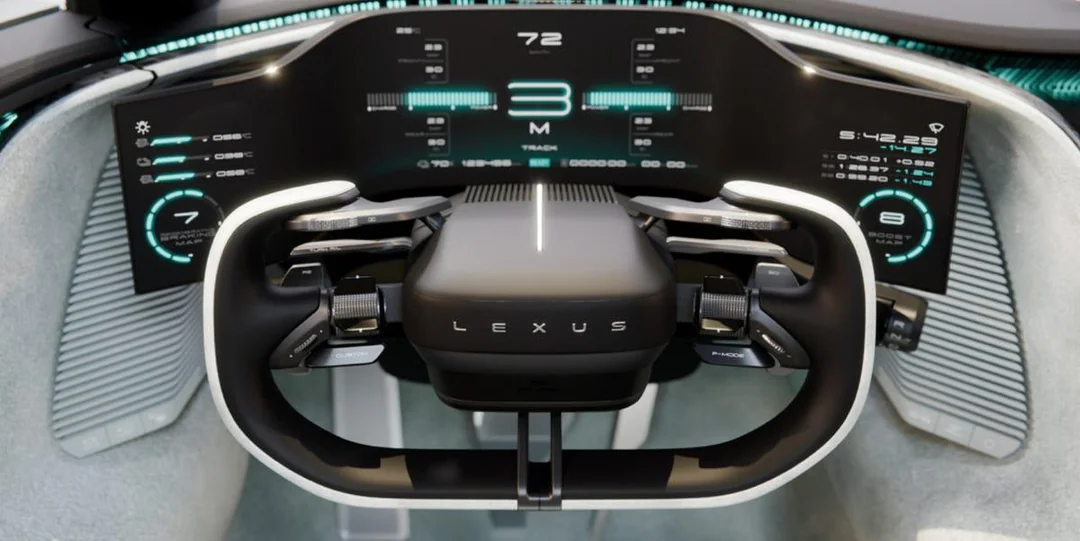

China is preparing to draw a firm line on steering wheel design. A newly released draft of mandatory automotive safety standards proposes an outright ban on steering yokes, signaling that regulators are unwilling to compromise on what they see as a core safety risk. If finalized, the rules will come into effect on January 1, 2027, replacing standards that have largely remained unchanged since 2011.
While steering yokes have been hyped for years in concept cars and gained mainstream attention through models like the Tesla Cybertruck, they’ve struggled to win over regulators. China may now make that hesitation official.
Why Yokes Fail the New Safety Test
At the heart of the issue is crash safety. The updated standards require steering wheels to undergo impact testing at 10 distinct points around the rim, including the top center. That requirement alone effectively disqualifies a yoke-style steering system, which lacks a continuous upper rim by design.
According to Chinese regulators, this is not just a technicality. Internal safety data reportedly shows that 46 percent of driver injuries originate from contact with the steering column. A traditional wheel can absorb force or shield the driver from the dashboard during a crash. A yoke, officials argue, creates an open path for secondary impacts.
Airbag performance is another concern. Regulators remain unconvinced that steering yokes can consistently support predictable and safe airbag deployment, especially given their limited real-world crash history.
Screens Under Scrutiny Too
The proposed rules don’t stop at steering wheels. China is also targeting heavily screen-based interiors, a design trend popularized by brands like Tesla and newer tech-driven automakers such as Xiaomi.
Under the draft regulations, essential vehicle functions must be operated via physical controls. Turn signals, hazard lights, gear selection, and emergency calling systems would all need fixed buttons or switches, each with a minimum surface area of 10mm by 10mm. The message is clear: touchscreens should not replace tactile controls when speed and instinct matter most.
This approach aligns with China’s recent ban on concealed door handles, which came after concerns that hidden mechanisms could trap occupants following crashes.
Tougher Rules for Automated Driving
Automation is another major focus. The draft standards propose mandatory regulations for Level 3 and Level 4 automated driving systems. These systems would be required to perform at least as well as a competent, attentive human driver.
Automakers would also need to submit detailed case studies demonstrating how their systems handle unusual or complex driving scenarios. On top of that, any autonomous system must be capable of bringing the vehicle to a stable, stationary state if the system fails or the driver becomes incapacitated.
What Happens Next
Public comments on the proposed regulations will remain open until April 13. If adopted, all new vehicle models seeking approval in China must comply immediately. Existing models will be given a 13-month transition period.
What this really means is simple. China is asserting that futuristic design cannot come at the expense of proven safety fundamentals. For automakers betting on radical interiors and unconventional controls, the world’s largest car market is sending a very clear signal.

Comments are closed.