
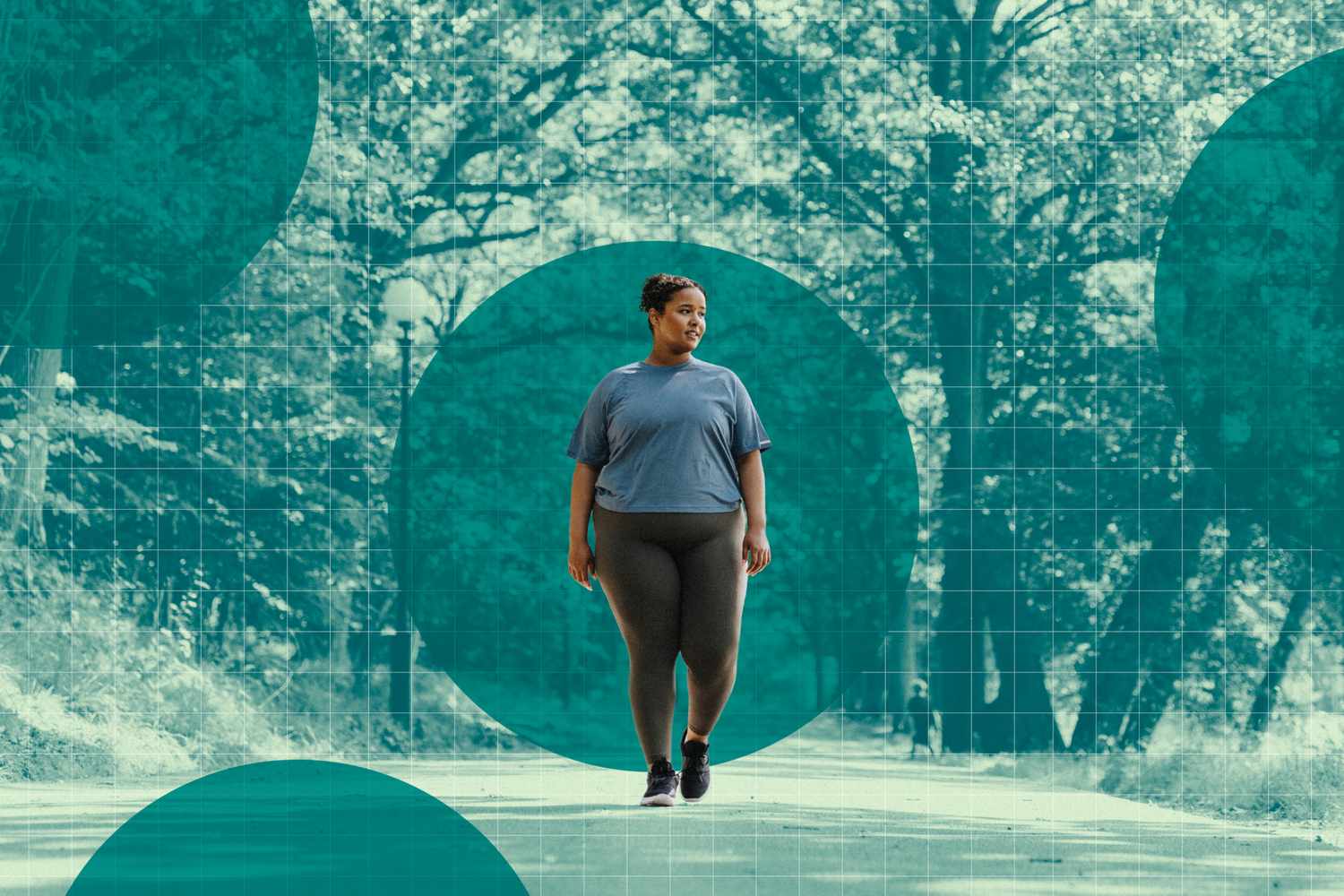

- Walking improves insulin sensitivity, helping muscles use glucose for energy and lowering blood sugar.
- A short walk after meals, even 10-15 minutes, can reduce post-meal blood sugar spikes.
- Regular walking supports weight management, reduces stress and boosts overall health.
We hear a lot about blood sugar and all the different foods that can affect it, but what about one of the most common forms of exercise: walking? Walking is a great way to stay active without pricey memberships, and it’s a gentle way to start exercising if you’re new to it. In addition to its convenience, walking is great for blood sugar management and overall health.
“Walking offers many health benefits for people with diabetes. It can help support healthy blood glucose levels by improving how well your body uses insulin, improving heart-related risk factors, aiding in weight management, improving body composition and boosting mobility,” says Toby Smithson, M.S., RDN, CDCESa certified diabetes educator. Learn more from experts about how walking benefits your blood sugar both directly and indirectly as well as tips for getting started.
How Walking Can Help Manage Your Blood Sugar
It Improves Your Body’s Response to Insulin
Insulin is a hormone produced by the pancreas that is needed to move glucose (sugar) from the blood to the cells to use for energy. Most people with diabetes have insulin resistance, also known as impaired insulin sensitivity, a condition in which the cells become ‘resistant’ to insulin, making the hormone less effective. As a result, blood sugar levels begin to rise.
Exercise, such as walking, improves your body’s response to insulin during and after activity, which has an impact on your blood sugar both short-term and long-term. “Exercise improves insulin sensitivity—it helps muscles use glucose for energy, reduces inflammation and improves insulin signaling in the body,” notes Vanessa Curtis, M.D.
It Reduces Your Blood Sugar After Meals
“When you walk, your muscles actively pull glucose from your bloodstream for fuel, which immediately lowers blood sugar levels,” says Rekha Kumar, M.D., M.S.
“Walking after meals, about 15-30 minutes, reduces post-meal glucose spikes more than walking at other times, and even short bouts (10 minutes) can meaningfully lower glucose,” says Andres Splenser, M.D. “This after-meal walk is particularly effective because it capitalizes on elevated post-meal glucose, enhancing glucose uptake and reducing insulin demand.”
It Supports Weight Management
When you walk, your body uses energy. This can help balance the energy you take in through food consumption. In addition, when you exercise regularly, your body uses energy more consistently through the rest of day, which means you can better handle increases in food (energy) intake without gaining excessive weight, says Curtis.
Overweight and obesity can increase the risk of developing diabetes and make established diabetes harder to manage. Weight loss can improve blood sugar levels and insulin action while potentially reducing the need for diabetic medications.
It Lowers Stress Hormones and Improves Mental Health
Stress and other mental health issues can affect blood sugar by impacting your ability to engage in diabetes self-care behaviors. “Exercise improves mental health and lowers stress hormones, which indirectly helps blood sugar,” says Curtis. A quick walk may help you to calm your nerves and indirectly better manage blood sugar levels.
How to Start Walking
If you are not already exercising, start slowly and increase slowly. “Gradually increasing physical movement starts with moving out of a sitting position at least every 30 minutes for blood glucose and other benefits. One study showed that even walking 6 minutes can show positive health outcomes for people with pre-diabetes and type 2 diabetes,” says Smithson.
Some strategies for getting started:
- Put it in your schedule: make it part of your daily routine, whenever it works best for you.
- Coordinate it with something fun: a television series, a podcast, a great playlist or a time just for you that you enjoy.
- Consider the elements: if you can get outside, make sure you have the appropriate clothing. If the weather doesn’t permit, walk around your place of living, at a gym or around the indoor track while your child has sporting practice.
- Find a buddy: they can keep you accountable, make walking more enjoyable and challenge you to stay committed.
- Get creative: Even short walks add up. “Short bouts throughout the day, 10-15 minutes, have a cumulative effect on blood sugar management,” says Splenser.
- Walk while working: “A walking pad can also be transformative—it allows gentle, continuous movement throughout the workday, which helps stabilize blood sugar and counteracts prolonged sitting,” suggests Kumar.
Note that exercise can impact blood sugar for up to 24 hours or more after activity. If you take glucose-lowering medication and are not used to walking, monitoring your blood sugar before, during and after can prevent and manage low blood sugar. This data provides information about how your body responds to exercise, since everyone is different.
“Checking blood sugar before and after walking offers insight into how blood sugars are trending. There are many factors involved with a person’s blood sugar level, so while a walk tends to bring levels down, that may not be the case every time. Monitoring blood sugar levels is key in making informed decisions,” says Smithson.
Our Expert Take
Regular walking can improve insulin sensitivity, help reduce blood sugar levels after meals, support weight management and reduce stress hormones.
“Walking also has benefits of being accessible (can do almost anywhere) and with minimal equipment needs (just a good pair of shoes). It can also be social and get you outside, both of which have their own health benefits. And your dog will thank you if you take them,” says Curtis. If you don’t enjoy walking, that’s okay too. She adds, “There is no magic exercise—all movement is good for you. The best exercise is what you enjoy and what you will actually do.”

Comments are closed.