

Top 10 world’s tallest buildings: From Burj Khalifa in Dubai to Lotte World Tower in Seoul that redefine architectural marvels

New Delhi: Have you ever craned your neck skywards in a bustling city, mesmerised by a gleaming tower piercing the clouds? The world’s tallest buildings stand as testaments to human ingenuity, pushing architectural boundaries with daring designs and cutting-edge engineering. From Dubai’s iconic Burj Khalifa to Asia’s rising giants, these supertall skyscrapers redefine city skylines, housing luxury hotels, offices, and observation decks that offer breathtaking vistas. In 2026, the race for height continues, blending tradition with innovation in structures that symbolise progress and ambition.
Imagine stepping into an elevator that whisks you higher than most aeroplanes fly, or gazing at a cityscape from floors where the air feels thinner. These marvels not only dominate horizons but also incorporate sustainable features like wind turbines and earthquake-resistant frames. As urban populations soar, tallest buildings in the world become vital hubs for living, working, and leisure, drawing millions of visitors annually.
World’s tallest buildings
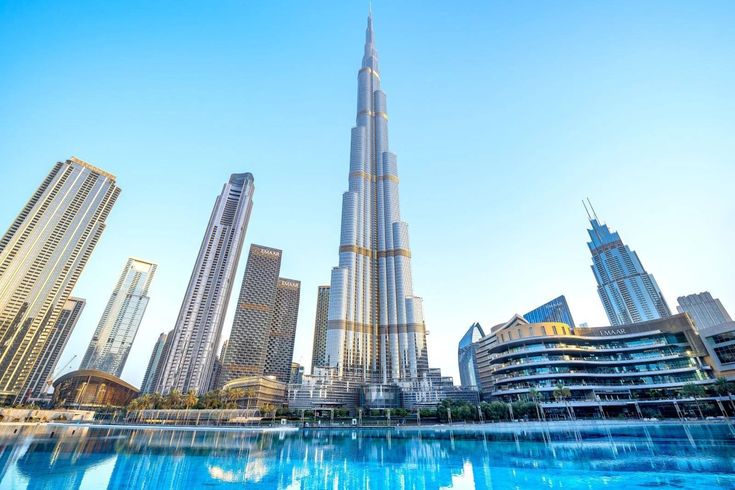
1. Burj Khalifa, Dubai, UAE (828m, 163 floors)
Reigning as the world’s tallest building since 2010, this architectural icon designed by Adrian Smith features a distinctive spire-inspired shape for wind resistance. Housing the Armani Hotel, residences, and the ‘At the Top’ observatory on levels 124-125, it attracts over 1.8 million visitors yearly, offering panoramic views up to 95km away. Its Y-shaped footprint maximises light and space.
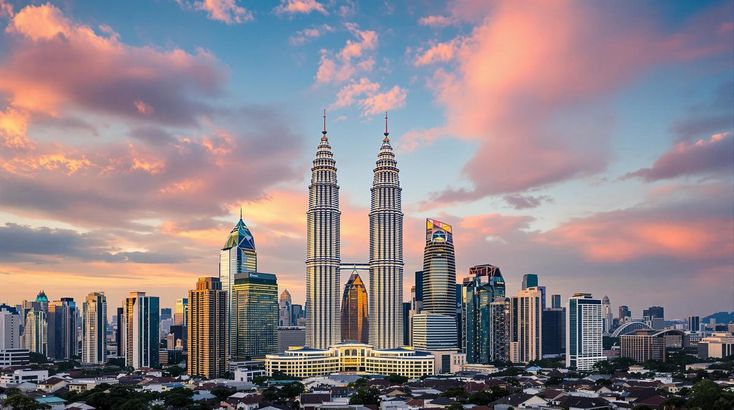
2. Merdeka 118, Kuala Lumpur, Malaysia (679m, 118 floors)
Completed in 2023, this supertall tower claims second spot with its slender, tapered design honouring Malaysia’s independence. It boasts a Park Hyatt hotel, premium offices, a shopping mall, and The View at 118 observation deck. As Southeast Asia’s tallest, it symbolises national pride and hosts luxury amenities drawing global tourists.
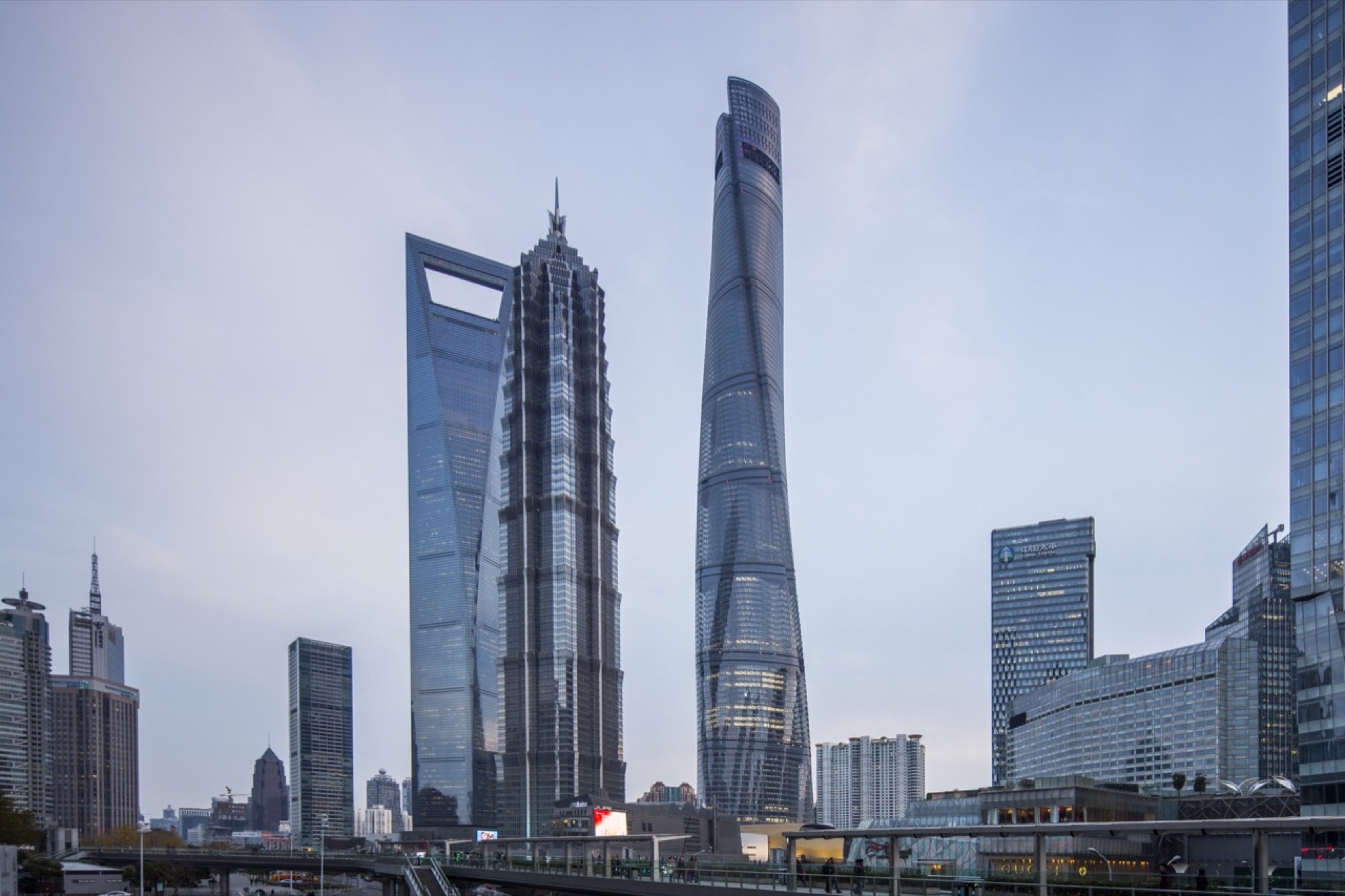
3. Shanghai Tower, Shanghai, China (632m, 128 floors)
China’s tallest completed skyscraper, finished in 2015, twists 120 degrees over its height to reduce wind loads. Featuring the J Hotel, offices, and multiple observatories up to the 121st floor, its double-skin facade generates renewable energy. Visitors love the high-speed elevators reaching 20.5m/s.
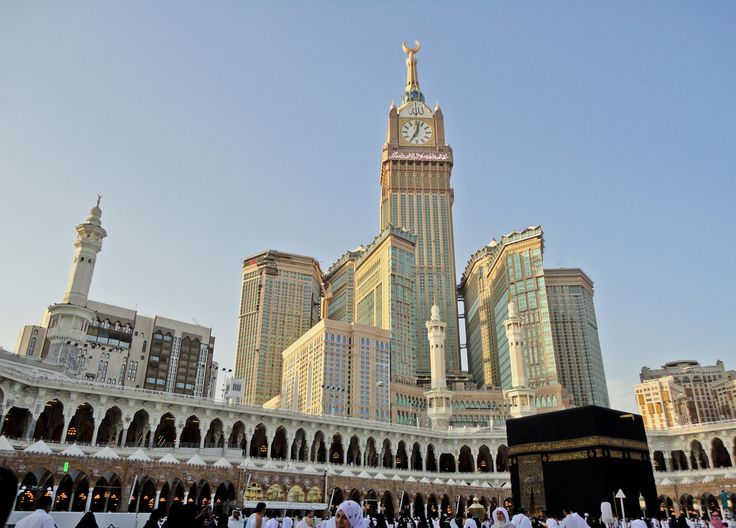
4. Makkah Royal Clock Tower (Abraj Al-Bait), Mecca, Saudi Arabia (601m, 120 floors)
Part of a hotel complex near the Grand Mosque, this 2012 tower sports the world’s largest clock faces, visible 30km away. Primarily a luxury hotel with prayer facilities, its golden crescent-topped spire aids pilgrims during Hajj, blending faith and grandeur in Islamic architecture.
5. Ping An Finance Centre, Shenzhen, China (599m, 115 floors)
Opened in 2017, this sleek tower houses offices, a Ritz-Carlton hotel, and retail spaces across 118 floors (including basements). Its curved form minimises wind sway, while the observation deck offers Shenzhen skyline views. A hub for finance pros, it exemplifies China’s skyscraper boom.
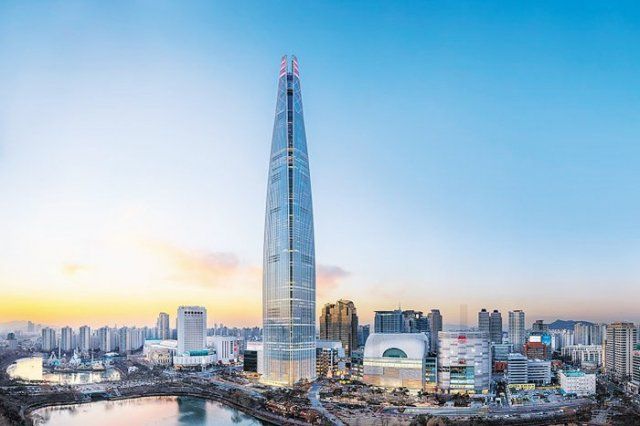
6. Lotte World Tower, Seoul, South Korea (555m, 123 floors)
Seoul’s tallest at 554.5m since 2017, it features Seoul Sky observatory on floors 117-123, a Signiel Hotel, and offices. With 21,000 windows and anti-sway tech, it withstood earthquakes. The indoor theme park below adds family appeal to this mixed-use marvel.
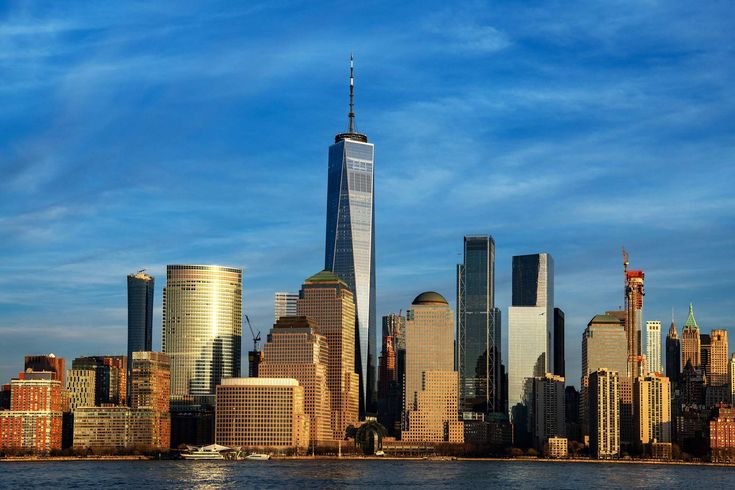
7. One World Trade Center, New York City, USA (541m, 104 floors)
Known as Freedom Tower, completed in 2014 to 1,776 feet (symbolising US Independence), it includes offices, the One World Observatory, and a memorial museum. Its fortified base and spire ensure safety, making it a resilient symbol of New York’s spirit.
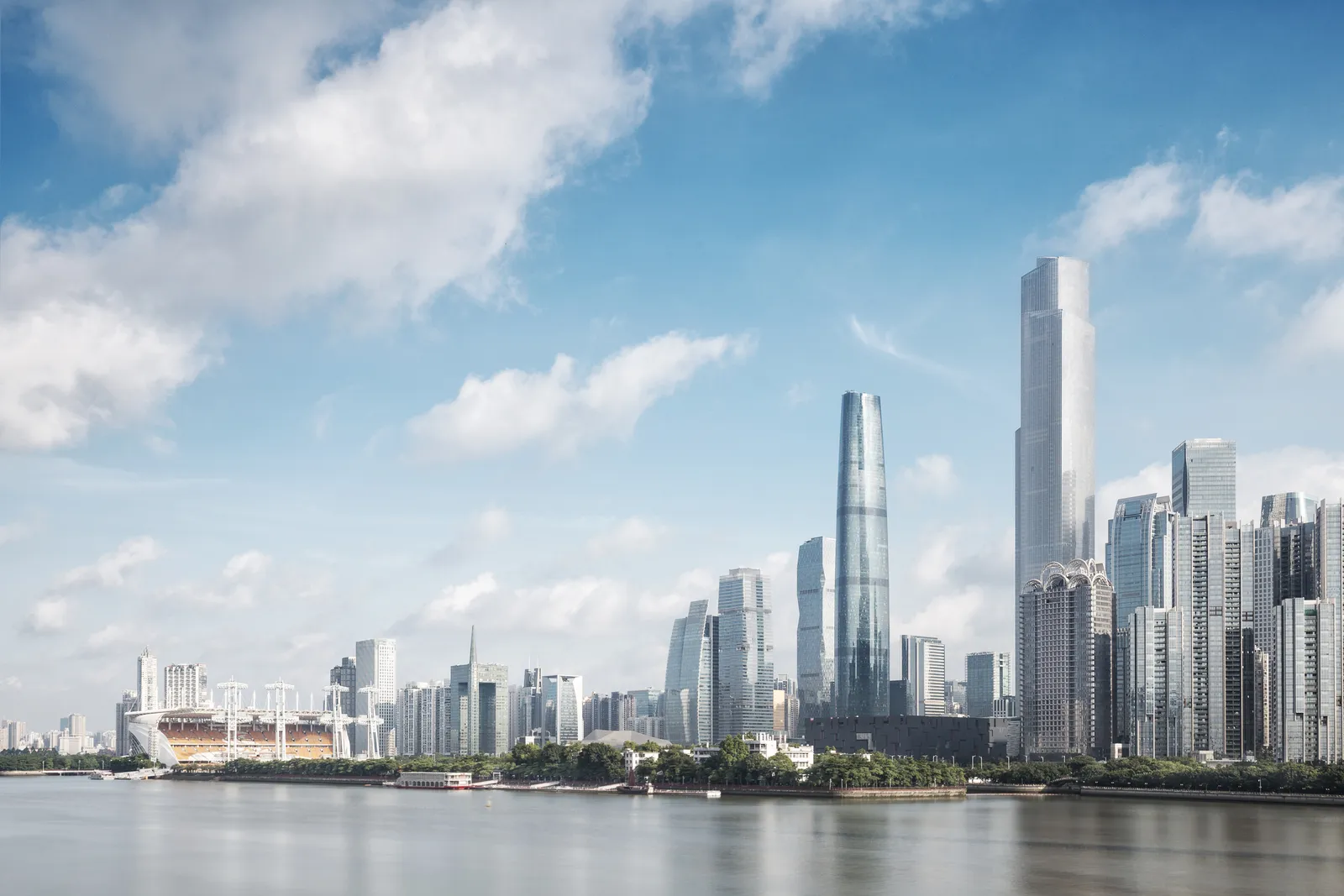
8. Guangzhou CTF Finance Centre, Guangzhou, China (530m, 111 floors)
This 2016 tower mixes offices, apartments, a hotel, and mall in a podium base. Efficient design allows higher ceilings despite tied height with Tianjin, serving as a business epicentre with luxury residences atop.
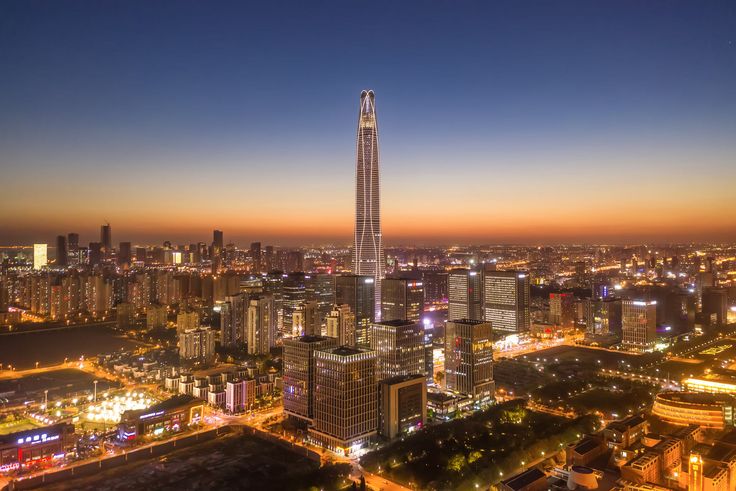
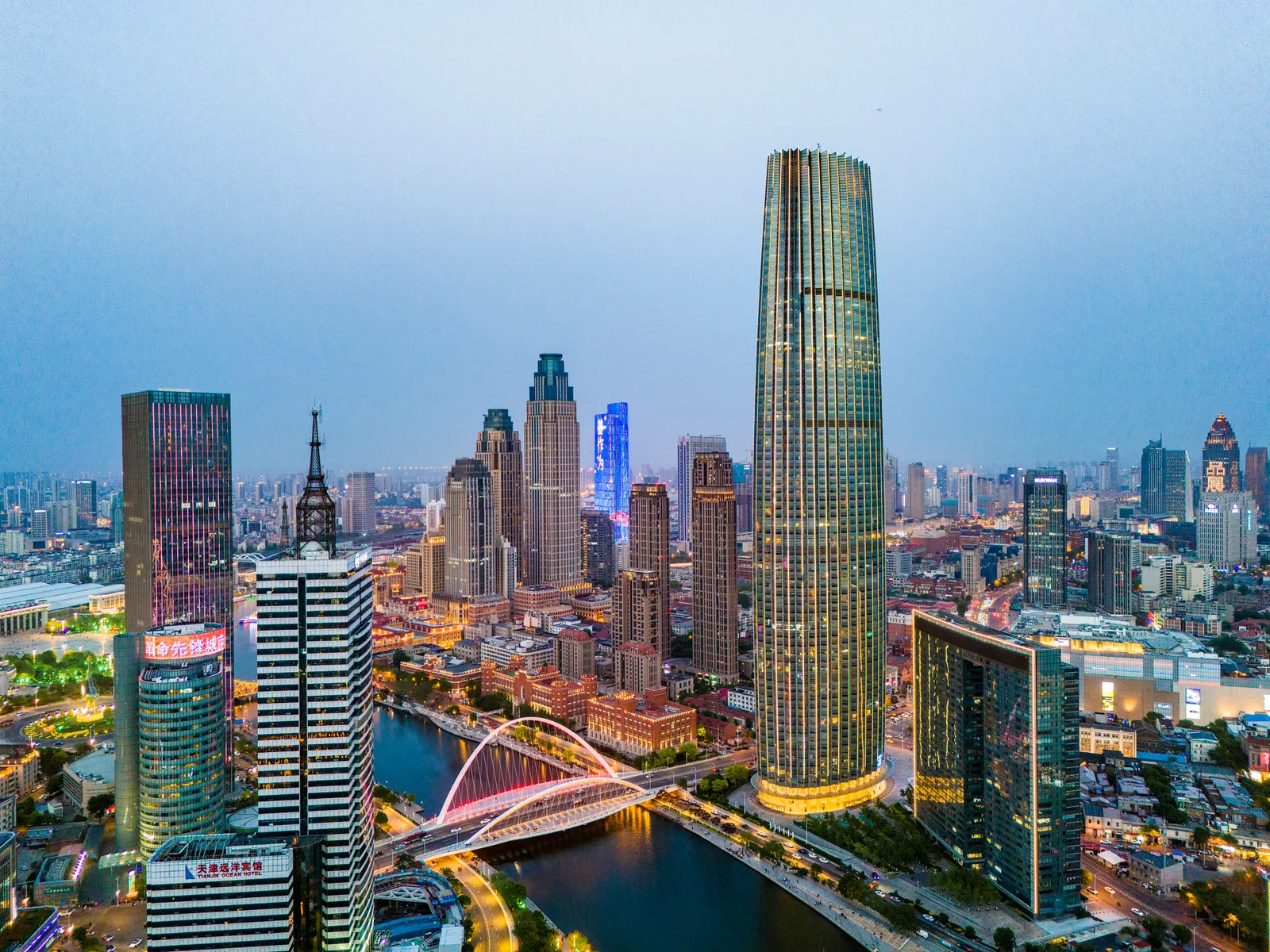
9. Tianjin CTF Finance Centre, Tianjin, China (530m, 97 floors)
Topped out in 2019, this supertall prioritises structural efficiency with taller floors for offices, hotel, and retail. Fewer storeys than peers due to spacious interiors, it anchors Tianjin’s skyline as a mixed-use powerhouse.
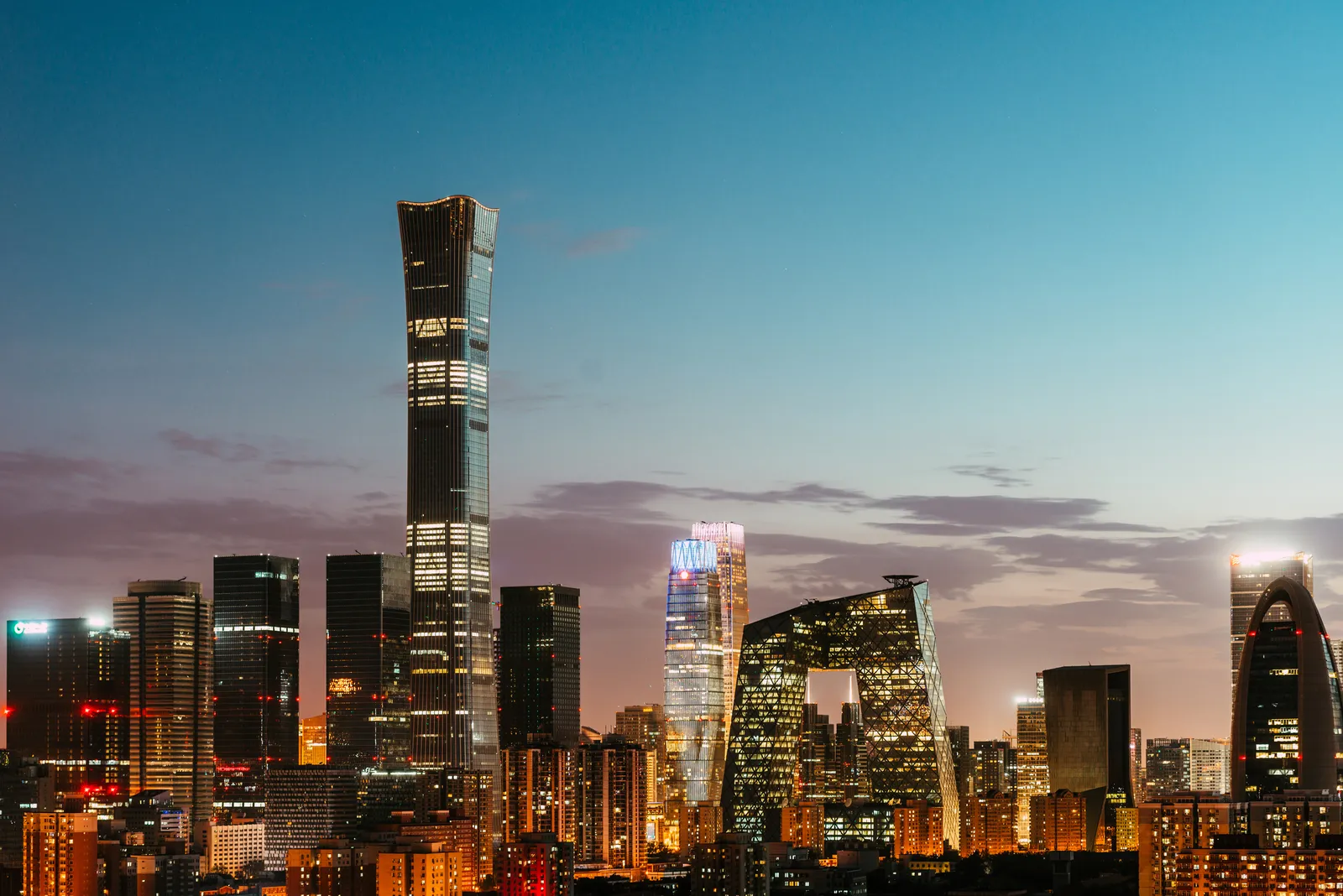
10. CITIC Tower (China Zun), Beijing, China (528m, 109 floors)
Inspired by ancient Chinese vessels, this 2018 office tower features an observation deck on upper floors and business clubs. With 7 zones divided by mechanical levels, it embodies Beijing’s fusion of heritage and modernity in the CBD.
These top 10 tallest buildings in the world showcase engineering triumphs that inspire awe and innovation. Whether you’re a travel enthusiast or architecture buff, visiting one promises an unforgettable thrill amid soaring heights and stunning designs.

Comments are closed.