
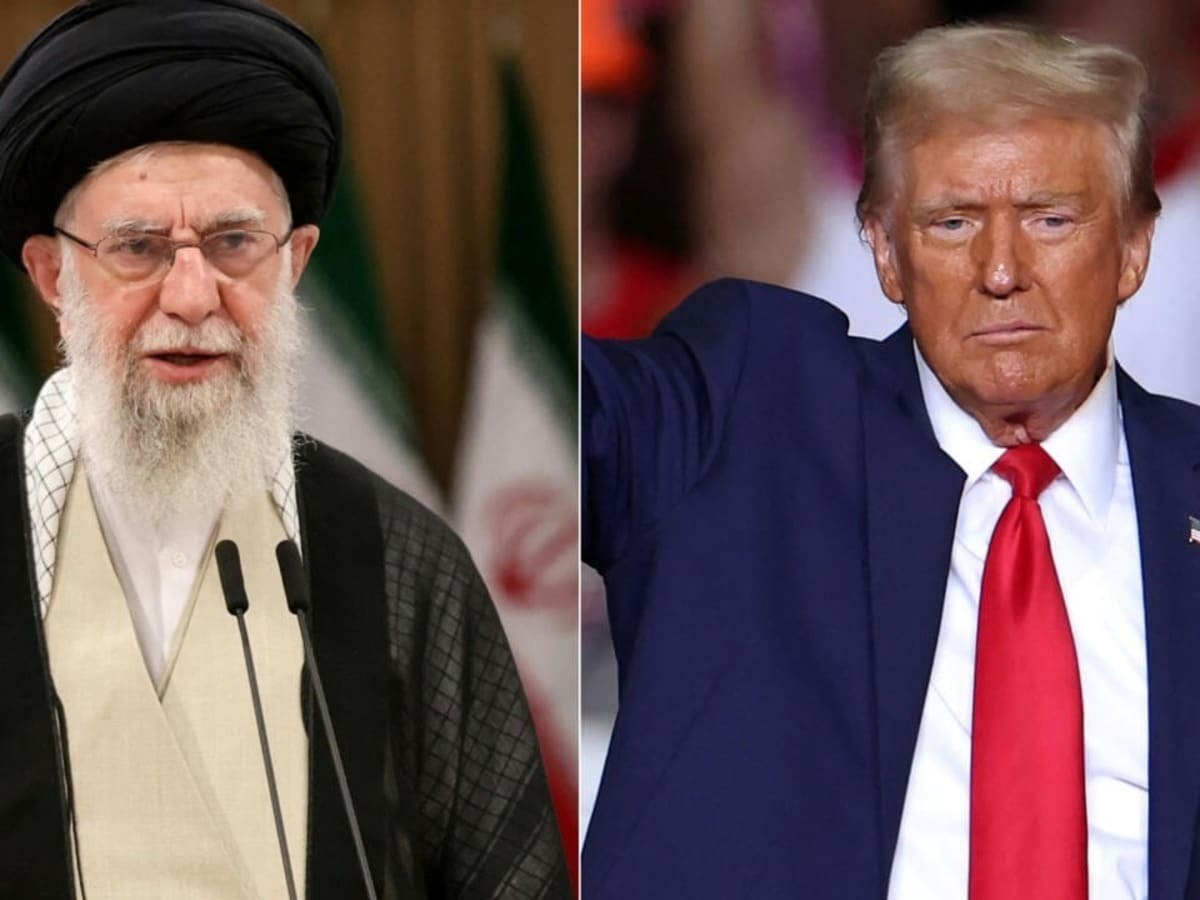
Sound of a great war in the Middle East? Israel scared of Trump’s military threat, America-Iran meeting to be held in Geneva

News India Live, Digital Desk: US President Donald Trump has once again warned Iran in a strong tone. Just before the second round of nuclear talks to be held in Geneva on Tuesday (17 February 2026), Trump has said that if Iran is not ready for an agreement this time, the consequences will be “very traumatic”. This statement of Trump has increased the concerns of not only Iran but also Israel. Geneva talks: What is Trump’s ‘final ultimatum’? This talk being mediated by Oman is being considered as the last chance to resolve the decades-long dispute. Trump’s condition: America wants Iran not only to completely stop its nuclear program, but also to stop its ballistic missile capability and the help it provides to regional proxy groups (Hezbollah, Hamas). Military pressure: Along with the warning, Trump has ordered to send the world’s largest aircraft carrier USS Gerald R. Ford to the Middle East. This, along with the USS Abraham Lincoln already present in the region, will put pressure on Iran. The truth behind Israel’s nervousness: Israeli Prime Minister Benjamin Netanyahu recently met Trump in Washington. Israel’s fear is that if there is a “weak deal” between Trump and Iran, it will allow Iran to become more powerful in the future. On the other hand, if the talks fail and Trump chooses the path of direct military action, Israel will face the greatest threat of direct missile attacks from Hezbollah and Iran. Iran’s counterattack: “Will not bow to threats.” Iranian Foreign Minister Abbas Araghchi, who has reached Geneva, has made it clear that Iran is ready for a “just agreement”, but any kind of pressure or surrender is not on the table. Meanwhile, Iran’s Revolutionary Guards (IRGC) has started military exercises in the Strait of Hormuz, which is being seen as a direct message to America. What is the fear of ‘Phase-2’? According to experts, if the Geneva talks fail, Trump may adopt ‘Phase 2’ strategy. This could include: Reducing Iran’s oil exports to zero. Limited but devastating attacks on nuclear sites. Open support for regime change efforts within Iran.

Comments are closed.