
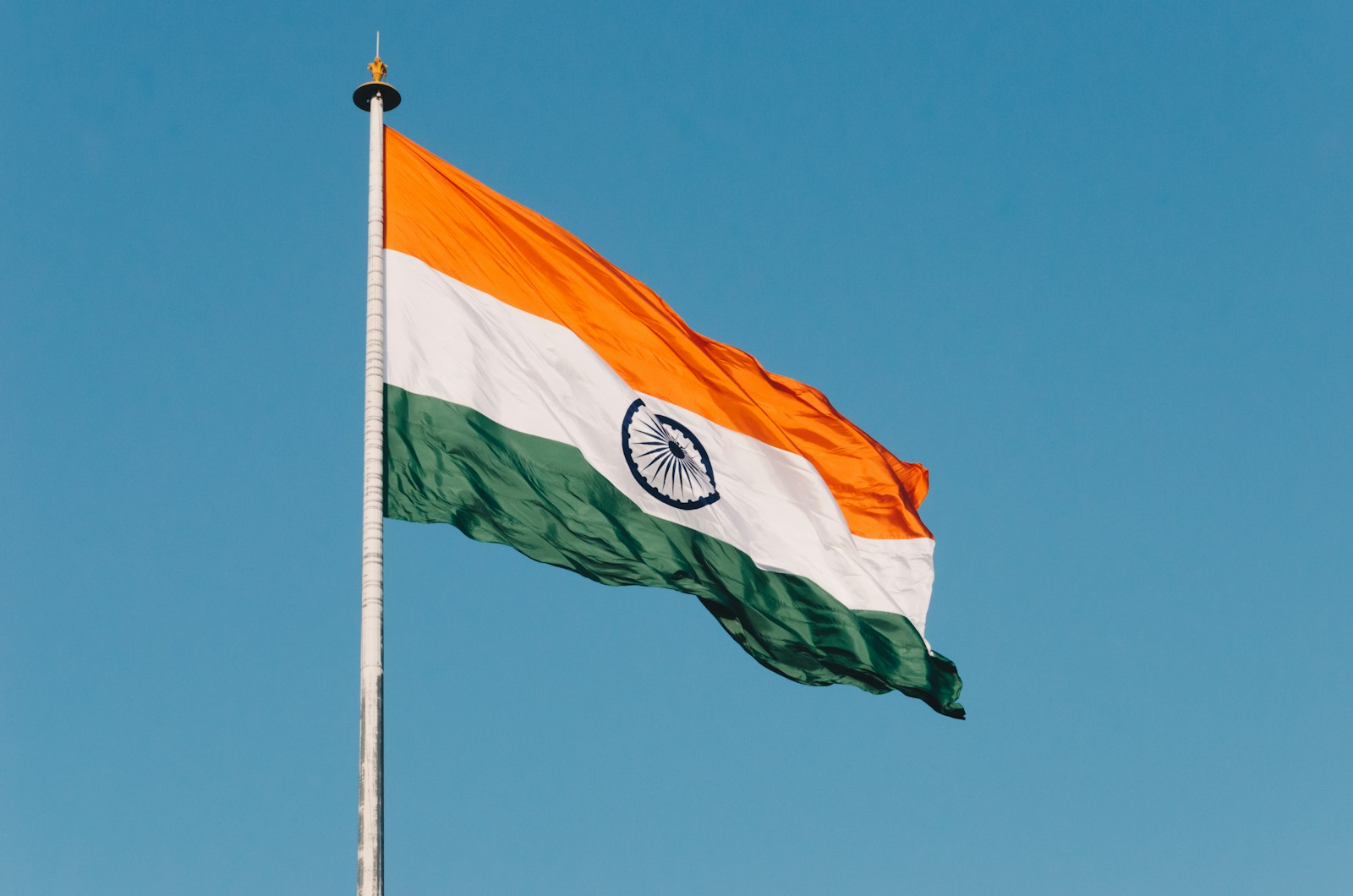

India’s rise in 2026 is not unfolding in the traditional mold of 20th century superpowers. Rather than building rigid alliance systems or projecting dominance through military blocs, New Delhi is advancing a distinctly modern strategy rooted in strategic autonomy, multi alignment, and economic leverage. As the global order becomes increasingly multipolar, India is positioning itself not as a junior partner to any camp, but as a central pillar shaping the balance between them.

The Economic Engine Powering India’s Rise
India is currently the world’s fastest growing major economy and is projected to contribute a significant share of global real GDP growth in 2026, outpacing several advanced economies. This momentum is not accidental. Through flagship initiatives such as Make in India and the Production Linked Incentive scheme, the country is aggressively courting global manufacturers seeking a “China plus one” strategy. Electronics, mobile manufacturing, and semiconductor assembly have become focal points of this shift.
Trade liberalization has also accelerated. India has signed comprehensive agreements with the UAE, Australia, and the European Free Trade Association, while negotiations continue with the United Kingdom and the European Union. These deals are designed to integrate India more deeply into global value chains while opening European and Indo Pacific markets to Indian exports.
At the same time, infrastructure investment is reaching historic levels. Mega projects such as the proposed Great Nicobar transshipment port are intended to reposition India as a maritime logistics hub capable of handling global shipping traffic that currently flows through Singapore or Colombo. Ports, highways, freight corridors, and digital connectivity projects collectively form the backbone of India’s long term economic transformation.

Digital Public Infrastructure and the Technology Leap
Perhaps India’s most distinctive superpower trait lies in its Digital Public Infrastructure model, widely known as the India Stack. Built on platforms such as Aadhaar, UPI, and digital identity systems, India Stack has enabled hundreds of millions of citizens to access banking, payments, and public services. It has also become a blueprint studied by other developing nations.
India is now extending that model into artificial intelligence. Under the IndiaAI Mission, the government is investing in sovereign AI models, expanding GPU infrastructure, and committing to train over one million AI professionals. The objective is clear: India does not want to remain dependent on foreign AI ecosystems but instead seeks to build domestic capacity that aligns with national priorities.
Semiconductor ambitions are another crucial pillar. India is moving beyond chip design into manufacturing, with multiple fabrication and packaging units expected to come online in the near term. Meanwhile, the country’s space program continues to deliver symbolic and strategic victories. Following the success of Chandrayaan-3, India has reinforced its reputation for low cost, high reliability missions, positioning itself as a competitive player in the global satellite launch market.
Geopolitics: Strategic Autonomy in a Multipolar Era
India’s geopolitical doctrine in 2026 can best be described as pragmatic interest driven diplomacy. It maintains strong defense cooperation with the United States while continuing energy trade with Russia and engaging actively within BRICS. This balancing act underscores India’s refusal to be drawn exclusively into any single geopolitical bloc.
In maritime strategy, the MAHASAGAR vision reflects India’s intention to act as the primary security provider in the Indian Ocean region. As global shipping routes and naval deployments become more contested, control and influence over sea lanes are central to India’s long term strategic calculus.
Soft power remains an underappreciated asset. India leverages vaccine diplomacy, global yoga outreach, Bollywood cinema, and a diaspora of more than 30 million people worldwide to shape perceptions and partnerships. Cultural influence, combined with economic and technological outreach, strengthens its claim to leadership within the Global South.
The Fault Lines That Could Slow the Ascent
Despite impressive momentum, structural challenges remain significant. Bureaucratic delays and regulatory complexity can deter foreign investors who require speed and predictability. Youth unemployment presents another pressing concern, as India must generate millions of jobs annually to harness its demographic dividend.
Energy dependency is a strategic vulnerability. Importing more than 80 percent of its oil exposes India to global price volatility and geopolitical shocks. Border tensions with China and ongoing friction with Pakistan also demand sustained military readiness, diverting resources that could otherwise accelerate development.


A Different Kind of Superpower
India’s path to superpower status is not defined by aircraft carriers alone, nor by ideological blocs. It is being shaped by economic dynamism, digital infrastructure innovation, technological ambition, and a calibrated foreign policy rooted in autonomy. In a world increasingly defined by great power competition and fractured alliances, India’s strategy reflects a new model of influence.
Whether New Delhi can overcome its internal constraints while sustaining growth and cohesion will determine how quickly this superpower moment fully materializes. What is clear in 2026 is that India is no longer merely a regional power. It is an indispensable actor in the emerging global order.

Comments are closed.