

Ash Wednesday 2026: Biblical roots, significance of ash and why it is observed 40 days before easter

New Delhi: Ash Wednesday 2026 falls on 18 February, quietly opening a powerful season of reflection, repentance and renewal for Christians across the world. You might have seen people walking around with a smudge of ash on their foreheads and wondered what it really means, why it always arrives weeks before Easter, or why it still matters in a busy, modern world. This gentle yet striking tradition marks the doorway into Lent – a time to slow down, reset spiritually, and prepare the heart for the joy of Easter. If you’ve ever been curious about the story, symbolism and rituals behind Ash Wednesday, this guide is for you.
In 2026, Ash Wednesday comes as a mid‑week pause – right after the fun of Carnival or Mardi Gras, and right before the long spiritual workout of Lent officially begins. Think of it as a holy reset button: quiet, simple, and incredibly meaningful. Before we dive into the deeper history, significance and Catholic traditions, let’s gently walk through the basics so that even if you’re hearing about it for the very first time, you’ll feel completely at home by the end of this blog.
History of Ash Wednesday
Ash Wednesday is one of the most recognisable days in the Christian calendar, but its roots go back long before the early Church, into ancient Jewish customs of mourning, repentance and humility. In the Old Testament, people would sit in sackcloth and ashes to show sorrow for their sins or grief, using ashes as a visible sign that they were turning back to God with sincere hearts. This powerful image of dust and ashes travelled into Christian practice, gradually evolving into a specific day that marked the beginning of a serious season of repentance.
The more formal shape of Ash Wednesday as we know it began to emerge around the early medieval period, roughly from the 8th century onwards in Western Europe. At first, ashes were placed mainly on public penitents – people who had committed grave sins and were beginning a public journey of penance. Over time, the Church extended this practice to all believers, underlining the idea that every person needs conversion, mercy and a fresh start. By around the 10th–11th centuries, the “Day of Ashes” was widely observed across Western Christianity, complete with the blessing of ashes made from burned Palm Sunday branches from the previous year.
Why Ash Wednesday matters and why it’s 40 days before Easter
Ash Wednesday is the official doorway into Lent – a season of roughly forty days of fasting, prayer and almsgiving that leads up to Easter. The number forty is deeply symbolic in the Bible: it calls to mind Israel’s forty years in the desert and, most importantly, Christ’s forty days of fasting and temptation in the wilderness. The Church invites believers to mirror this pattern in a small way, using Lent as a spiritual “desert” to strip away distractions and refocus on God.
You might notice that if you count the calendar days from Ash Wednesday to Easter, you get more than forty. That’s because Lent counts forty fasting days but does not include Sundays, which are always considered little celebrations of the Resurrection. Ash Wednesday lands 46 days before Easter Sunday, giving space for forty weekdays of penance and six Sundays of joy woven through them.
The ashes themselves carry several layers of meaning. They are a reminder of human mortality. They also symbolise sorrow for sin and the desire for conversion, almost like wearing your heart on your forehead for a day. Although the tone is serious, the day is ultimately about hope: Christians do not stay in the ashes, but move through Lent towards the celebration of Christ’s Resurrection at Easter.
How Catholics celebrate Ash Wednesday
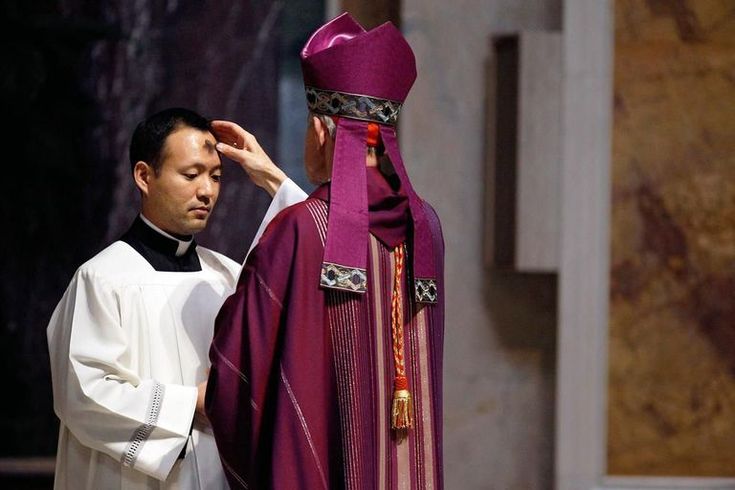
If you walk into a Catholic church on Ash Wednesday, you’ll notice an atmosphere that is both simple and intense. There is usually a Mass or a special service that includes readings about repentance and mercy, a homily that calls people back to God, and, at the heart of it all, the blessing and distribution of ashes. The ashes, often made from last year’s Palm Sunday branches, are blessed and then traced in the sign of the cross on each person’s forehead.

As the priest or minister places the ashes, they may say words such as “Remember that you are dust, and to dust you shall return” or “Repent, and believe in the Gospel.” Catholics typically wear the ashes throughout the day as an outward sign of an inward commitment to change. It’s common to see people going about their normal routines – in offices, on public transport, at schools – with a cross-shaped smudge, quietly witnessing to their faith and the start of Lent.
Catholic practice on Ash Wednesday also includes fasting and abstinence from meat for those who are able, according to age and health guidelines laid down by the Church. In many places, adults eat just one full meal and two smaller meals that together don’t equal a full meal, and they avoid meat entirely for the day. Alongside this, believers are encouraged to begin or renew Lenten resolutions – perhaps giving up certain foods or habits, increasing prayer time, or focusing on acts of charity. Together, these practices turn Ash Wednesday into a kind of spiritual boot camp warm‑up: challenging but deeply grounding.
Meaningful Ash Wednesday quotes
“Remember that you are dust, and to dust you shall return.” – Traditional Ash Wednesday words, rooted in the book of Genesis.
“Repent, and believe in the Gospel.” – Words used in the liturgy, echoing Jesus’ preaching at the very start of his public ministry.
“Ash Wednesday marks the beginning of Lent, the time when Holy Mother Church reminds her children to clean their souls before the Easter feast.” – A reflection linking ashes with spiritual cleansing.
Ashes are described as “an outward sign of our sinfulness and need for penance” and a reminder that our bodies will one day return to dust.
Ash Wednesday 2026 invites you to pause in the middle of an ordinary week, receive a simple cross of ashes, and begin a forty‑day journey that gently prepares your heart for the joy and light of Easter. This ancient practice offers a powerful reminder that from dust, grace can raise something beautifully new.

Comments are closed.