

New Delhi: Most of us try to snack better. We swap chips for granola bars, biscuits for fruit bowls, sugary drinks for smoothies. On the surface, these choices look healthy—and often, they are marketed that way. But from an endocrine perspective, some “healthy” snacks quietly push the body into a stress response without us realising it. Stress hormones like cortisol don’t rise only because of emotional pressure. They also react sharply to what—and how—we eat.
Dr Prudwiraj Sanamandra, Consultant – Endocrinologist and Diabetologist, Arete Hospitals, listed some common snacks that may look harmless but can quietly stress your hormonal system.
- Flavoured yogurt and “low-fat” dairy cups: Yogurt is widely considered a gut-friendly snack, and plain versions can be. The problem lies with flavoured or low-fat varieties. These often contain added sugars, fruit concentrates, or artificial sweeteners. Eaten on an empty stomach or as a standalone snack, they can lead to a rapid spike in blood sugar, followed soon after by a sharp dip. To counter this drop, the body releases cortisol in an attempt to keep energy levels steady. Over time, repeated spikes like this can leave people feeling jittery, hungry soon after eating, or oddly fatigued.
- Granola bars and energy bars: Granola bars are widely seen as a healthy choice, but many function more like desserts than true snacks. They’re typically made with refined oats, syrups, dried fruits, and added sweeteners that the body absorbs very quickly. This creates a blood sugar surge that the pancreas has to manage quickly. When insulin overshoots, cortisol steps in as a backup hormone to prevent blood sugar from crashing. What people notice instead is increased cravings, irritability, or a sudden energy slump—classic signs of hormonal stress rather than lack of willpower.
- Smoothies that are mostly fruit: Smoothies are frequently recommended as a “clean” snack, but not all smoothies are equal. When a drink is dominated by fruits, fruit juices, or dates—with little protein or fat—it behaves more like sugar than a meal. When calories come in liquid form, the body absorbs them far more quickly than solid foods. As a result, sugar reaches the bloodstream at speed, and the hormonal system steps in, using stress hormones to steady the sudden shift. Ironically, people who rely on fruit-heavy smoothies often report feeling hungry again within an hour.
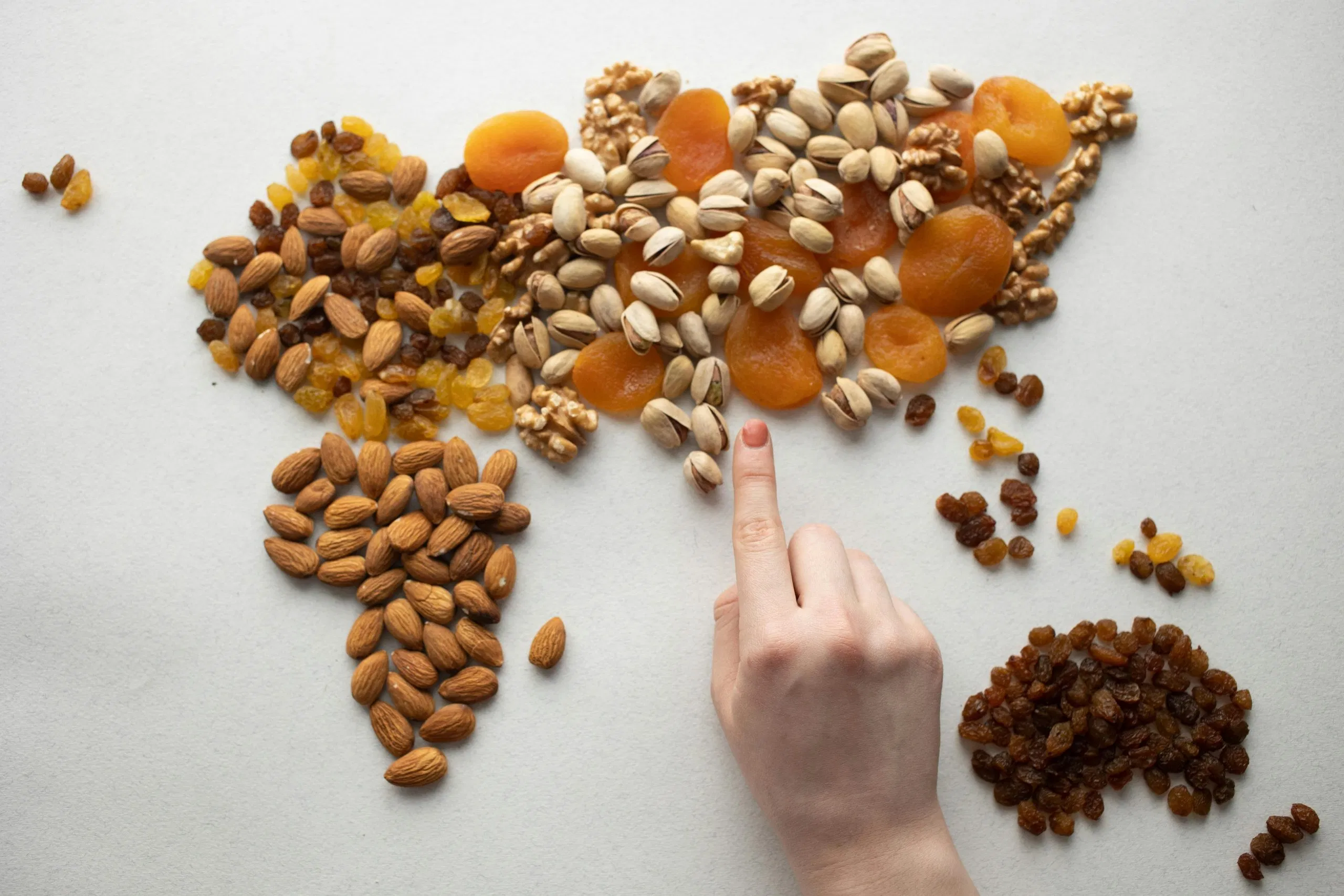
- Dry fruits eaten in isolation: Almonds, cashews, raisins, and dates are nutritious—but portion and context matter. Dried fruits are calorie-dense and, in the case of raisins and dates, high in natural sugars. Eaten alone as a quick snack, especially during long gaps between meals, they can raise blood sugar sharply. Without protein or fat to slow absorption, cortisol may rise to manage the fluctuation. This doesn’t mean dry fruits are unhealthy—it means they work best when paired thoughtfully.
- Coffee as a “snack replacement”: Many people skip snacks altogether and rely on coffee or green tea to get through the day. From an endocrine viewpoint, this is one of the fastest ways to elevate cortisol. Caffeine acts directly on the adrenal glands. Taken on an empty stomach—particularly when someone is already tired or under pressure—it can push the body into a constant state of alertness. Over time, this pattern may worsen anxiety, disrupt sleep cycles, and interfere with insulin sensitivity.
What actually supports hormonal calm?
A hormone-friendly snack keeps blood sugar steady. That usually means a combination of protein, healthy fat, and slow-digesting carbohydrates. Simple examples include
- Fruit paired with nuts or yogurt
- Boiled eggs with a slice of toast
- Paneer or hummus with vegetables
- A handful of nuts with a small piece of fruit
These combinations reduce the need for cortisol to “rescue” blood sugar levels.
The bigger picture
Hormonal stress doesn’t always feel dramatic. Often, it shows up quietly—as fatigue, cravings, poor sleep, or feeling “wired but tired.” Food choices play a bigger role than most people realise. Eating well isn’t just about calories or labels. It’s about how food speaks to your hormones. And sometimes, the most important change is not what you eat—but how balanced your snack really is.

Comments are closed.