
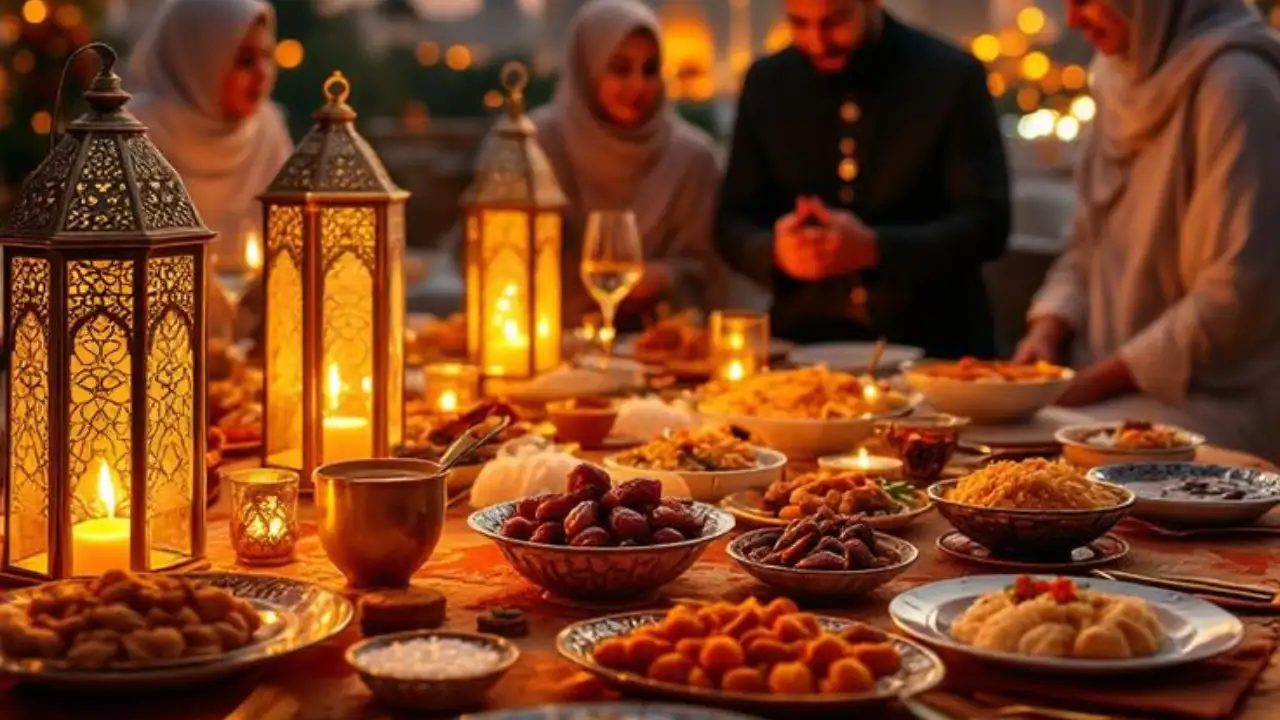

holy month of ramadan
New Delhi: This holy month of Ramadan brings new hope and spiritual energy every year. Taraweeh prayers have started in mosques, the splendor of dates and Sehri items has increased in the markets, and preparations for Iftar are in full swing in homes. Today, the first Roza is being observed after moon sighting in India. But many people want to know what is the real Roza? Is it enough to just keep the stomach empty, or is there a deeper purpose behind it?
Right time and beginning of fasting
The fast begins with Sehri before Fajr Azaan and ends with Iftar at Maghrib. Today Sehri time in Delhi is around 5:36 pm and Iftar will be around 6:15 pm. Nutritious and light food should be taken during Sehri so that energy remains throughout the day. It is Sunnah to start Iftar with dates and water. Sitting and praying with the family makes this moment even more special. Fasting at the right time increases its strength.
On whom is fasting obligatory and exempted?
It is mandatory for every adult, conscious and healthy Muslim to fast in Ramadan. Sick, travelling, pregnant or lactating women, and menstruating women can be exempted from this duty. Later she can perform qadha. This exemption is a mercy from Allah so that no one falls into difficulty. Fasting is not only a duty but also an opportunity for self-improvement.
what things break the fast
Intentionally eating, drinking, smoking or having marital relations breaks the fast and Kaffarah may also be required for this. But lying, getting angry or hurting someone also harms the soul of the fasting person. Elders often say that one should fast one’s tongue, eyes and heart. True fasting is that which purifies not only the stomach but the entire existence.
Challenges and benefits of fasting
Some difficulty may be felt on the first day, especially when the days are long. But soon the body and mind become accustomed to this pattern. Many people believe that fasting brings mental peace and strengthens the resolve. Even working people can handle it easily. Fasting teaches us to understand the pain of the poor through hunger and makes a person compassionate.
Importance of social unity and charity
The tradition of giving Sadaka and Zakat continues in full swing during Ramadan. Mass iftars are organized in mosques, where rich and poor sit together. This presents a beautiful picture of equality. Roza is not only a personal prayer, but also a means of connecting and helping the society. In this month, an example of humanity is set through restraint and charity.

Comments are closed.