
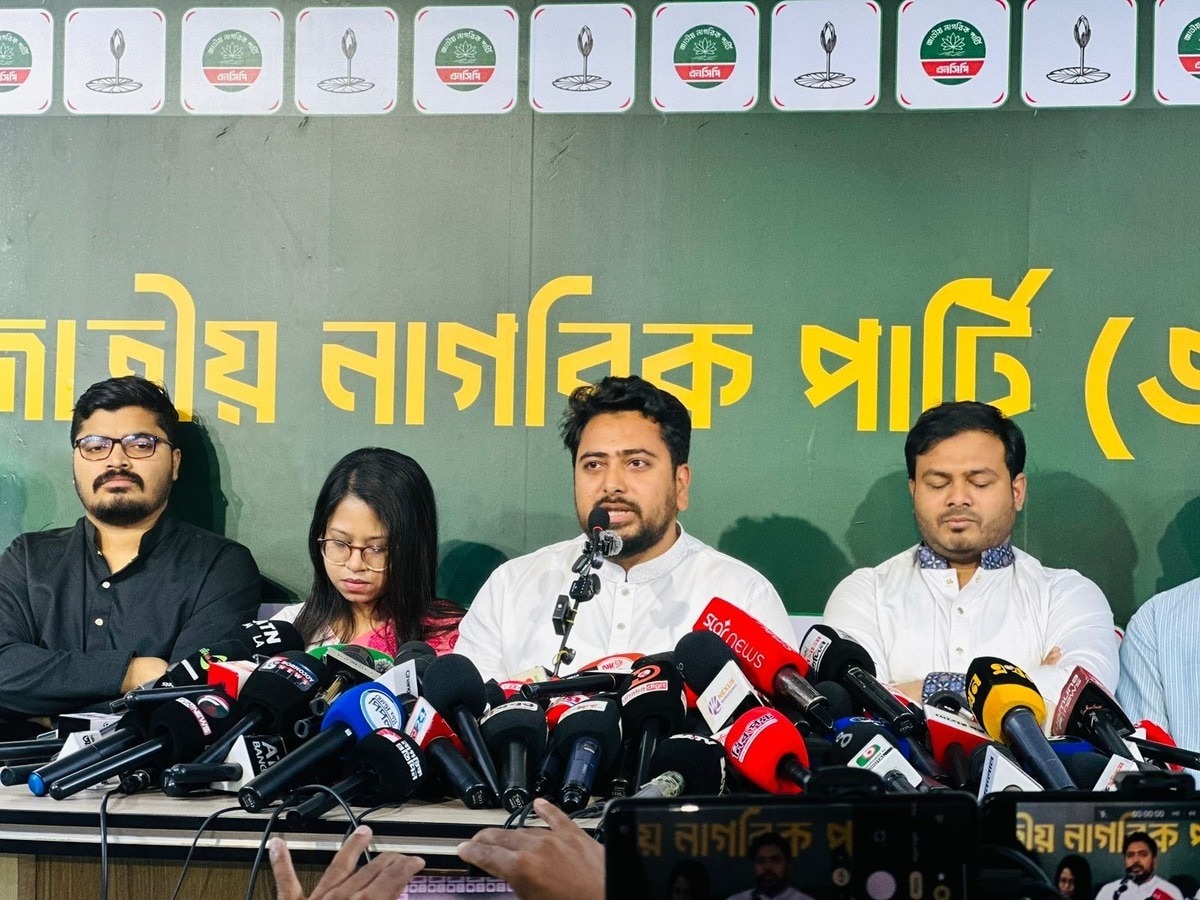

Just three days into his term, Bangladesh’s new Prime Minister, Tariq Rahmanis finding out that the crown is indeed heavy. While many expected a period of calm after the recent general elections, a new storm is brewing and this time, it’s coming from within the very movement that paved the way for change.
The supporters of Nobel laureate Mohammad Yunusspecifically the student leaders who led the July 2024 protests, are not happy. Here’s why the streets of Dhaka might be getting heated again.
The “India” Factor
The biggest bone of contention? India. Under the previous interim government led by Mohammad Yunus, relations with India were visibly strained. Yunus leaned closer to Pakistan and was vocal in his criticism of Indian policies.
However, as soon as Tarique Rahman took over, he signaled a shift toward mending ties with New Delhi. For the hardline supporters of the Yunus era, this feels like a betrayal. Nahid Islam, a key figure in the National Citizen Party and a leader of the 2024 uprising, has openly accused Rahman of “colluding” with India and Sheikh Hasina’s party, the Awami League.
The Return of the Awami League?
Another major trigger is the reopening of Awami League offices across the country. During the interim government’s rule, the party was practically banned and sidelined. Now, reports are surfacing that their offices are buzzing again in various districts.
To the student protestors who fought to remove what they called a “fascist” regime, seeing the Awami League return to the political fold is a nightmare. They’ve issued a stern warning: if the government doesn’t shut these offices down immediately, they will take matters into their own hands.
“Don’t Become Another Sheikh Hasina”
The rhetoric is getting sharp. Critics are already comparing Tarique Rahman’s BNP-led government to the old ways of Sheikh Hasina. The fear among Yunus’s followers is that the BNP might simply replace one form of “autocracy” with another, rather than bringing the “systemic change” they bled for.
They argue that if the BNP tries to bring back “Awami-style politics,” they will meet the same resistance that forced Hasina to flee the country.
What’s at Stake?
Bangladesh is at a crossroads. On one hand, the government needs to stabilize the economy and rebuild international relations (including with India). On the other hand, it faces a highly mobilized and skeptical youth population that is ready to protest at a moment’s notice.
Will Tarique Rahman be able to balance these domestic pressures while fixing a broken foreign policy? Only time will tell, but for now, the “honeymoon period” for the new PM seems to have ended before it even truly began.
Read More: Bangladesh’s New Chapter Why Tarique Rahman is Already Facing Backlash

Comments are closed.