
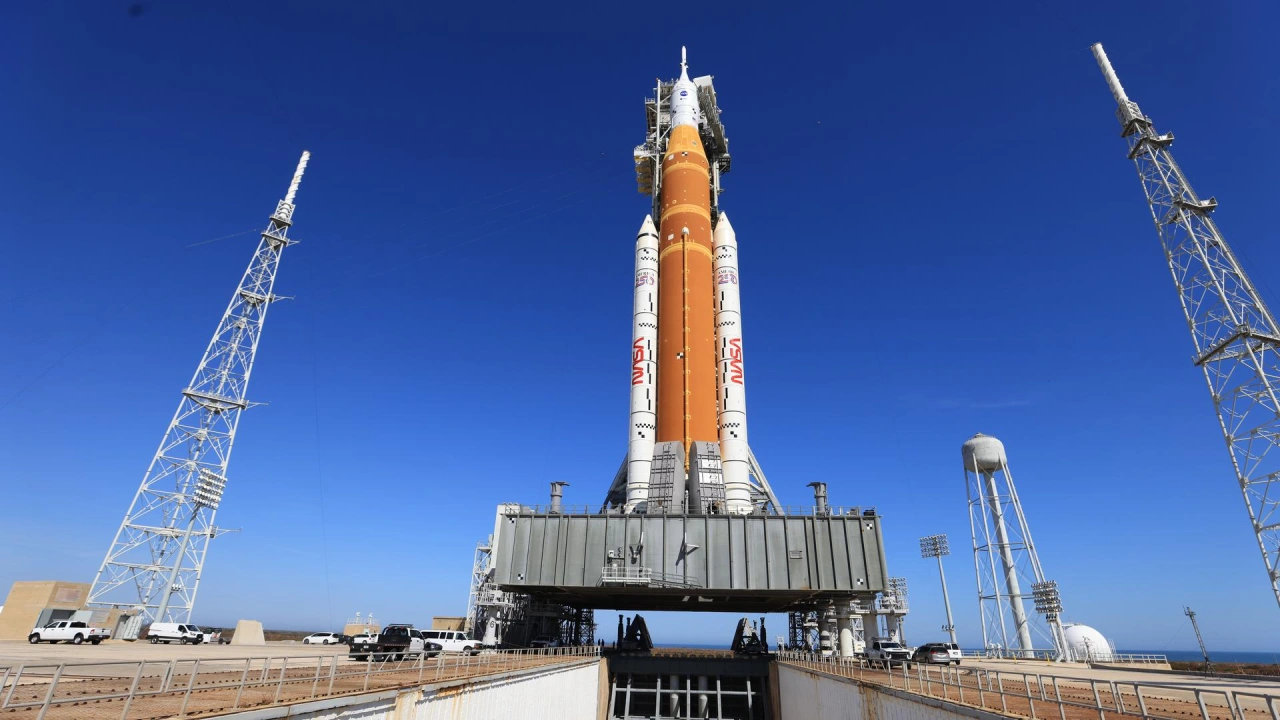

NASA has been preparing for the Artemis II rocketthe first crewed mission under its Artemis program, by conducting extensive pre-launch simulations. The most recent milestone was a second wet dress rehearsal, a comprehensive test of rocket fueling and launch procedures at Kennedy Space Center in Florida.
The engineers at this rehearsal managed to load the Space Launch System (SLS) rocket spacecraft with both liquid hydrogen and liquid oxygen, which are essential for creating the super-cold temperatures needed to achieve ignition. The test evaluates how the ground support system, launch pad functions, and rocket systems respond when actual liftoff conditions are simulated.
The second attempt successfully prevented hydrogen leaks, which had affected an earlier demonstration of the system earlier this month. During the first wet dress test at the site, the team needed to stop testing because fuel leaks occurred at the point where fuel lines connect to the rocket.
The engineers replaced seals and filters, which they believed had caused the system failure.
The rocket completed its fueling operation after the team conducted a complete rehearsal following the first leaks.
Why This Test Matters
The second rehearsal established a crucial fundamental requirement, which included:
1. Verified Fueling Hardware and Procedures
The Artemis II launch depends on the safe and complete fueling process, which requires cryogenic propellants to be loaded onto the rocket. The successful fueling with minimal leakage shows that the safety systems and seals now work according to their intended specifications.
2. Tested Simulated Countdown Operations
The teams completed multiple phases of the countdown drill, which included approaching the final seconds before launch, and they were able to recycle the clock. This demonstrates all launch day scenarios, which include dealing with delays and technical problems.
3. Enables NASA to Set a Launch Window
NASA officials established a launch window after their successful dress rehearsal while they assessed the data and prepared to announce the official launch date. The analysts predict that March 2026 will serve as a valid launch target for Artemis II after the final reviews are completed.
What Artemis II Rocket Will Do
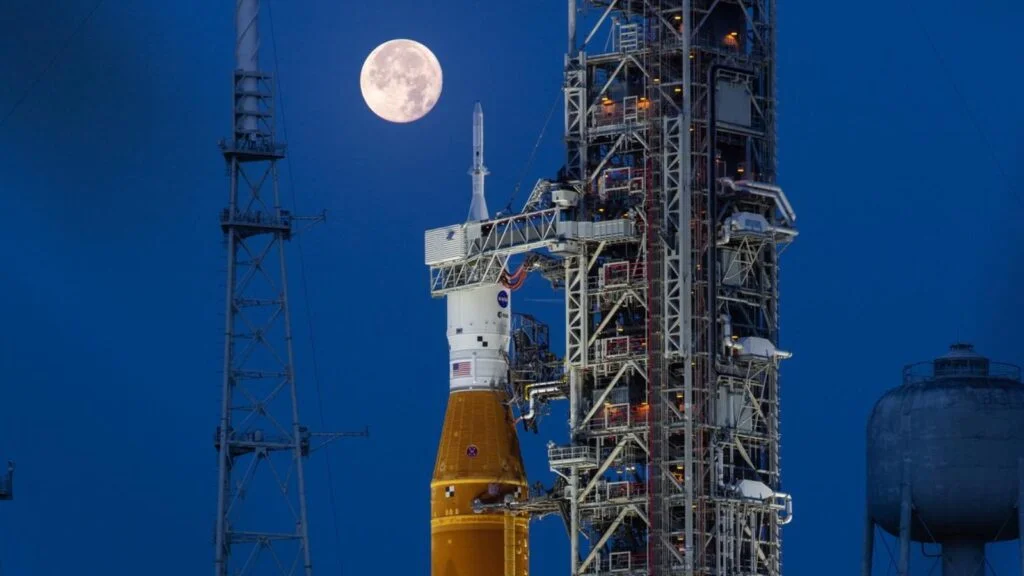
The Artemis II mission will send four crew members on a 10-day mission around the Moon after NASA establishes the launch schedule, which serves as a vital part of human space exploration.
The mission includes the following goals:
The crew will demonstrate Orion spacecraft life-support and communications systems through their operations aboard the live crew demonstration.
Astronauts will achieve the deepest space exploration since NASA’s Apollo missions by traveling beyond Earth’s orbit to a free-return path, which brings them back through a lunar flyby.
The mission will establish all necessary procedures and technologies required for future Artemis missions, which include the upcoming Artemis III mission that will achieve lunar astronaut landings.
The NASA team consists of astronauts Reid Wiseman, Victor Glover, and Christina Koch, and Canadian Space Agency astronaut Jeremy Hansen, who represent a historic international mission that will again extend human presence beyond Earth orbit.
Next Steps and Expectations
NASA will review data collected during the rehearsal and discuss the results in a press briefing scheduled soon after the test. The agency will announce a launch date after all tests pass, which might happen between March 6 and March 7 in 2026.
Astronaut pre-flight quarantine, flight-hardware checks, and final countdown rehearsals with teams on the ground will complete final preparations. These steps ensure that when the rocket does fly, it does so with the highest safety standards.
Conclusion
NASA’s successful second fueling rehearsal for the Artemis II mission represents a major stride forward in the agency’s efforts to return humans to the lunar vicinity for the first time in over half a century. NASA has shown its ability to launch because it solved technical problems, which included hydrogen leaks and validating the Space Launch System (SLS), which had caused testing delays.
The world observes the process of final analysis and the establishment of a launch date because Artemis II establishes a new road to lunar exploration and begins a new era for human spaceflight.

Comments are closed.