
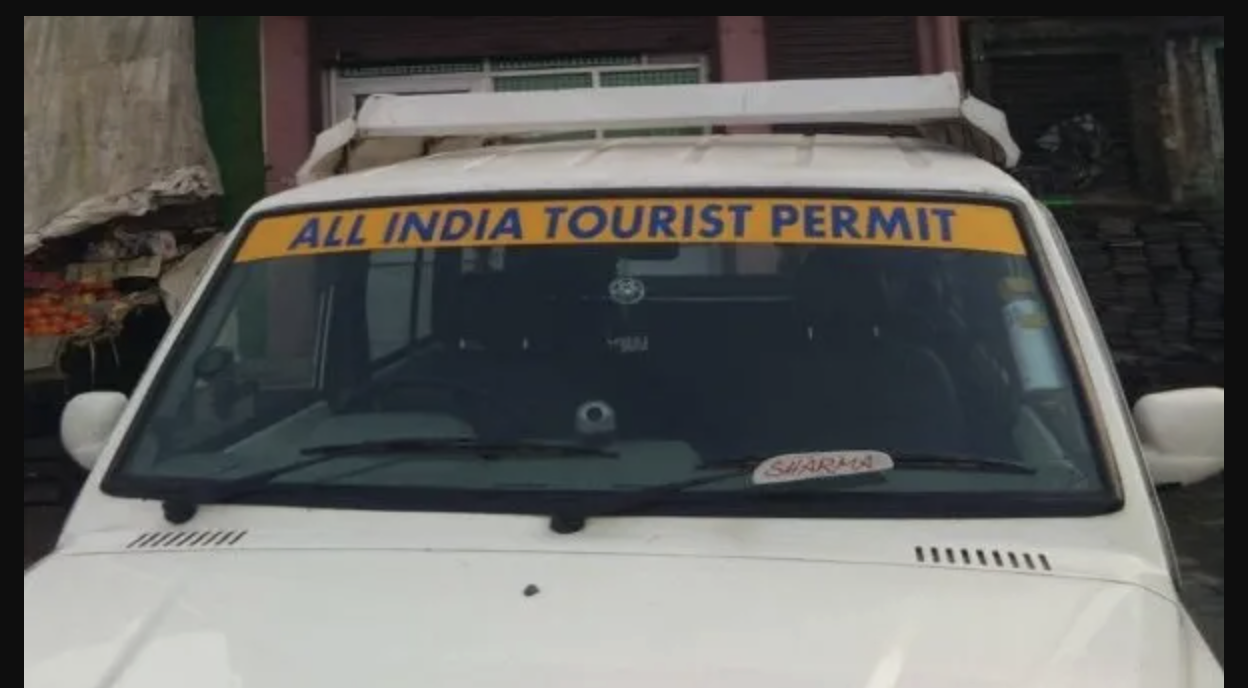

While tightening the operating conditions for vehicles running on All-India Tourist Permits, reducing the maximum continuous period they can remain outside their home state from 90 days to 60 days, this new regulation is introduced by the Ministry of Road Transport and Highways.
A New Regulation For All India Tourist Vehicles
Moving ahead, this rule is brought in through the All India Tourist Vehicles (Permit) Amendment Rules, 2026 and it requires that each trip must either originate or conclude in the vehicle’s home state and mandates stricter monitoring through tracking systems and compliance checks.
These newly introduced rules will come into effect from April 1 and are aimed at strengthening oversight of tourist vehicles and ensuring they operate strictly within the framework intended for tourism services.
Key Provisions
Let’s go through the provisions for these rules.
- Time Limit Reduced to 60 Days
The tourist vehicles with an All-India Tourist Permit (AITP) must now not remain outside their home state for more than 60 days continuously, which is reduced from the earlier 90-day limit.
Besides this, a vehicle’s journey must either start or end in the home state, and it must return before exceeding 60 days out of state.
- Mandatory Tracking & Monitoring
- Permit Conditions Expanded (introduced under a new Rule 4A):
The vehicle cannot be operated as a stage carriage (regular passenger service). Also it must not pick up or drop passengers who are not on the approved tourist list and be fitted with a vehicle location tracking device and emergency button. In addition to this, the vehicle must not have unpaid traffic challans older than 45 days (except if contested).
- No Outstanding Toll / User Fees
The home state must ensure the tourist operator has paid all unpaid user fees (e.g., tolls recorded electronically but not paid) from earlier trips, before issuing the permit.
The operators needs to carry (physically or electronically) the trip details, including origin, destination, and states on the planned route
Why These Rules?
With the introduction of these rules, the authorities wants to curb the misuse and abuse of the All India Tourist Permit system.
According to them, shortening the allowed period helps tighten oversight and reduce that misuse.
Besides this, they are also aiming to Improve Passenger Safety with better compliance with safety norms for tourist vehicles.
When vehicles are monitored frequently (every 60 days) it makes it more easier to verify that they meet safety standards, carry valid documentation, and aren’t being operated unsafely or illegally.
The home state authority must ensure that all toll fees and unpaid user fees are collected before issuing the permit.
Image Source

Comments are closed.