
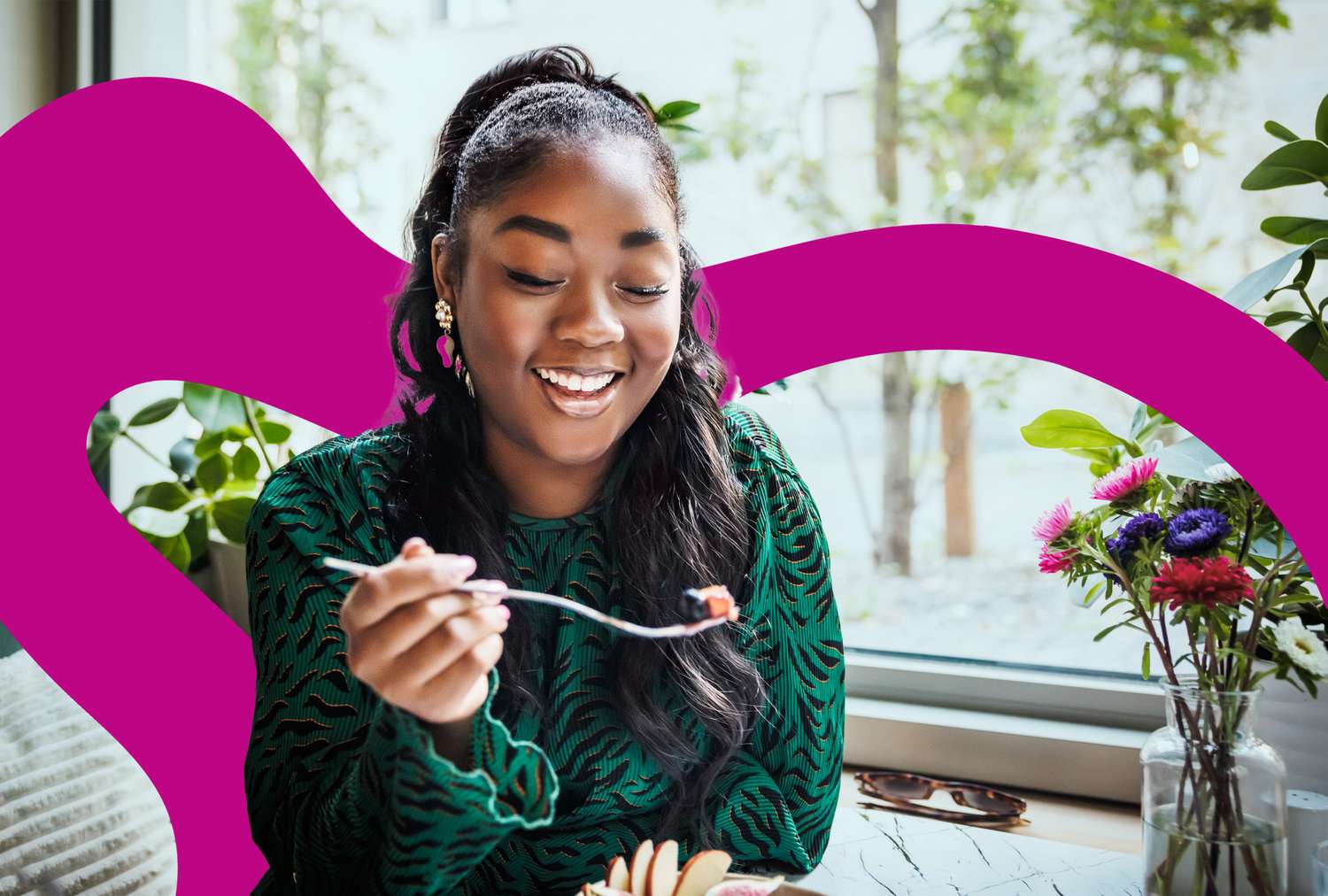

- Eating vegetables and protein before carbohydrates can reduce post-meal blood sugar spikes.
- It works by slowing digestion and stimulating the release of blood sugar–regulating hormones.
- This may benefit everyone, but is especially helpful for people with diabetes or prediabetes.
You sit down to dinner and face a plate with grilled chicken, roasted broccoli and a side of rice. Most of us dig in without thinking twice about which food we reach for first. But maybe we should. “Studies show that the order in which foods are eaten during a meal can influence post-meal blood sugar levels,” says Grace Phelan, M.S. “Research suggests that eating nonstarchy vegetables first, followed by protein and fat, and saving carbohydrates for last can help reduce post-meal blood sugar spikes compared with eating carbohydrates first.”
The concept is known as “food sequencing,” and the science to back it up is compelling. For instance, one recent study found that people with type 2 diabetes experienced a 44% reduction in post-meal blood sugar spikes when they ate the carbohydrates in their meals last compared to when they ate the same meals with carbs first.
While switching up the order of your foods is no substitute for a balanced eating plan or blood sugar–lowering medication, it is a simple, research-backed tool that can help keep your blood sugar steadier throughout the day.
The Best Order to Eat Your Food for Better Blood Sugar
Start with Vegetables
When it comes to food sequencing, nonstarchy vegetables are your best opening act. Think salads, roasted broccoli, sautéed green beans or a handful of raw veggies. Nonstarchy vegetables aren’t just low in carbohydrates. They are rich in fiber, which helps slow digestion and carbohydrate absorption, says Phelan. “Eating them earlier in a meal can help moderate blood sugar by creating a slower, more gradual rise in glucose,” she explains.
Eat Protein and Fat Next
After you’ve finished your vegetables, move on to the protein and fat components of your meal. Think chicken, fish, tofu, eggs or cheese. Protein and fat slow stomach emptying, which means glucose from the carbohydrate you’ll eat later may enter your bloodstream more gradually rather than all at once. This, in turn, can blunt blood sugar spikes, says Avery Zenker, RD.
These foods also stimulate GLP-1, a gut hormone that improves insulin secretion and further slows digestion. GLP-1 is the same hormone that medications like Ozempic and Wegovy are designed to mimic. So, it helps suppress appetite, too.
Finish with Carbs
Saving carbohydrate-rich foods—such as bread, rice, pasta, potatoes and fruit—for the end of a meal allows the fiber, protein and fat you’ve already eaten to act as a buffer. “Instead of getting a quick rush of carbs that quickly pass through the stomach and into the small intestine, the sugar takes its time to travel through the stomach before it’s absorbed,” says Zenker.
One study found that when people with prediabetes ate protein and veggies before carbs, or veggies alone before carbs, they experienced post-meal reductions in blood glucose spikes by as much as 40%. Research shows that front-loading with protein and veggies may benefit healthy individuals, too. “This strategy may [potentially] also be helpful for other health conditions related to insulin resistance, such as metabolic syndrome and cardiovascular disease,” says Zenker.
Of course, not every meal can be neatly separated into components—and that’s OK. Mixed dishes like stir-fries and grain bowls still offer benefits when they include a balance of vegetables, protein and fiber-rich carbs. Starting with a side salad or a veggie-based appetizer before a mixed meal is a practical way to put food sequencing into action. As Phelan puts it, “This doesn’t need to be perfect—simply starting meals with fiber- and protein-rich foods can make a real difference.”
Other Blood Sugar–Friendly Tips
- Walk After Meals: A brief 10-minute walk right after eating is one of the easiest ways to lower your post-meal blood sugar. When your muscles are working, they absorb glucose without needing as much insulin. Research found that a 10-minute walk immediately after eating effectively lowered blood glucose levels—and the effects were similar to a 30-minute walk, making it a practical daily habit.
- Try Calf Raises: If a walk isn’t an option, doing one to two minutes of calf raises (standing up on your tiptoes and lowering back down) has been shown to improve blood sugar regulation after eating. You can do these while standing at the kitchen counter or at your desk.
- Eat Dinner Earlier: Your body needs time to process glucose, especially overnight. And research has linked a longer overnight fast to better blood sugar (as well as improvements in blood pressure and heart rate). To give your body the time it needs to rest and digest, try to eat dinner at least three hours before bedtime.
- Balance Your Plate: The American Diabetes Association recommends dedicating one-half of your plate to nonstarchy veggies and each of the other quarters to lean protein and fiber-rich complex carbs. Think of it as an easy formula for better blood sugar!
Our Expert Take
The order in which you eat your food is a simple yet effective strategy for better blood sugar management. Research shows that eating nonstarchy vegetables first, followed by protein and fat, and finishing with carbohydrates can significantly reduce post-meal blood sugar spikes. This approach, called food sequencing, works by slowing digestion and stimulating the release of gut hormones that help your body process glucose more efficiently. While food sequencing is especially beneficial for people with diabetes or prediabetes, it can support metabolic health for anyone. For even better results, pair it with other blood sugar–lowering habits, like walking after meals, staying active throughout the day, eating dinner earlier and building a balanced plate.

Comments are closed.