
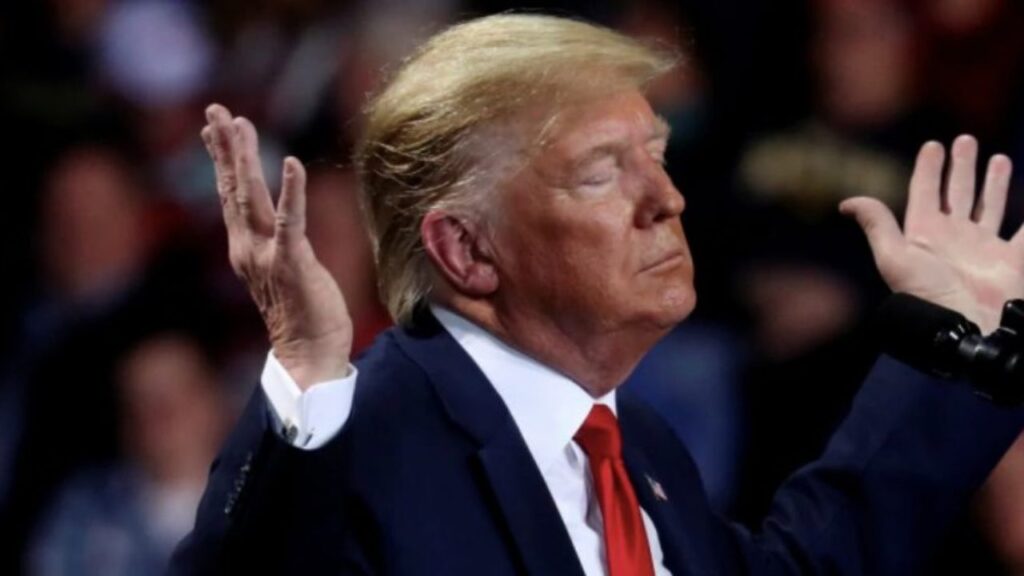

In a dramatic escalation of U.S. trade policy, President Donald Trump announced that the United States will raise global tariffs on imports from all countries to 15 percentjust one day after the U.S. Supreme Court struck down his earlier tariff programme as unlawful. The move, announced over the weekend, underscores Trump’s commitment to a tough trade stance and sets the stage for heightened economic tensions with trading partners and legal scrutiny at home.
Supreme Court Ruling: A Legal Setback for Executive Tariff Power
On February 20, 2026the United States Supreme Court ruled that Trump’s earlier sweeping global tariff policy was unconstitutional because it was imposed without explicit congressional authorization. The majority decision held that the president exceeded his authority under emergency powers law, curbing executive control over trade measures without legislative approval.
In response, Trump initially imposed a 10 percent tariff on all imports, effectively replacing the invalidated dutiesand then moved quickly to raise the tariff to 15 percentthe maximum allowed under an alternative statute — Section 122 of the Trade Act of 1974which authorises temporary tariffs for up to 150 days to address balance-of-payments issues.
Trump’s Criticism of the Court and Trade Justification
Trump publicly condemned the Supreme Court verdict, calling it “anti-American” and poorly reasoned, and sharply criticised multiple justices on social media. His remarks reflected deep frustration with the ruling and signalled an intention to continue pursuing tariffs as a key part of his economic agenda.
Despite legal setbacks, the administration argues that higher tariffs are necessary to protect U.S. industries from what it terms “years of unfair trade practices” and reduce persistent trade deficits. Trump framed the tariff hike as a means to support domestic manufacturing and counter foreign competitors.
Implications for Global Trade and Partner Countries
The 15 percent global tariff — even if temporary — could affect businesses and consumers worldwide. Higher import levies typically lead to increased costs for importers and may prompt trading partners to consider retaliatory measures or renegotiations of trade terms. Economists have warned that such tariff hikes can disrupt international supply chains and raise prices on consumer goods.
Countries with close trade relations to the U.S. — including India, China, Canada, and members of the European Union — will now reassess trade strategies and negotiate exemptions or alternative tariff frameworks. India, for example, saw certain previously imposed reciprocal tariffs reviewed and reduced following the Supreme Court decision, providing temporary relief for exporters on some goods.
What Comes Next
Although the 15 percent tariff is set for a limited duration under Section 122, Trump’s aggressive use of trade law and public criticism of the judiciary highlight an ongoing tug-of-war between executive ambitions and legal constraints. Congress may be called upon to clarify tariff authority, and future legal challenges are likely as global leaders digest the implications of the U.S. stance.

Comments are closed.