
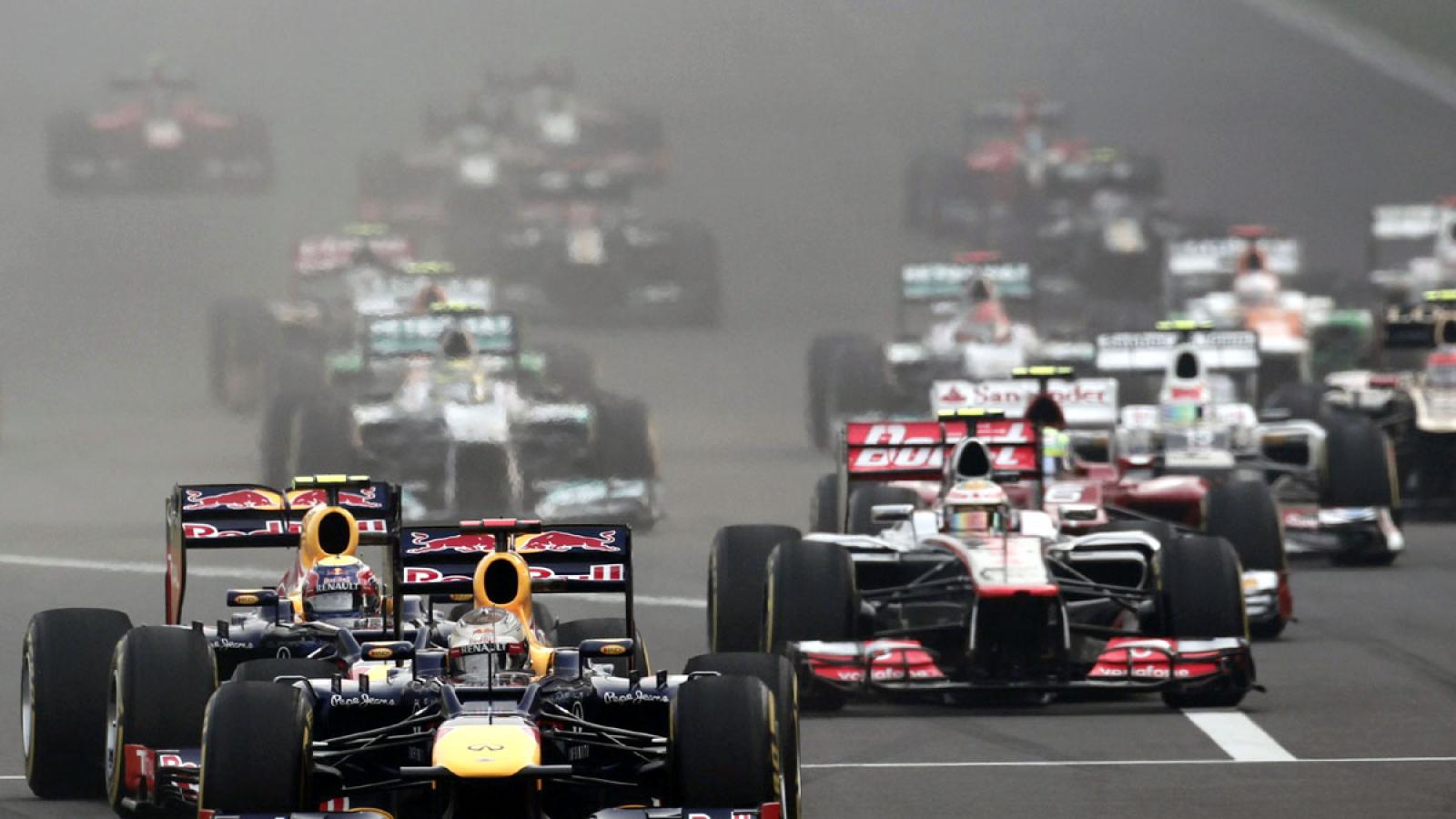

India’s chances of bringing Formula 1 back to its racing calendar are looking stronger than they have in over a decade. With the Adani Group stepping in with intent and government signals turning positive, the conversation has moved from speculation to something far more concrete.
At the center of this renewed push is a mix of corporate ambition, infrastructure control, and a clear recognition that India’s F1 audience has only grown since the last race was held.
Karan Adani Steps In Personally
Karan Adani has made it clear this isn’t just a business move sitting on a spreadsheet. Speaking at a recent industry event, he confirmed his personal involvement in efforts to revive Formula 1 in India.
What stands out is the framing. This isn’t being positioned as just another sporting event. The pitch is bigger: global visibility, sports tourism, and a signal that India can host premium international properties without the friction that stalled things earlier.
There’s also a commercial reality here. Formula 1’s fan base in India has expanded significantly thanks to digital access and streaming. The demand exists. The question has always been execution.
Buddh Circuit Back in Focus
Everything hinges on the Buddh International Circuit.
The track, which hosted the Indian Grand Prix from 2011 to 2013, remains one of the best racing facilities in the region. But ownership complications have kept it out of action.
That could change soon.
Adani Group’s ₹14,535 crore resolution plan for Jaiprakash Associates, currently under insolvency, includes control of the circuit. If the deal goes through, it removes one of the biggest structural roadblocks.
Owning the venue changes the game. It simplifies negotiations with Formula 1’s commercial rights holders and allows for faster decision-making on upgrades, compliance, and event logistics.
Government Signals Turn Positive
Here’s where things get interesting.
Union Sports Minister Mansukh Mandaviya’s recent visit to the circuit wasn’t just symbolic. It indicates that the government is at least open to revisiting the idea of hosting Formula 1 again.
That matters because the last time around, policy issues were the dealbreaker.
The Uttar Pradesh government had classified Formula 1 as entertainment rather than a sport. That single decision triggered heavy taxation, making the event financially unsustainable.
If there’s alignment this time between stakeholders and policymakers, that risk reduces significantly.
Fixing What Went Wrong
Let’s be honest. India didn’t lose Formula 1 because of a lack of interest. It lost it because the ecosystem wasn’t ready.
High taxes, regulatory ambiguity, and cost pressures made the event unviable despite strong attendance and global attention.
This time, the approach seems more pragmatic.
There’s recognition that hosting Formula 1 isn’t just about race weekend revenue. It’s about long-term positioning. Tourism, hospitality, global branding, and investor perception all come into play.
If those pieces are aligned upfront, the economics start to make more sense.
What This Could Mean for India
A successful return of Formula 1 would do more than bring back racing.
It would signal that India can host complex, high-value global events consistently. It would boost the country’s sports ecosystem and open doors for other international properties.
And for fans, it’s simple. No more waking up at odd hours or flying abroad to experience the sport live.
The Road Ahead
Nothing is official yet. There are still negotiations, approvals, and financial structures to be finalized.
But here’s the thing. For the first time in years, the fundamentals are aligning.
Ownership, policy intent, and market demand are moving in the same direction.
If that holds, the India Formula 1 return might finally move from “possible” to “inevitable.”

Comments are closed.