
India-US Trade Agreement: Donald Trump’s U-turn; Reciprocal tariff on India to 15% from 25%

- A new twist in India-US trade
- Total charges for India now only 20%
- Textiles, Gems, IT sector will benefit greatly
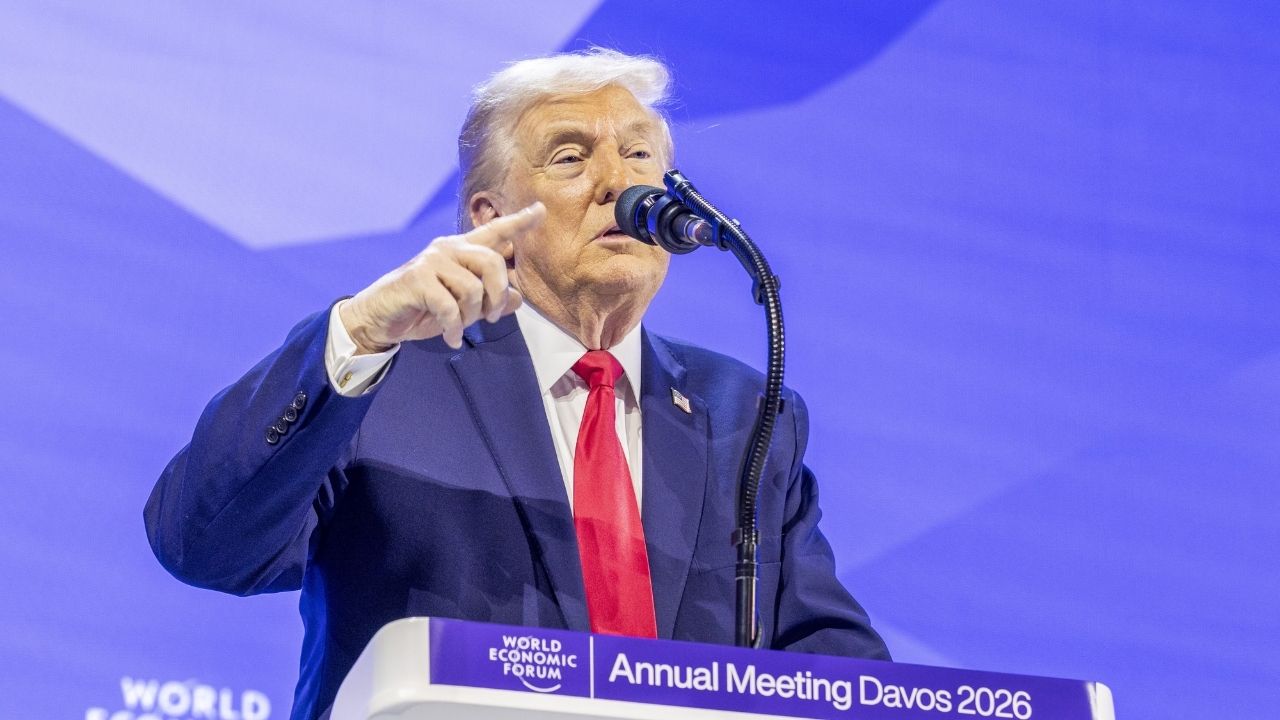
India-US Trade Agreement: Following the US Supreme Court’s decision, President Donald Trump has reduced the high reciprocal taxes imposed on many countries, including India, to 15 percent, which will directly benefit India. Earlier, goods exported from India to the US were subject to an additional tax of 25 percent. Now, however, it will be reduced to 15 percent from February 24, 2026. This decision will be provisionally applicable for 150 days. A tax or import duty is imposed by one country on goods imported from another country.
A company imports goods from abroad, it has to pay duty to the government. Companies usually recover this additional cost from the customer. This means that if the tariff increases, the goods become more expensive. For example, if a product has a standard import duty of 5% and the government imposes an additional 15% tariff, the total tariff will increase to 20%. If an Indian product was previously subject to an MFN tariff of 5% in the US and is subsequently subject to a reciprocal tariff of 25%, the total tariff would be 30%.
IDFC First Bank Fraud: IDFC First Bank Shocking Disclosure; 590 crore suspected fraud?
Now, under the new system, only 5% plus 15% will be charged, i.e. a total of 20% of the 15% levy will bring relief to Indian companies. Their goods will be cheaper in the American market. This can increase exports and increase competition. However, what will happen after 150 days is still unclear. Currently, this arrangement is in place for 150 days, approximately till July 2026. It is also unclear what decision the US will take after that. The reduction in tariffs will directly benefit companies operating in textiles, gems and jewellery, IT and engineering goods. As Indian products become cheaper in the US, demand for them will increase, thereby strengthening the country’s foreign exchange reserves and export sector.
The Indian delegation will meet in Washington from February 23 to prepare the legal draft for the first phase of the India-US trade agreement. The two countries are expected to sign the agreement next month. The term reciprocal tariff was first used by the US. On April 2, 2025, the Trump administration announced the imposition of reciprocal tariffs on about 60 countries, including India. The aim was to provide a level playing field to US exporters. This means that if a country imposes a 20% tax on US goods, the US will impose the same tax on goods coming from that country. This tax is imposed in addition to the Most Favored Nation (MFN) tax already imposed.
Mutual Funds Investment: Investing in mutual funds? Money will grow only if these mistakes are avoided; Know in detail
On April 2 last year, the US announced a 26% reciprocal tax on India. In August 2025, an additional 25% punitive tax was imposed on India to purchase crude oil from Russia. So the total tax comes to 50%. In February 2026, India and the US signed an interim trade agreement framework. The US then announced the abolition of the punitive tax and reduced the tax to 18%. India imposes higher import duties on American products, which hurts the US. The US says it is resorting to tariffs to correct the imbalance.

Comments are closed.