
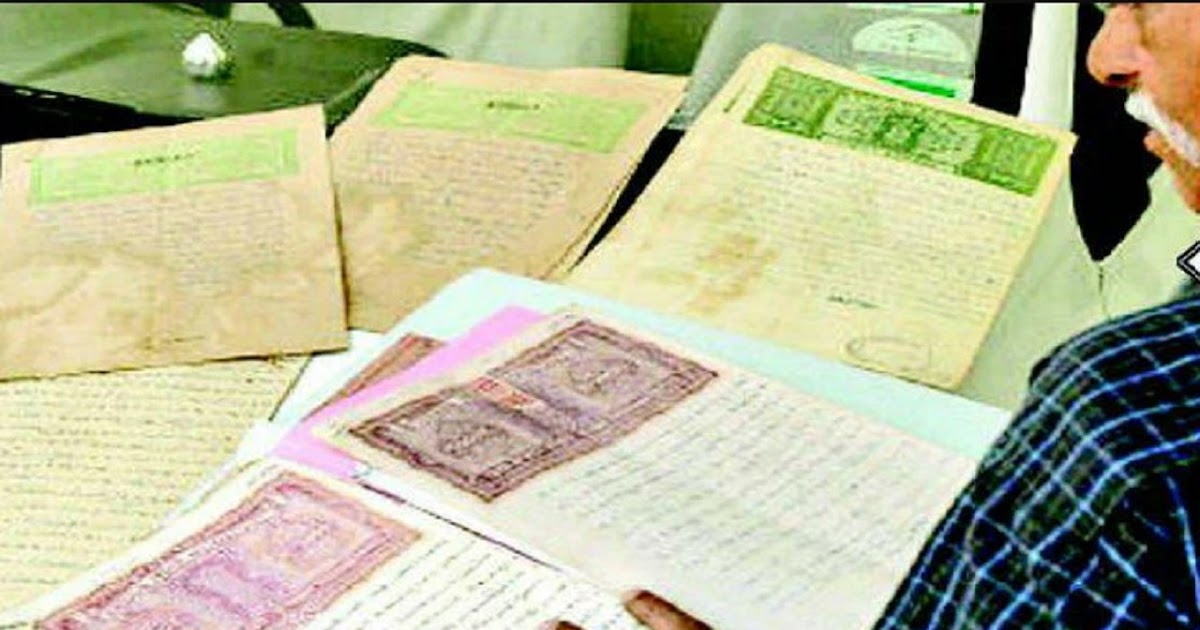

New Delhi: Ancestral property, i.e. the land or building inherited from the ancestors of the family, often becomes a cause of dispute in the family. In such cases, it is important to understand who has the rights from the legal point of view and who is entitled to a share.
rights of men and women
According to Indian property law, whether the property is inherited from father or grandparents, all heirs are entitled to a share. Women also have equal rights in modern law. That means daughter and son are all entitled to their share.
division between brothers and sisters
Shares in ancestral land are divided equally between brothers and sisters. If there is no written will at the time of the father, the land will be distributed equally as per the Hindu Succession Act.
will and rights
If the ancestor has made a will, the property will be distributed according to it. But keep in mind that legal flaws in the will or lack of consent from any heir can give rise to disputes. The court can intervene in such cases.
rights in joint family
The property of a joint family is also considered to have equal rights. No member can be given sole right to property without their consent. In case of dispute, resolution is possible through family reconciliation or court.
Ways to avoid conflict
To avoid disputes over ancestral property, all family members should discuss openly. Keeping official records of land or buildings and making a will brings security and clarity to both matters.

Comments are closed.