
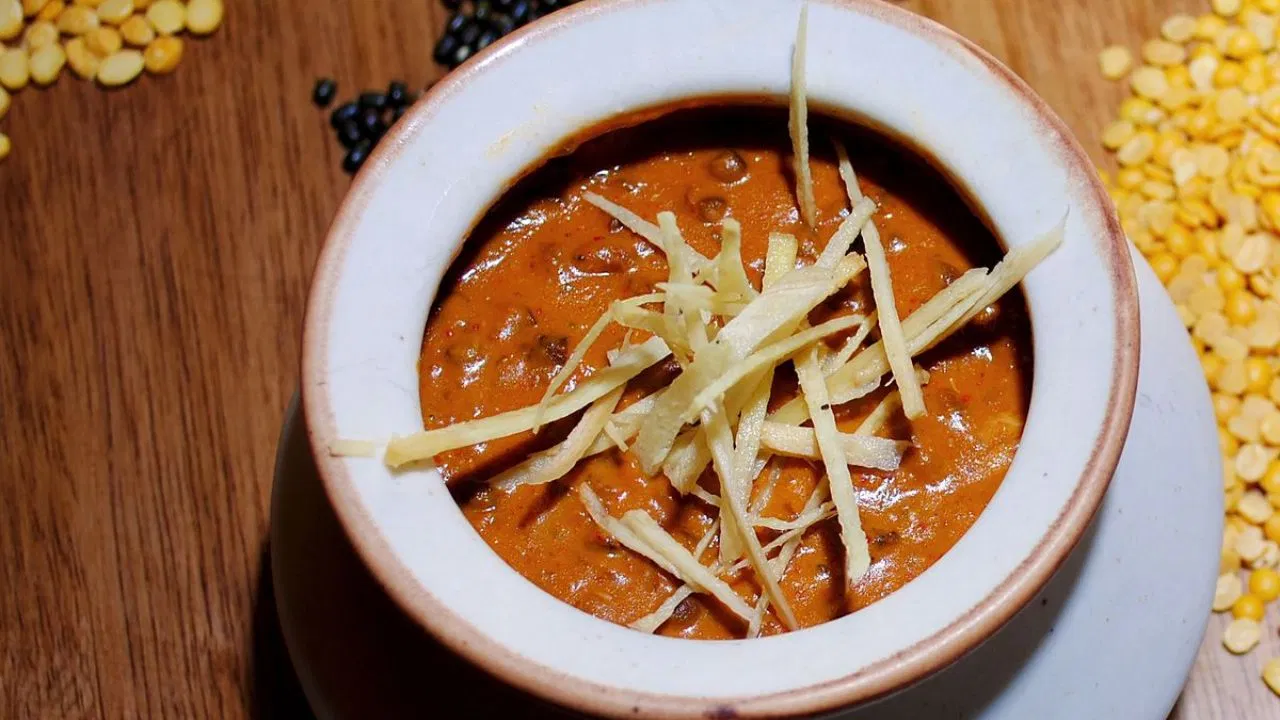
Dal history and evolution: Explore this comfort food’s journey from Mahabharata era to royal kitchens

New Delhi: Few dishes hold emotional and cultural significance in India quite like dal. Technically referring to split pulses, the word has come to represent a wide range of lentil-based preparations that appear daily on Indian tables. Various types of dals, such as simple home-style bowls tempered with cumin and garlic to rich, slow-cooked versions served in grand restaurants, reflect the adaptability of Indian cooking. Archaeological evidence traces lentil consumption in the subcontinent to the Indus Valley Civilisation around 2500 BCE, where pulses formed a dietary staple.
Over centuries, regional variations developed, influenced by local ingredients, royal patronage and evolving culinary techniques. Ancient texts mention celebratory lentil dishes, while medieval courts refined them with slow-cooking methods and elaborate tempering. Today, dal is served with rice, roti or enjoyed as a snack and hence remains an anchor of Indian thali. Its story moves seamlessly between modest kitchens and imperial feasts. Here is the detail of its journey.
Journey of dal from village hearths to royal dining halls
Roots in Indus Valley
Archaeological findings show lentils were staple food during Indus Valley Civilisation. Early communities relied on pulses for nutrition, laying foundation for dal’s central role in Indian diet.
Dal in ancient texts
Historical references suggest lentil preparations featured in celebratory feasts. One account links wedding of Chandragupta Maurya in 303 BCE to early form of ghugni, still popular in eastern India as street-side breakfast.
Royal refinement in medieval courts
Revival of dum pukht, slow steam-cooking technique, elevated status of dal in royal menus. Chana dal gained particular prominence, and court cooks treated its preparation with utmost seriousness.
Rise of panchmel dal
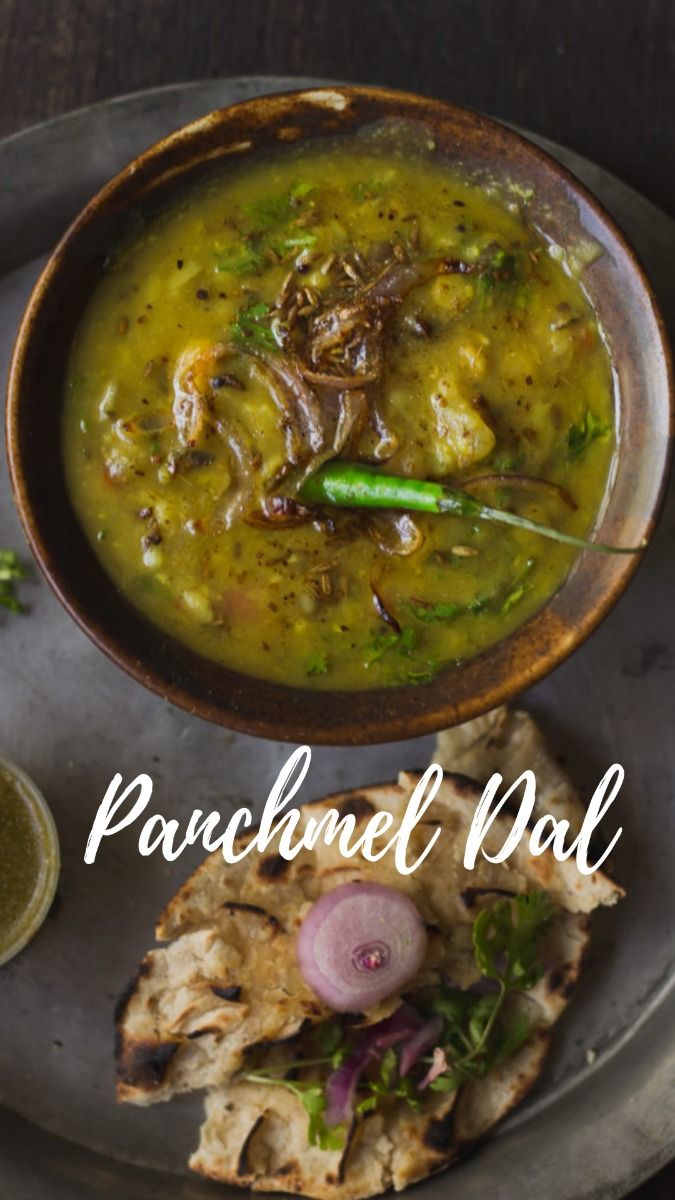
Panchmel, also called panchratna dal, combines five lentils into single dish. Believed to have flourished in royal house of Mewar, it later became favourite in Mughal courts, including during reigns of Shah Jahan and Aurangzeb. Some legends even trace its origin to Bhim in Mahabharata, who is said to have slow-cooked mixed dals in earthen pot.
Birth of Moradabadi dal
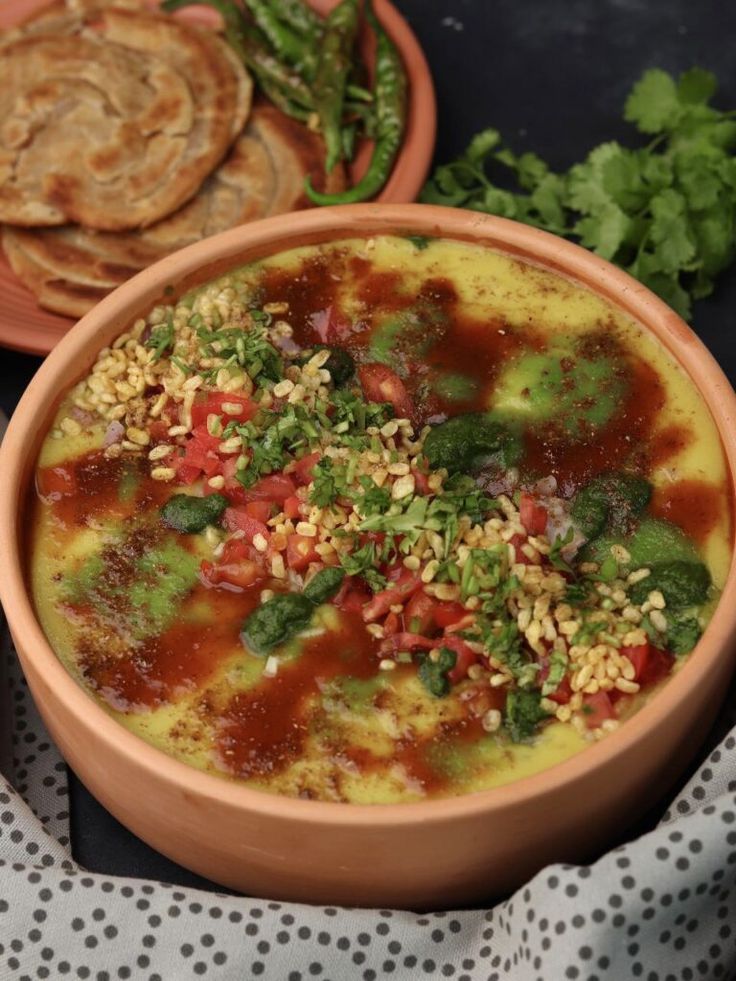
Named after Prince Murad, this lighter moong dal preparation reportedly emerged from royal kitchen experiment. Garnished with onions, green chillies and amchur, it continues to be served as a flavourful snack rather than main course.
Creation of Dal Makhni
In the 20th century, restaurateur Kundan Lal Gujral combined urad dal, chana dal and rajma with rich tomato and cream gravy, creating iconic dal makhni to complement butter chicken. Dish went on to gain global popularity.
Dal has travelled from ancient hearths to modern restaurants and has adapted without losing its essence. Its enduring presence across regions and centuries proves that comfort food can also carry remarkable historical depth.

Comments are closed.