
Sunil Grover On Celebrity Impersonations: ‘I Celebrate, Not Mock’ Amid Personality Rights Debate

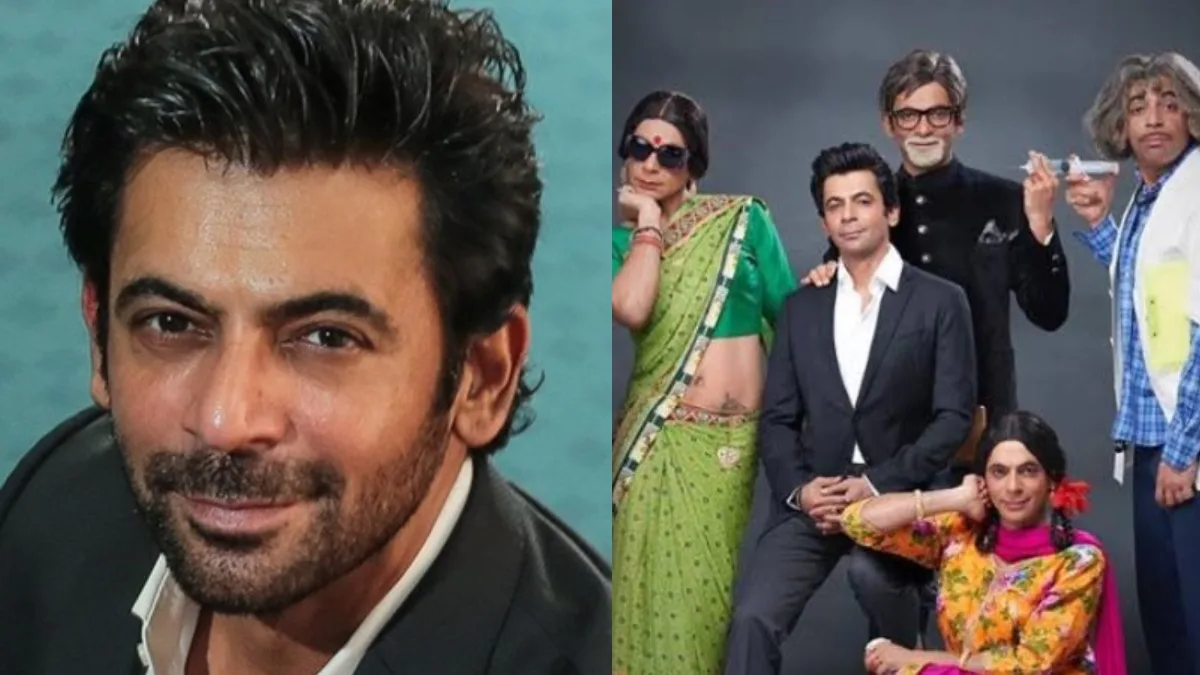
Comedian and actor Sunil Grover has addressed the growing debate around celebrity impersonations at a time when personality rights and image protection cases are increasingly being discussed in the entertainment industry. Known for mimicking public figures and Bollywood stars in his sketches, Grover clarified that his intention has never been to insult or mock anyone but to celebrate them through humour.
Speaking about the evolving legal landscape, Grover acknowledged that conversations around personality rights have become more prominent, especially as public figures seek to protect their image and brand identity. However, he maintained that comedy, particularly impersonation, has long been rooted in admiration and creative expression. According to him, mimicry is a form of tribute rather than ridicule.
Grover explained that when he chooses to impersonate someone, it comes from a place of appreciation. He said that audiences recognise the affection embedded in such performances and that the spirit of satire lies in playful exaggeration rather than harm. “I impersonate to celebrate, not to make fun,” he said, underscoring that the essence of comedy is to bring joy, not controversy.
The actor has portrayed several well-known personalities over the years, often transforming their mannerisms, tone, and speech patterns into humorous characters that resonate with viewers. His performances have become widely popular on television and digital platforms, helping him carve a niche in the comedy space. While impersonation has historically been a staple of comedic entertainment, the current environment has prompted discussions about where creative freedom meets legal boundaries.
 Grover noted that he remains mindful of sensitivity when performing. He stressed that intention and context are key factors in understanding humour. According to him, comedy should not be confused with defamation, and artists should not feel fearful of expressing themselves as long as they operate within respectful boundaries. He added that humour has the power to humanise celebrities and make them more relatable to audiences.
The conversation comes amid several high-profile cases in which public figures have raised concerns over unauthorised use of their likeness, voice, or persona. As digital content expands and impersonations circulate widely across social media, the debate around consent and intellectual property continues to evolve. Grover’s comments reflect the perspective of artists who believe that parody and mimicry remain essential forms of cultural expression.
At the same time, Grover emphasised that he values the relationships he shares with colleagues and industry peers. He indicated that many celebrities understand the spirit behind impersonation and often take such portrayals in good humour. He believes that comedy thrives when both performers and subjects appreciate the artistry involved.
Beyond the legal discussion, Grover reiterated his commitment to entertaining audiences through creativity and positivity. He said that the goal of his performances has always been to spread laughter and celebrate personalities who have left a mark on popular culture.


Comments are closed.