
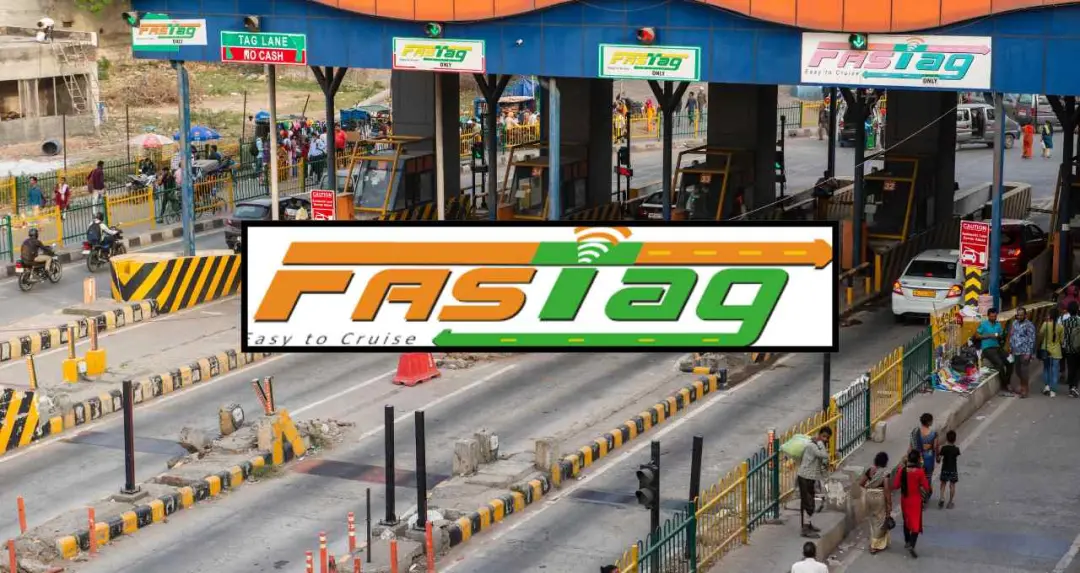

GPS based distance-based toll system will be implemented in the country from April 1. After FASTag, this new technology will eliminate the need to stop at toll plazas. Fees will be deducted directly from the bank account or linked wallet.
FASTag: There is going to be a big change in the toll collection system in the country. Earlier there was cash payment, then FASTag made the system digital and now the government is preparing to implement GPS based distance-based toll system. With the implementation of this new system, there will be no need to stop at the toll plaza and the fee will be deducted directly from the bank account or linked wallet. Experts say that this will save both time and fuel, and the government may also see an increase in revenue.
Toll payment changing from April 1
The National Highway Authority (NHAI) has clarified that from April 1, 2026, the option of cash payment at toll plazas will be completely eliminated. After this, toll payment will be possible only through FASTag or UPI. Even at present, about 98 percent of toll transactions are being done through FASTag, but this change is a step towards a completely digital and automatic system.
Union Road Transport and Highways Minister Nitin Gadkari has indicated that toll collection will be completely linked to GPS technology by the end of 2026. This means that vehicles will not need to stop at toll plazas. Fee will be automatically deducted as per distance through satellite based tracking.
How will GPS based toll system work?
In GPS based toll system, the device or tracking technology installed in the vehicle will determine the distance covered by the vehicle on the national highway. The fee will be deducted from the bank account or linked wallet depending on the distance. This will reduce problems like long queues, traffic jams and delays in toll collection.
The government believes that this system will also help in preventing toll evasion and revenue leakage. It is estimated that this change could lead to additional savings of approximately Rs 1500 crore every year. At present, the pilot project of GPS based system is running on some major routes. If the results are satisfactory, it can be implemented in the entire country by the end of 2026.
How will GPS toll affect your pocket?
The main advantage of distance based toll system is that you will pay the distance you travel. In such a situation, those using the highway for short distances can get benefit. At the same time, for drivers traveling long distances, the total cost may be equal to or slightly higher than the current system. This will entirely depend on how the government decides the toll rates.
Experts believe that if the rates are kept balanced then there will be no additional burden on the common people. At the same time, commercial vehicles and logistics companies may have to change their plans for the distance based toll system.
Privacy and data security questions
The biggest concern with GPS based toll systems is privacy and data security. In this technology, information related to the location and movement of the vehicle will be recorded. Therefore, it is important that the use of this data is limited to toll collection only and it is not misused.
Experts say that this problem can be reduced through strong data protection laws and transparent monitoring system. The government must ensure that personal information is used only for toll records and is not used for any other purpose.
Benefits of improving toll system
GPS based toll system will not only save time of stopping at toll plazas but will also save fuel. The problem of long queues and traffic jams will be reduced. Apart from this, the government will see an increase in revenue collection and it will be possible to control incidents like toll evasion.

Comments are closed.