

The Baltic Dry Index moved higher in the latest session. It climbed 3.38% to reach 2112 points in London. This marks a solid jump in global shipping costs.
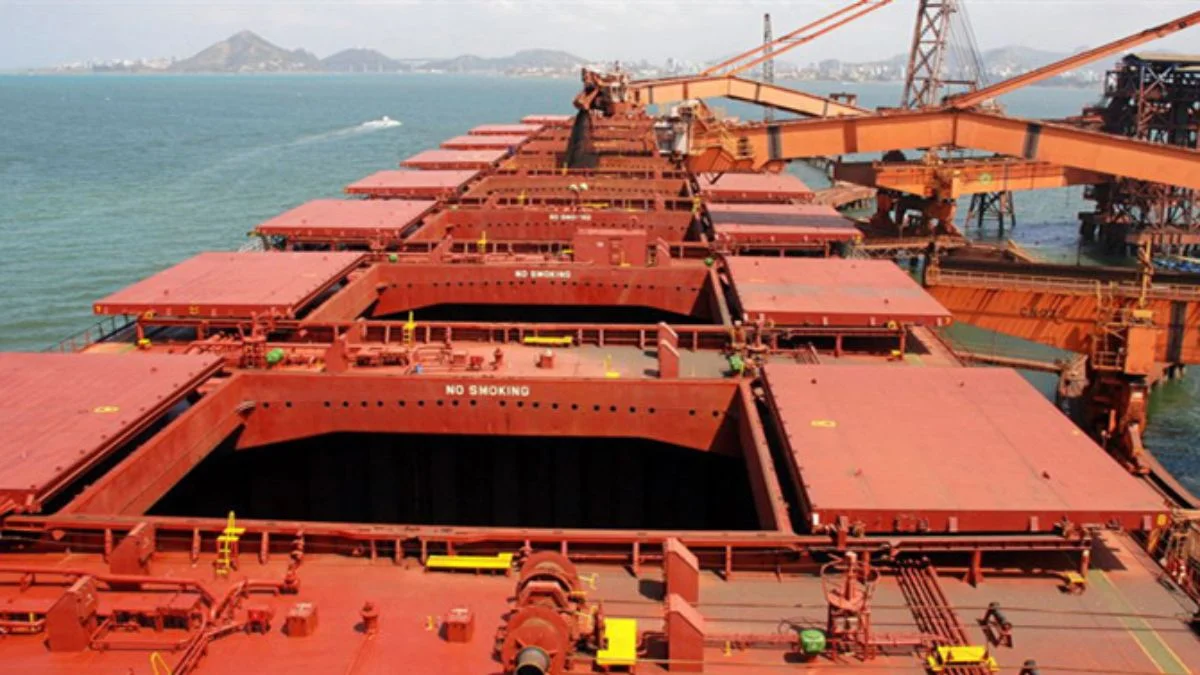
The Baltic Dry Index tracks the cost of transporting raw materials by sea. It mainly reflects the price of shipping commodities like coal, iron ore and grains. When the index rises, it usually signals stronger demand for bulk shipping.
A 3.38% gain in a single session is notable. It shows increased activity in the dry bulk market. Traders and shipping companies often watch this index closely. It gives early clues about global trade trends.
Baltic Dry Index at 2112 signals stronger freight rates
The index closing at 2112 points suggests higher freight rates across major shipping routes. Rising freight costs often mean that more cargo is being booked. This can point to improving demand for industrial commodities.
When the Baltic Dry Index climbs above key levels, it reflects tighter vessel supply or higher cargo volumes. Both factors push shipping prices up. A steady rise can also indicate stronger economic activity in large importing countries.
Shipping companies usually benefit when freight rates increase. Higher rates can improve revenue and profit margins. Investors also track this index to assess the health of the global trade cycle.
Global shipping demand and commodity trade outlook
The latest 3.38% rise may be linked to growing movement in raw materials. Iron ore and coal shipments often drive changes in the index. Seasonal demand and supply chain adjustments also play a role.
If the Baltic Dry Index continues to hold above 2000, it could signal sustained strength in maritime trade. However, the index is known for sharp swings. Freight markets can change quickly based on fuel costs, port congestion and global demand shifts.
For now, the move to 2112 in London highlights renewed momentum in the dry bulk shipping market. Market participants will watch upcoming sessions to see if the upward trend continues or stabilizes.

Comments are closed.