
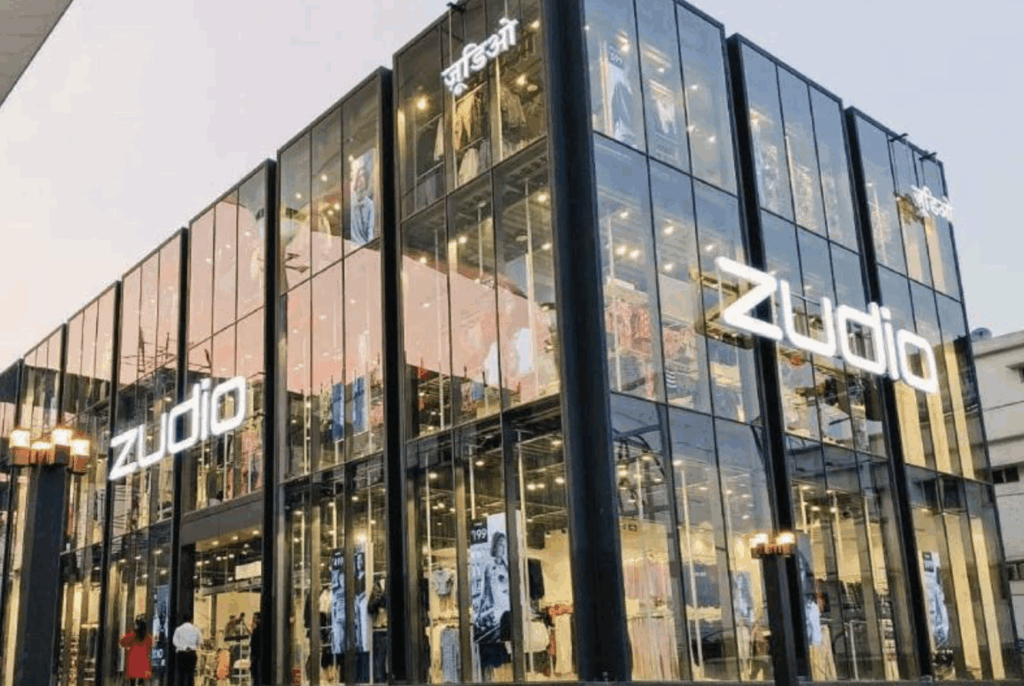

Zudio, the fast-fashion apparel brand under Tata Group’s Trent Ltd, has achieved a historic milestone by becoming the first Indian clothing brand to cross $1 billion in annual revenues within a 12-month period. This landmark feat has captured attention across the retail and fashion industries, signalling not only remarkable growth for Zudio itself but also the rapid evolution of India’s organised budget fashion market. The achievement reflects shifting consumer preferences, aggressive expansion strategies and the rising purchasing power of shoppers beyond metropolitan centres.
The ₹8,500-crore (roughly $1 billion) revenue threshold shows how a local brand, previously small, has scaled to compete with international fast-fashion giants in a crowded and competitive landscape. Zudio’s rise is significant for its emphasis on value-driven clothes, low prices, and shop expansion in neglected tier-2 and tier-3 areas, where demand for modern, attractive attire is increasing rapidly. According to industry observers, this milestone has the potential to alter organised retail’s reach and offer up new avenues for Indian firms to compete on a sustainable scale.
Strategic Growth and Expansion:
Zudio’s journey to a $1-billion annual revenue did not happen overnight. The brand, which initially began with a handful of stores in the late 2010s, followed a deliberate and calculated expansion strategy that prioritised reach, affordability and adaptability. By mid-2025, Zudio operated over 765 stores across India, covering many urban and emerging markets that were previously underserved by modern apparel retailers. The brand’s footprint now spans metropolitan hubs as well as smaller towns and cities, where traditional retail options were often limited and unorganised.
Zudio’s ability to connect with India’s aspirational middle class buyers who are price conscious but style smart has been critical to its success. Zudio’s pricing range of $4 to $15 (roughly ₹350 to ₹1,200) is suitable for those who may prefer unbranded street markets. Zudio has encouraged these consumers to switch from fragmented local marketplaces to branded stores with consistent quality and size standards by selling trendy items at affordable prices in air-conditioned, well-organized retail settings.
Aside from pricing, Zudio’s rapid inventory turnover, which frequently refreshes seasonal collections within 15 days, has helped to keep shopper interest and increase repeat visits. This approach, along with a deep awareness of local fashion tastes and trends, enabled Zudio to outperform many competitors, including several worldwide fast-fashion chains that struggled to capitalize on India’s distinct retail dynamics.
Impact on Indian Retail and Consumer Behaviour:
Zudio’s exceptional revenue growth signals a significant shift in India’s clothing business. For decades, a major portion of apparel sales in India were conducted through unorganized channels such as street sellers, local boutiques, and open marketplaces. While these channels continue to play an important role, organized retail, particularly affordable fashion, is gaining ground as customer preferences shift. Customers are now looking for the benefits of branded experiences, such as consistent quality, trial rooms, return policies, and clean retail settings, at rates that are competitive with established options.
Retail analysts say Zudio’s success reflects a broader trend of market consolidation in organised fashion, driven by greater disposable incomes in smaller cities and improving retail infrastructure. As India’s middle class expands and shopping habits evolve, brands that effectively bridge the gap between affordability and modern fashion are poised to capture significant market share. Zudio’s milestone also challenges prevailing assumptions that scaling to $1 billion in revenues is feasible only for global fashion giants or high-end labels operating in premium segments.
Also, Zudio’s success is especially surprising given the brand’s limited reliance on digital commerce, preferring to prioritise offline retail interactions. Unlike many competitors that spend substantially in online platforms, Zudio’s emphasis on brick-and-mortar stores, supported by good visual merchandising and store performance, has proved that physical retail remains an important part of India’s fashion ecosystem.
Conclusion:
Zudio’s rise to become the first Indian clothing brand to generate $1 billion in revenue in a single year highlights not only strong business execution, but also broader changes in India’s retail scene. Its success is based on a deep understanding of customer demands, deliberate expansion into unexplored markets, and a value proposition that appeals to regular shoppers. As the company continues to develop and grow, its milestone success could redefine what is achievable for Indian garment brands, showing that homegrown labels can compete on scale and influence in one of the world’s major fashion markets.

Comments are closed.