
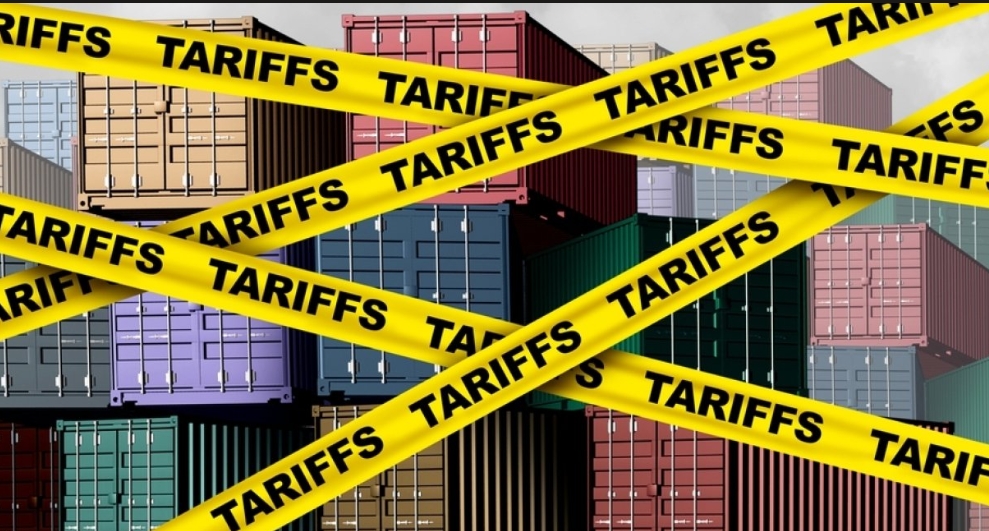

President Donald Trump’s tariff strategy suffered a major setback on February 20, 2026, when the US Supreme Court ruled 6–3 that the International Emergency Economic Powers Act (IEEPA) does not permit the President to impose tariffs, and struck down a massive 2025 levy on global imports (which was ruled unconstitutional because Congress has the power to impose taxes under Article I).
Trump responded sharply, calling most of the judges “fools and sycophants” and “traitors,” while praising those who dissented. He immediately invoked Section 122 of the Trade Act of 1974, and imposed a temporary 10% global import surcharge (effective for 150 days, beginning February 24, 2026, unless extended by Congress – the first large-scale use of this balance-of-payments tool). On February 21, he announced an increase to the legal maximum of 15%, although official documents say it will be implemented at 10% amid ongoing adjustments.
Exemptions apply to certain items (e.g., agriculture, aerospace, household essentials). There will be no impact on the National Security Tariff (Steel, Aluminium, Auto) of Section 232.
This change adds uncertainty to US trade deals due in 2025–2026: UK steel/pharma zero, EU’s pending 15% cap framework (approval withheld for clarification), India’s February interim agreement (tariffs reduced to 18% in exchange for market access and reduction in oil purchases from Russia), and cuts in SE Asia (e.g., Malaysia/Cambodia 19%). US Trade Representative Jamieson Greer said some agreed rates remain in place, but the flat surcharge makes reciprocity incentives difficult.
Reactions vary: UK businesses warn of impact on growth; China appeals for cooperation amid scheduled talks; EU sought clarification. Analysts noted the possibility of consumer price increases and economic decline, the temporary impact of which will not last long unless extended. Global trade partners expressed concern over the new fluctuations.

Comments are closed.