
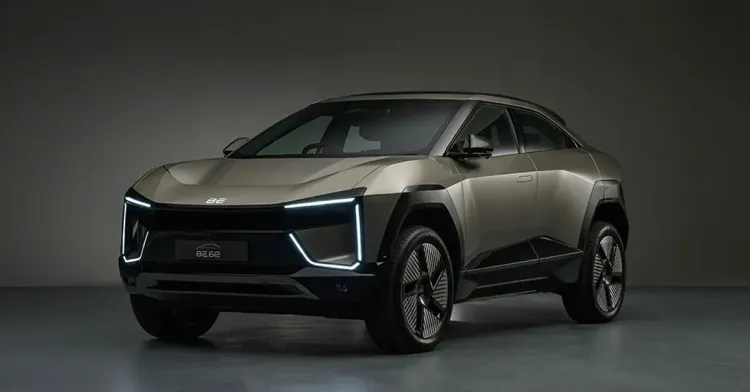

Range is something that most EV buyers obsess over. It determines road trip confidence, charging frequency, and in the larger picture, even the vehicle’s resale value. The certified range figure is only part of the story. Real-world range depends heavily on how you drive and how well you maintain the vehicle. An EV’s actual efficiency is highly sensitive to factors like speed, driving style, and even tyre pressure. Small changes in these can bring about significant range improvements. Here is what to do if you wish to maximise your EV’s real-world range.
Drive Smoothly and Progressively
Electric vehicles deliver instant torque. This rapid acceleration can be addictive. If the owner succumbs, and overuses it, the real-world can drop sharply. Let’s explain this with an example. A fully-loaded Mahindra BE6 79kWh has an ex-showroom price of roughly Rs 30 lakh in India. Its electric powertrain makes 286hp and 380Nm. This electric SUV does the 0-100kph sprint in just 6.7 seconds. This acceleration can be addictive. The 79kWh battery pack has an ARAI range of 682km. But if you start feasting on the EV’s rapid acceleration, the actual range may drop drastically.
The underlying logic is simple. Rapid acceleration draws high current from the battery, increasing energy consumption dramatically. Smooth, progressive throttle inputs, on the other hand, reduce peak demand and improve overall efficiency. Meaning, more kilometres per charge.
Now, don’t confuse this with driving slowly! We just mean to say ‘be gentle with the throttle’ and maintain momentum whenever and wherever possible.
Maintain Steady Speeds on Highways
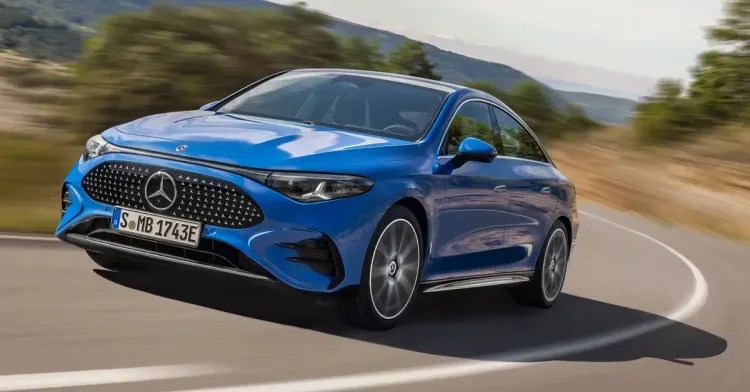
Aerodynamic drag is the force acting opposite to the direction of motion of the vehicle, caused by friction and pressure differences. It rises exponentially with speed. More drag equals more consumption. The difference in consumption between 80 km/h and 110 km/h can be substantial.
Most EVs achieve their best efficiency between 60–80 km/h. Once you cross 100 km/h, range can drop sharply- sometimes by 20 to 30 percent depending on the vehicle.
The rule of thumb is to use cruise control whenever possible, on highways. If not, use a steady right foot. Avoid unnecessary acceleration or deceleration.
Use Regenerative Braking Strategically

Regenerative braking recuperates energy when the vehicle is decelerating or when you lift your foot off the throttle pedal. Here’s how to use it with maximum efficiency.
Instead of braking late and hard, take your foot off the pedal early and let the car slow down gradually, making good use of the regen tech. Switching to this driving style maximises regeneration opportunities and improves real-world range. Many modern EVs offer the choice of an extremely aggressive regen setting- the single pedal driving mode. Using this in tight traffic conditions can also be a good idea.
Making good use of the ECO mode is another recommended practice. It softens throttle response, limits peak power, and optimises energy usage. It can help a lot in extending the overall range. Ensure a light foot on the throttle while driving in ECO mode.
Be Wise With AC!
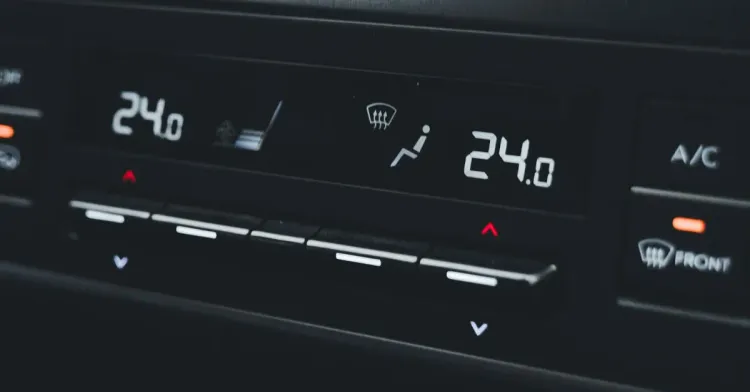
The vehicle’s climate control system has a direct impact on its range, especially in hot, humid countries like India. Heavy AC usage can reduce range by 5 to 15 percent. As best practices, use recirculation mode, avoid setting extremely low temperatures, and use seat ventilation if available, as it consumes less energy than cooling an entire cabin.
Ensure Optimum Tyre Pressure
Tyre pressure directly affects rolling resistance. It is the mechanical resistance encountered by the rubber as it rotates on a flat surface under load. If it is higher than usual, the electric motor will have to work harder. This is how under-inflated tyres increase energy consumption. Checking and maintaining the manufacturer-recommended tyre pressure is critical in maximising range. For longer highway runs, you can even maintain a pressure toward the higher end of the recommended range.
Reduce Unnecessary Weight And Drag
Extra weight increases energy consumption. Remove any unused/unnecessary cargo from the boot.Roof carriers, roof boxes, or open windows at highway speeds increase aerodynamic drag significantly. Avoid them! Even small increases in drag can affect EV range.
Plan Charging Routine Properly
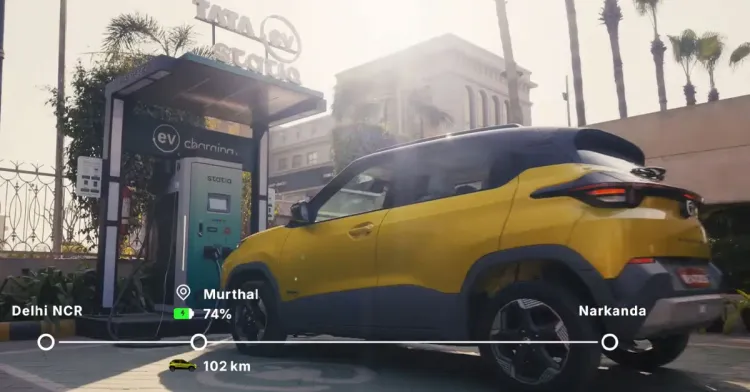
On longer drives, plan charging stops strategically rather than running the battery to very low levels and then looking for chargers nearby. Operating in the mid-range (20–80 percent) is often the most ideal practice.
Monitor Energy Consumption Data
Most modern EVs provide real-time efficiency data, usually in kWh per 100 km or km per kWh. Learning to interpret this can, in the long run, transform how you drive. Watching consumption change based on speed, AC usage, and acceleration patterns can give you a clear picture of what do to and what not to.
Understand That Other Conditions Matter Too
Headwinds, rain, terrain, and traffic conditions all affect range. Driving uphill increases consumption sharply, while going downhill improves recovery through regeneration. Stop-start city traffic, surprisingly, can sometimes be more efficient than high-speed highway cruising.
All in all, maximising EV range is less about driving slowly and more about driving cleverly- Smooth inputs, steady speeds, proper maintenance and clever use of regen tech.

Comments are closed.