
Narendra Modi’s 2026 Israel Visit: Strategic Intimacy, Tech Alliances, and Geopolitical Calculations

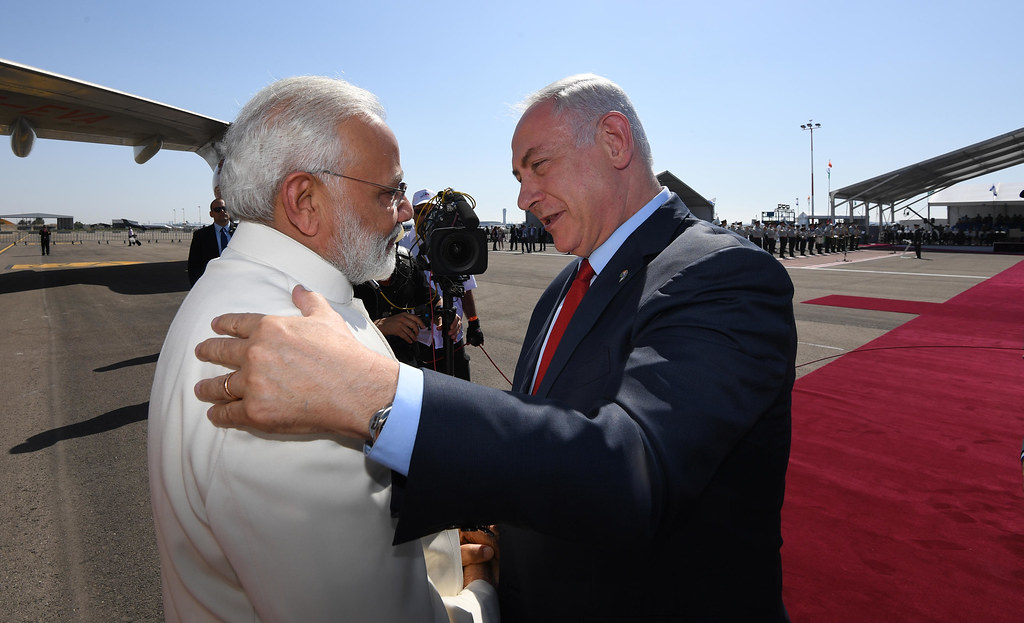
Indian Prime Minister Narendra Modi will travel to Israel from February 25 to 26, 2026, in a visit that is drawing significant global attention. The trip marks Modi’s second visit to Israel after his landmark 2017 tour, which formally reshaped India’s diplomatic posture in the Middle East. Nearly a decade later, the 2026 visit unfolds against a backdrop of regional instability, shifting alliances, and deepening technological cooperation.
Invited by Israeli Prime Minister Benjamin Netanyahu, Modi’s visit is being framed by diplomats as a move from strong partnership to what some describe as strategic intimacy. With the Middle East navigating ongoing security tensions and global powers recalibrating alliances, the trip carries both symbolic and substantive weight.
Historic Address to the Knesset
One of the most anticipated moments of the visit will occur on February 25, when Modi becomes the first Indian Prime Minister to address the Knesset. The speech is expected to highlight shared democratic values, innovation partnerships, and expanding strategic ties between the two nations.
In addition to bilateral talks with Netanyahu, Modi will meet Israeli President Isaac Herzog and participate in an innovation and technology forum in Jerusalem. On February 26, he will pay tribute at Yad Vashem, Israel’s Holocaust memorial, a gesture underscoring the historical and moral dimensions of the relationship.

The visit follows Netanyahu’s recent remarks describing Modi as a dear friend, reflecting the personal rapport that has defined ties between the two leaders.
Technology, Defense, and Manufacturing Integration
While earlier cooperation centered heavily on defense procurement, this visit signals a shift toward co-development and technological integration. Discussions are expected to focus on artificial intelligence, quantum computing, cybersecurity, and other emerging technologies.
India’s defense budget is currently at a record high, and New Delhi is seeking to expand domestic production under its self reliance framework known as Atmanirbhar Bharat. Israeli defense firms are increasingly being viewed not only as suppliers but as partners in joint manufacturing ventures within India.
Trade is also high on the agenda. Negotiations on a long pending Free Trade Agreement are expected to receive renewed momentum. Both sides are also examining the India Middle East Europe Economic Corridor, which positions Israel as a critical transit link connecting India to European markets.
Geopolitical Balancing in a Volatile Region
The visit takes place amid ongoing regional volatility, including tensions involving Iran and the aftermath of conflict in Gaza. Netanyahu recently outlined a vision for what he described as a Hexagon of Alliances, potentially including Israel, India, Greece, Cyprus, and select Arab and African nations.
India, however, is likely to maintain strategic autonomy. While strengthening ties with Israel, New Delhi continues to balance relationships with Arab countries and has reiterated support for a two state solution regarding the Israeli Palestinian conflict. Indian officials have emphasized that deeper engagement with Israel does not signal a departure from longstanding partnerships across the broader Middle East.
This diplomatic balancing act underscores India’s effort to expand influence without being drawn into rigid alliance structures.
Domestic Israeli Politics Add Complexity
The visit has also become entangled in internal Israeli political tensions surrounding judicial reform. Opposition leader Yair Lapid has threatened to boycott Modi’s Knesset address if the government does not follow tradition in inviting Supreme Court President Yitzhak Amit to attend.


The dispute stems from ongoing disagreements between the coalition government and segments of Israel’s judiciary. Lapid has warned that any breach of protocol could result in a partially empty parliament during Modi’s address, potentially creating diplomatic discomfort during a high profile international visit.
A Defining Moment for India–Israel Relations
Modi’s 2026 trip is more than ceremonial. It reflects a deepening convergence between two nations seeking technological advancement, defense collaboration, and strategic positioning in a rapidly shifting global order.
As India expands its global footprint and Israel recalibrates alliances in a complex regional environment, the visit may shape the trajectory of bilateral relations for years to come. Whether through innovation partnerships, defense co production, or trade expansion, both governments appear intent on elevating ties to a new phase defined by integration rather than transaction.
With historic firsts, geopolitical nuance, and economic ambition converging in Jerusalem, Modi’s visit stands as one of the most closely watched diplomatic engagements of early 2026.

Comments are closed.