
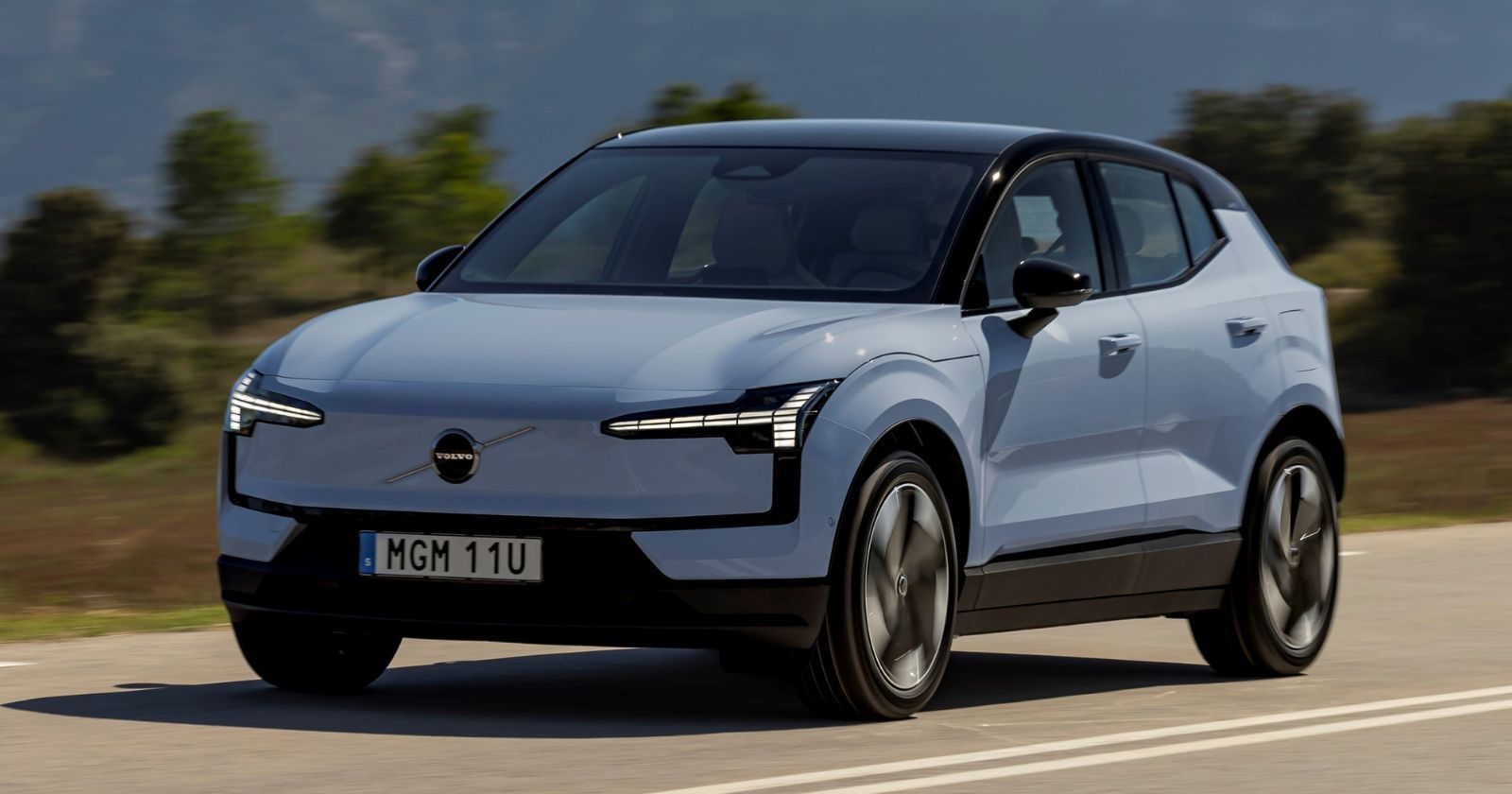

Volvo has built its name on one thing above everything else: safety. That’s exactly why its latest move feels bigger than just another recall.
The company is pulling back over 40,000 units of its electric SUV, the EX30, after identifying a risk of overheating in the battery pack. The issue affects both the single-motor extended range and twin-motor performance versions, making this a widespread fix rather than a limited correction.
Owners are already being contacted, and Volvo has made it clear that the fix will be done at no cost. Still, the timing couldn’t be more critical.
What’s Actually Happening Under the Hood
The problem traces back to specific battery modules used in these vehicles. Under certain conditions, these modules could overheat, which in worst-case scenarios increases the risk of fire.
Now, to be fair, EV battery recalls aren’t unheard of. The technology is still evolving, and even major manufacturers have faced similar setbacks. But here’s the difference. When it’s Volvo, expectations are higher.
As a temporary measure, the company has asked owners to limit charging to 70% and avoid parking near buildings. It’s a cautious step, but one that signals how seriously the issue is being treated.
The Cost Is More Than Just Financial
On paper, the numbers are already significant. Industry estimates suggest the replacement of battery modules could run into hundreds of millions of dollars. And that’s before you factor in logistics, service operations, and customer support.
But the real cost sits somewhere else.
Volvo doesn’t just sell cars. It sells trust. And when a safety-related issue surfaces, it hits at the core of what customers believe they’re buying into.
The EX30, in particular, isn’t just another model in the lineup. It’s central to Volvo’s push into the electric future, especially as competition heats up with more affordable options coming out of China.
Customers Are Feeling the Impact
For many owners, the issue isn’t theoretical. Limiting charging to 70% directly affects driving range, which changes how the car fits into daily life.
Some customers have already voiced frustration. A few are even considering returning their vehicles, not just because of the inconvenience, but because of shaken confidence.
That reaction matters. In today’s EV market, switching brands isn’t a big leap.
What This Means for Volvo Going Forward
Here’s the thing. A recall doesn’t define a company. How it responds does.
Volvo has moved quickly to acknowledge the issue, roll out a fix, and communicate interim safety steps. That’s a strong start. But the real test is consistency. Clear updates, fast execution, and zero ambiguity.
Because at this level, people aren’t just watching what Volvo says. They’re watching what it does.
If handled right, this could end up reinforcing trust rather than damaging it. If not, it risks becoming a crack in a reputation that’s taken decades to build.
And for a brand like Volvo, that’s not a small thing.

Comments are closed.