
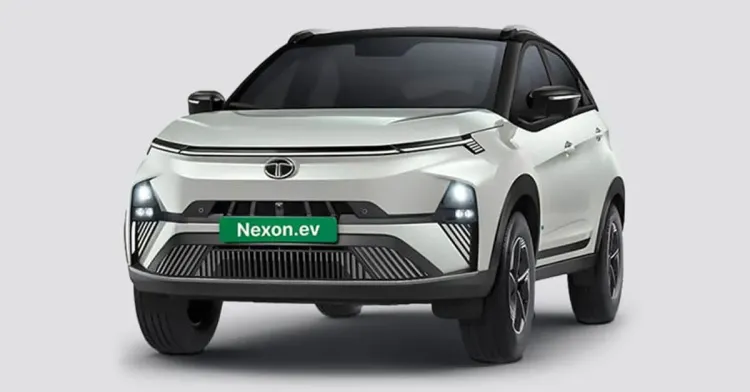

Electric vehicles (EVs) continue to sell well in India. MG Motor India, Tata Motors and Mahindra are the major players in the segment. Data from January 2026 reveals that the Tata Nexon.EV has outsold the MG Windsor to become India’s best-selling electric vehicle.
Tata Nexon.EV Outsells The MG Windsor In January
Data put out by AutoPunditz says that 3,098 Nexon.EVs were sold in January. That’s roughly 19% of all EV sales in the month. MG Windsor, on the other hand, posted sales of 2567 units- 531 units less than the electric Nexon. That’s 15.6% of the total EV sales.
The Nexon.EV and Windsor EV have been competing with each other for a very long time. MG launched the Windsor in India in the second half of 2024. It rose to acceptance in no time, and outsold the Nexon.EV in the very next month. It needs to be noted that at that point in time, the Nexon.EV was a familiar electric SUV and the Windsor was mostly a new-face.
In the months that followed, we saw the two EVs fight fiercely with each other, and the rankings shifting, mostly in favour of the Windsor.EV. For several consecutive months, the Windsor sold more units than the Nexon.EV. In May last year, MG added a long range version to thew Windsor lineup- the Windsor Pro. This increased its appeal further, leading to even more sales.
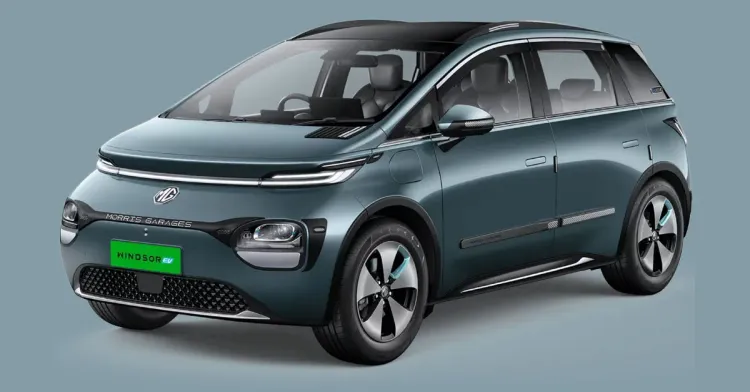
When we look at last year’s numbers, Tata Motors managed to sell 24,612 units of the Nexon.EV while Windsor numbers stood at 42,356- Windsor and Windsor Pro combined. The MG had a lead of around 42%. The January numbers could thus be signaling an imminent reversal in trend and buyer preferences. Some also see it as a positive sign of maturity in the Indian EV market. The way the duo performs in the coming months will give us more clarity on the actual market dynamics.
MG Windsor EV & Tata Nexon.EV: Why Are They So Popular?
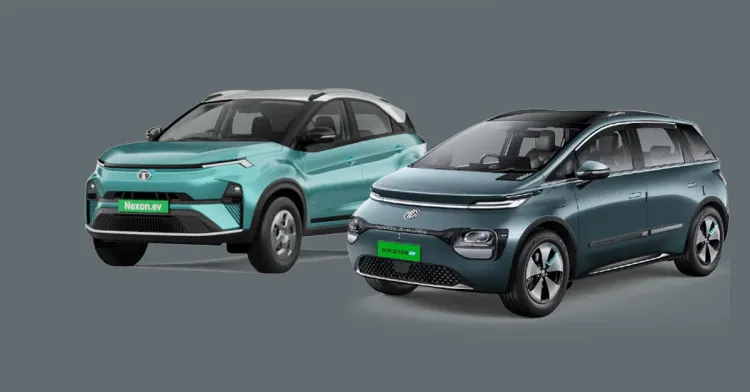
The Windsor, particularly the Pro variant, comes well packaged. It is roomy, comfortable and tech-heavy. Despite having an odd-looking exterior design, this MG EV impressed many with its comfort and cabin experience. Pricing was another major hook. MG even offers BaaS (Battery as a Service) scheme on it, which helps in optimising its upfront costs further. The Windsor EV starts at Rs 14 lakh and goes up to Rs 18.50 lakh, both ex-showroom and without BaaS.
The Tata Nexon.EV, on the other hand, was the first affordable electric SUV to go on sale here. It has been in the market for long. Even the outgoing model is very familiar to most people. It comes with two battery pack choices- 30 kWh and 45 kWh. Competitive pricing, wide range of available variants, and smart packaging are what the Nexon.EV uses to impress the crowd. It is now priced in the range of Rs 12.49- Rs 17.49 lakh, ex-showroom. On pure pricing front, the Nexon.EV has an edge over the Windsor.
EV Rankings: January 2026
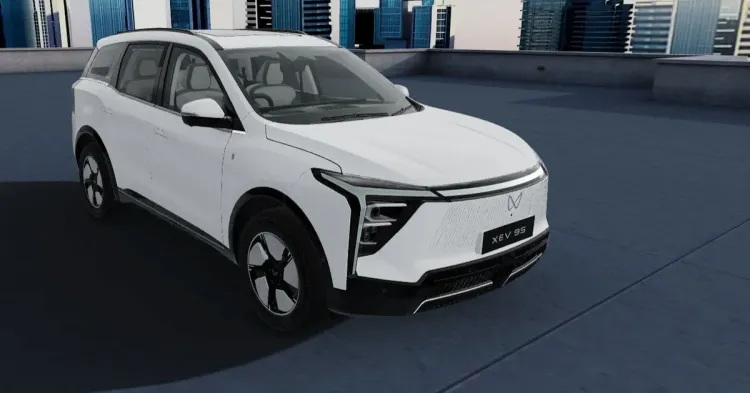
Circling back to the January rankings, we have Tata Harrier.EV at the third and Mahindra XEV 9e at the fourth spots. Both these are priced in the range of Rs 20-30 lakh or beyond. They aren’t really ‘budget EVs’. The electric Harrier posted sales of 1995 units, while 1945 units of the XEV were sold during the period. The trend now leans towards increasing adoption of EVs that don’t sit on the affordable side of things. At the fifth spot is the Tiago.EV, which sold 1223 units during the period.
The next five positions (6-10) are occupied by the Tata Curvv (1100 units), BE6 (1028 units), Punch.EV (980 units) , MG Comet (766 units, and the XEV 9S. Interestingly the XEV 9S sold just 612 units in January.

Comments are closed.