
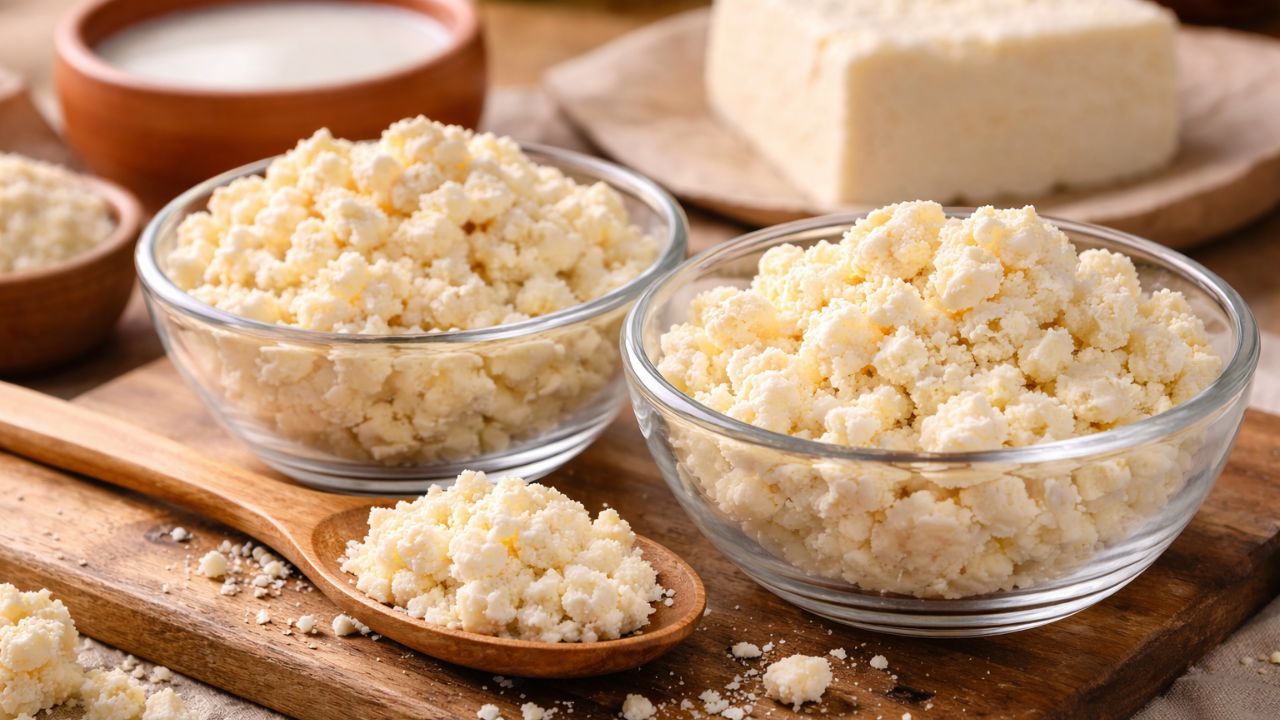
Attention Fake Mawa on Holi can spoil your health; Catch adulteration at home with these 5 tricks

Holi Sweets Testing At Home: It is impossible not to make Gujiya at home during Holi. But the mawa available in the markets during festivals is adulterated and synthetic. In which things like chalk, urea and detergent are used which can harm our health. In such a situation, it is important to check the mawa while keeping your health in mind.
Seeing the huge demand for sweets on Holi, adulterators become active. Often, to increase the weight of mawa and make it appear white, starch, potato, sweet potato or other dangerous chemicals are added to it. To stop this mess with your health, you can do some easy tests at home.
Ways to identify adulterated mawa
rub it on the palm
Take some mawa and rub it on your palm. If it releases ghee when rubbed and it smells like real ghee then the mawa is pure. Adulterated mawa will feel sticky when rubbed and will not have any natural smell.
iodine test
This is the most scientific way to check the purity of mawa. Boil some mawa in water and after it cools down, add two drops of iodine solution in it. If the color of mawa turns blue then understand that a large amount of starch or potato has been mixed in it.
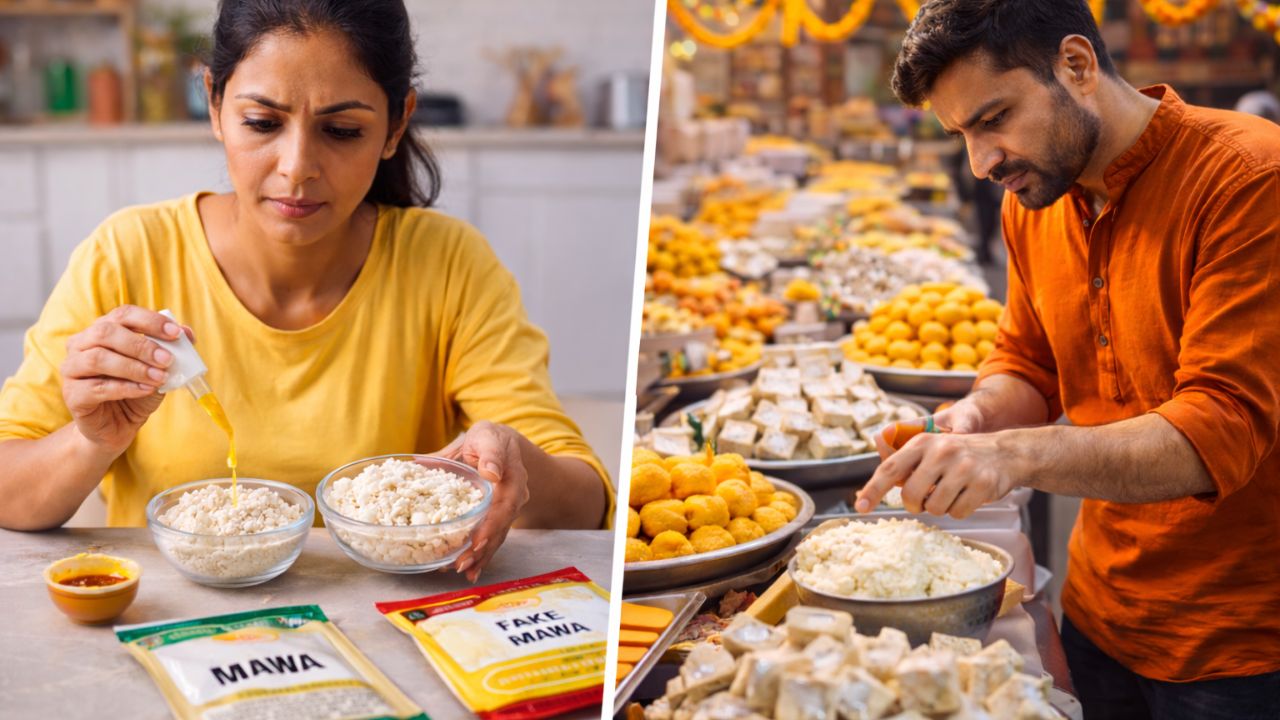
Symbolic photo (Ms. AI)
Also read:- Holi 2026: Do not make these 5 mistakes while choosing outfits on Holi, otherwise the fun of colors will become punishment!
Taste and texture
Real mawa is very mild to eat and slightly grainy. When chewed it will not stick to your teeth or palate. If the mawa is sticking to the mouth or stretches like rubber, it may be adulterated with flour or other binding agents.
boil with sugar
Take some mawa and heat it with some sugar. If mawa starts releasing water when heated then it is a sign of adulteration. Pure Mawa releases ghee when heated and gives a distinct shine.
sulfuric acid test
This is a slightly advanced test. Take some mawa in a test tube and add a few drops of sulfuric acid in it. If the color appears purple or red, it may contain adulteration of dangerous chemicals like urea or detergent.
On Holi, try to buy mawa only from trusted dairies or familiar shops. If possible, prepare khoya at home by burning milk. A little vigilance on your part can save your family from food poisoning and serious stomach diseases.

Comments are closed.