
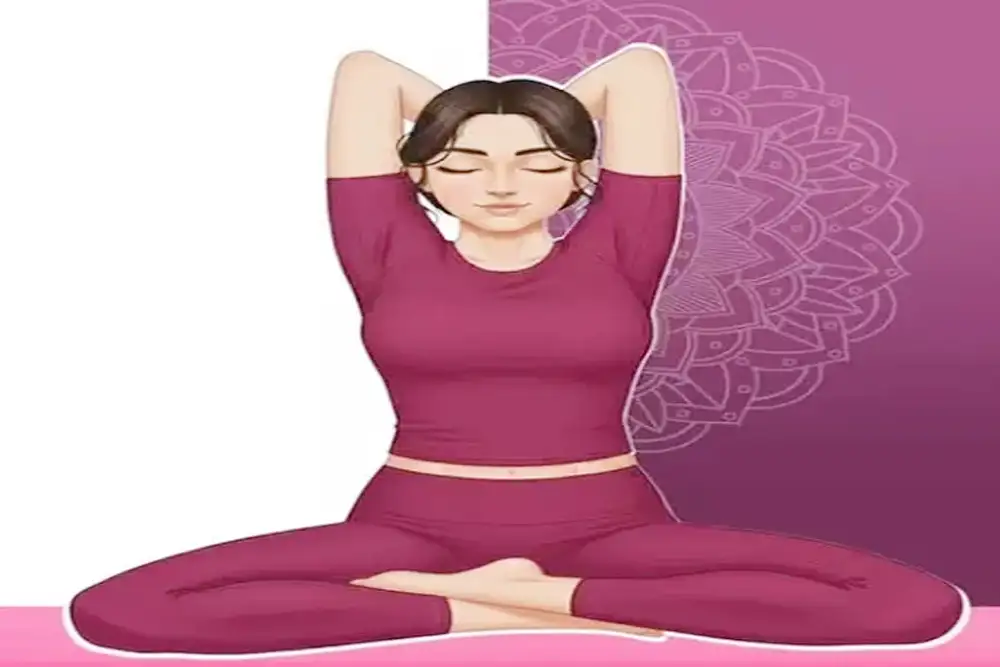

Importance of Sarvangpushti Asana
Nowadays, lifestyle has become so irregular that along with physical health, mental health is also being affected. Experts suggest that one should practice yoga for 10 to 15 minutes daily, which proves helpful in eliminating many types of physical and mental problems.
Morarji Desai National Institute of Yoga gives information about a particular asana, Sarvangpushti Asana. This asana is helpful in making the entire body strong and healthy. It activates all the organs of the body, thereby improving blood circulation, muscle strength and overall health.
Use of Sarvangpushti Asana in modern life
In today’s fast-paced life, where physical problems like back pain, obesity and spine problems have become common due to sitting, stress and irregular daily routine, Sarvangpushti Asana is extremely beneficial. It not only increases physical but also mental energy, making it easier to face the challenges of life.
Benefits of Sarvangpushti Asana
Regular practice of this asana strengthens the spine, which provides relief from waist and back pain. It tones the muscles of the body, especially helps in reducing fat in the waist, abdomen and legs. Better blood circulation improves the skin and also strengthens immunity.
Its regular practice improves problems like obesity, constipation and physical weakness. It is also helpful in increasing the height of children and in the physical development of youth. Additionally, it relieves joint stiffness, increases flexibility and maintains energy levels by reducing fatigue and stress.
How to practice Sarvangpushti Asana
Sarvangpushti Asana looks simple, but it must be done correctly and under the supervision of a yoga expert. This asana should be avoided if there is any injury to the neck, back or shoulders, high blood pressure, headache, severe heart disease or recent surgery. It should also not be done by pregnant women and during periods. Don’t do it for long in the beginning and concentrate on breathing. If you feel dizzy or uncomfortable, stop immediately. Always practice it on an empty stomach or after light exercise.

Comments are closed.