
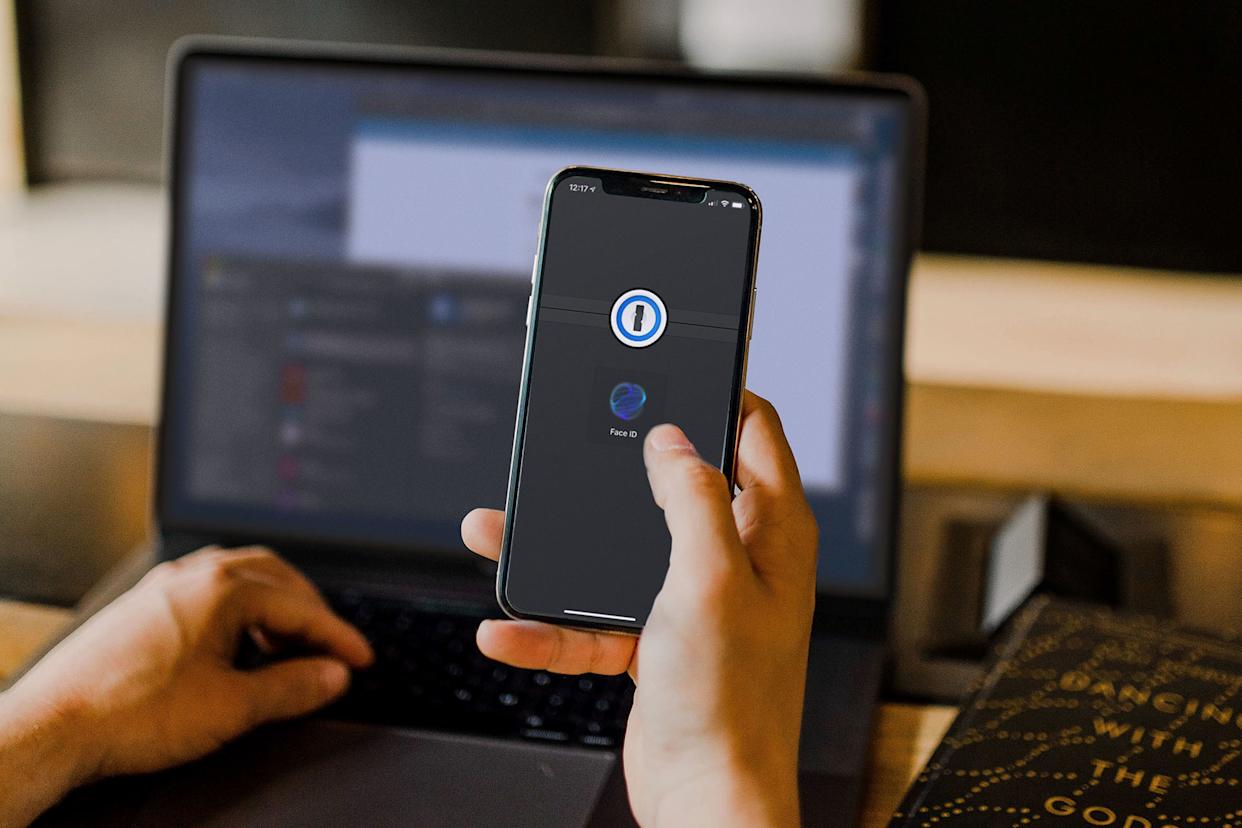

In the world of subscription services, a price increase is often treated as an inevitability. Yet, for 1Password, the Toronto-based security giant that has served as a digital vault for millions since 2005 the recent announcement feels like the end of an era. On February 24, 2026, the company began notifying its global user base that subscription plans will become significantly more expensive starting next month.
While the company justifies the move as a necessary step to fund “innovation and world-class security,” the hike marks a stark departure from the stable pricing model that helped it build one of the most loyal followings in the cybersecurity industry.
The price adjustment is not a one-size-fits-all percentage, but rather a flat $12 annual increase across its primary consumer tiers. For long-term users, the math looks like this:
Individual Plan: Increasing from $35.88 per year to $47.88 per year. This represents a substantial 33.4% jump, effectively moving the monthly cost from $2.99 to roughly $4.00.
Family Plan: Increasing from $59.88 per year to $71.88 per year. For families (which cover up to five users), this is a 20% increase, bringing the monthly average to approximately $6.00.
While the “dollar a month” increase might seem nominal to some, the percentage-based jump for individual users has triggered a wave of “subscription fatigue” among enthusiasts who have enjoyed the same rates for nearly a decade.
The “Why Now?”: Innovation and the AI Mandate
In its official communication, 1Password has been quick to point out that its pricing has remained “largely unchanged for many years.” The company is positioning this hike as an “investment in the future,” specifically focusing on the shift toward AI-powered security and infrastructure.
The core of the justification rests on several recently launched and upcoming features:
AI-Powered Item Naming: A feature that uses machine learning to intelligently categorize and label new logins, reducing the “admin work” of managing a vault.
Proactive Phishing Protection: Real-time detection systems that alert users when they are about to fill credentials into a suspicious or spoofed domain.
Watchtower 2.0: An enhanced version of their breach-monitoring tool that now offers deeper insights into “Shadow IT” (unauthorized apps) and compromised passkeys.
Passkey Integration: Extensive R&D into the passwordless future, which requires ongoing infrastructure updates to remain compatible with evolving standards from Apple, Google, and Microsoft.
Timing and the Renewal “Grace Period”
The new pricing officially goes into effect on March 27, 2026. However, not every user will see their bill change immediately.
1Password has confirmed a “grace period” based on your renewal cycle. If your subscription is set to renew before March 27, you will be grandfathered into the current, lower rate for one additional year. If your renewal falls on or after that date, you will be billed at the new $47.88 or $71.88 rate.
For users in Europe, the transition is slightly more complex due to consumer protection laws. Account owners will reportedly be required to manually approve the price increase; failure to do so before the renewal date could result in an automatic cancellation of the subscription to prevent unauthorized charges.
The timing of this increase is risky for 1Password, as the competition has never been more fierce. While 1Password remains the “gold standard” for cross-platform polish, several rivals are currently positioned as high-value alternatives.
The 1Password price hike is reflective of a broader trend in the software-as-a-service (SaaS) industry. As companies move away from venture capital-fueled growth toward profitability and AI R&D, the consumer is increasingly being asked to foot the bill.
For many, the $12 annual increase is a small price to pay for the peace of mind that comes with a company that has a stellar security track record. For others, this may be the final push needed to migrate toward open-source or bundled alternatives.

Comments are closed.