
Alarming pollution in Dehradun rivers: Aquatic life and birds at risk, Brazil university report reveals threat

Dehradun: Dehradun’s rivers, once lifelines of the city, are now facing a frightening future. A recent report by the Federal University of Sao Paulo, Brazil, has revealed that rivers across the world, including those in Uttarakhand, are being destroyed by pollution.
The study found that 46 percent of the world’s rivers are contaminated, including the Ganga and Yamuna.
Rispana, Bindal, Asan, and Sasua rivers have been severely polluted by plastic waste
In Dehradun, the Rispana, Bindal, Asan, and Sasua rivers have been severely polluted by plastic waste. Methane gas released from garbage dumped along the riverbanks is poisoning the water and harming the environment. Experts warn that if the situation continues, aquatic plants, fish, and migratory birds could vanish from these rivers.
Asan River is now turning into a heap of plastic waste
Science communicator Vijay Bhatt, a member of the Doon Science Forum Bharat Gyan Vigyan Samiti, explained that the Asan River, once a wintering ground for migratory birds, is now turning into a heap of plastic waste. He said the Rispana and Bindal rivers, once landmarks of the city, have already lost their identity and resemble dirty drains carrying sewage and garbage.
Plastic waste has blocked the natural flow of these rivers, creating stagnant pools of contaminated water. This has made conditions worse for aquatic plants and animals.
Harmful gases released from waste are destroying aquatic plants
Bhatt warned that chemicals and harmful gases released from waste are destroying aquatic plants. When plants fail to thrive, aquatic animals lose their food and oxygen, leading to a destructive cycle. Dead aquatic creatures are sometimes found along the riverbanks, showing the severity of the crisis.
He added that increasing human activity around rivers and poor waste management are worsening the problem. If not addressed, the pollution could disrupt the entire ecosystem.
Global concern
The Brazilian report also highlighted the pollution of major rivers like the Ganga, where six million tons of waste are dumped every year. This global crisis reflects how unchecked human activity is damaging water bodies everywhere.
Urgent steps are needed to manage waste
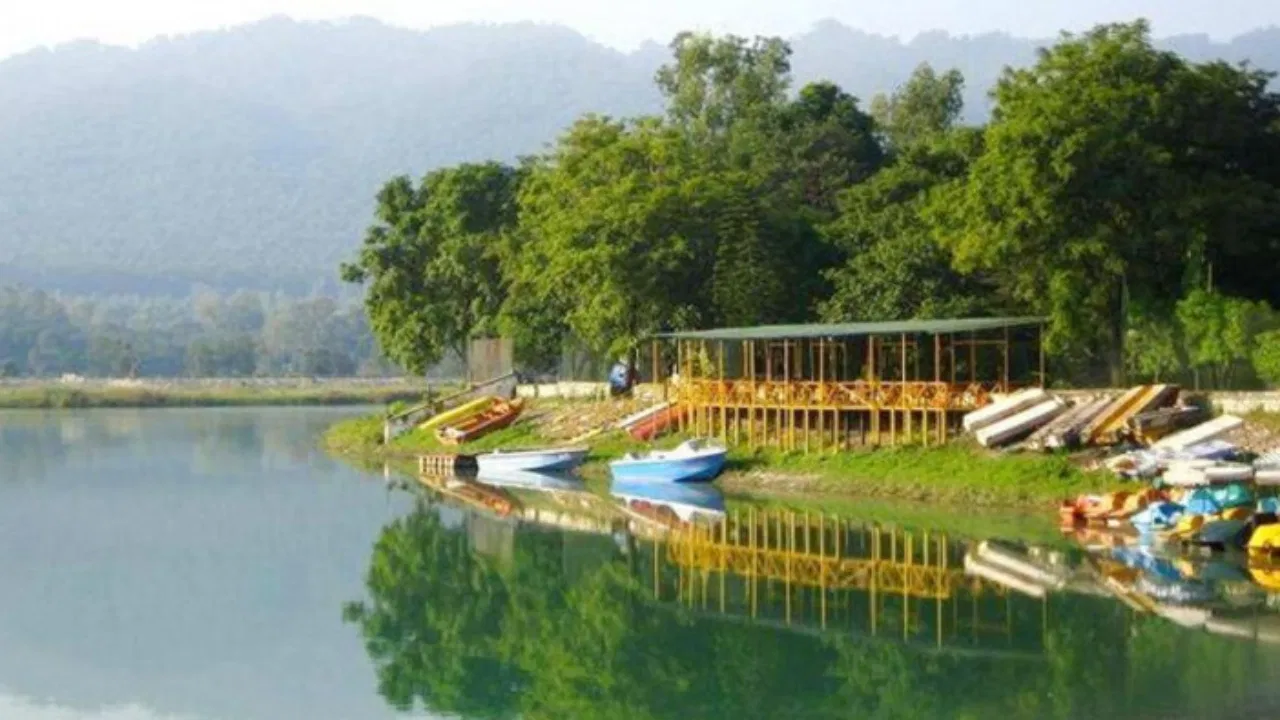
For Dehradun, the danger is immediate. The Asan River, known for attracting migratory birds from abroad during winter, may lose its ecological importance if pollution continues.
Experts emphasize that urgent steps are needed to manage waste, restore river flow, and protect aquatic life. Without intervention, Dehradun’s rivers could face irreversible destruction, affecting not only the environment but also the city’s cultural and natural heritage.

Comments are closed.