
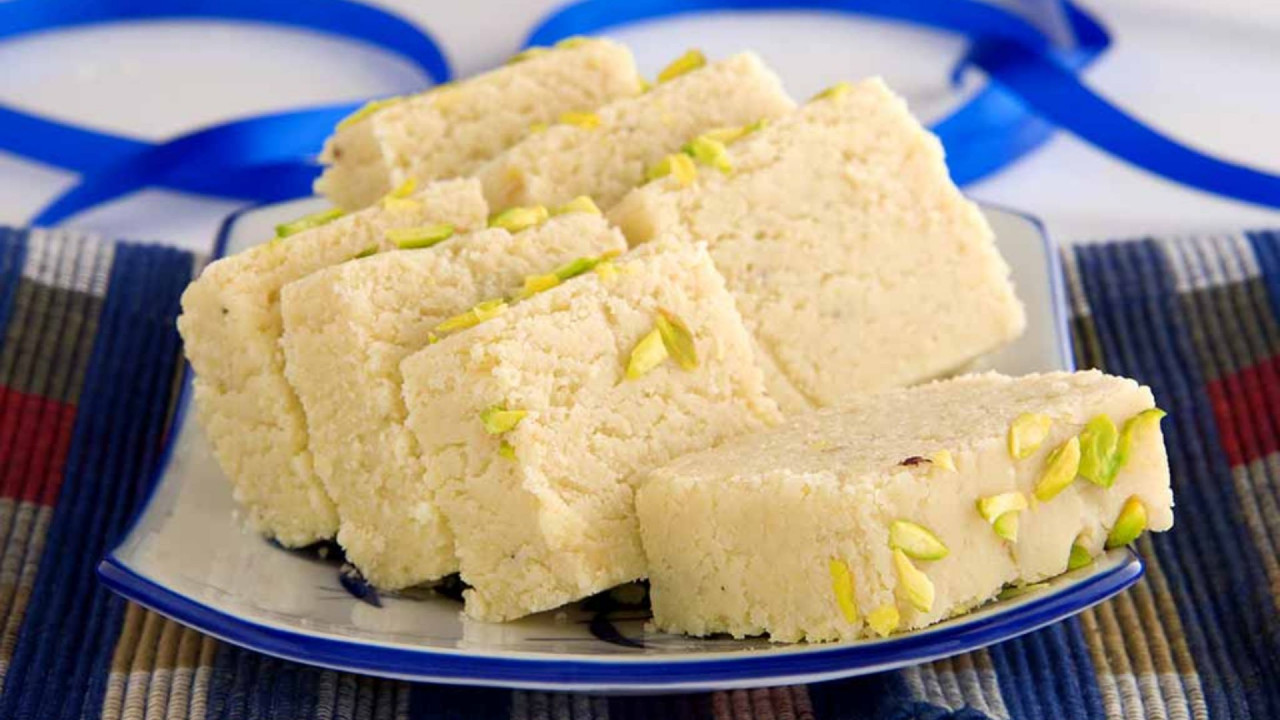
Holi 2026: Is your Mawa safe? 9 quintals of poisonous mawa seized in Kanpur, identify its purity at home with these 5 methods

Holi 2026: During the festival of Holi, sweets made from Mawa like Gujiya, Malpua and Peda are everyone’s favourite, but due to adulteration, many times fake or adulterated Mawa comes in the market, which can be dangerous for health. Recently a similar case has come to light from Kanpur.
Big action in Kanpur
Before Holi, Food Safety and Drug Administration (FSDA) took major action in Kanpur. In a raid at Panki railway station on Wednesday, about 9 quintals of adulterated mawa brought by Etawah-Kanpur passenger train was seized. Its price was around Rs 3.42 lakh. Mawa was wrapped in dirty clothes and was in very unhygienic condition.
No owner came forward, so it was immediately taken to a garbage disposal plant and destroyed. Adulterated edible oil was also seized, the total value of which was around Rs 29.8 lakh. This action was taken on the instructions of the District Magistrate, so that people can get safe food during festivals.
What adulteration is done in Mawa?
According to experts, things like starch, vegetable fat, chalk powder and blotting paper are mixed in making fake mawa. Starch increases volume, chalk powder adds shine to the color and vegetable fat changes the texture. In such a situation, it is important to check the Mawa at home.
5 easy ways to check the purity of Mawa at home
1. Iodine Test (Starch Test)
According to FSSAI, take one spoon of mawa and add it to hot water. Add some iodine to it. If the mixture turns blue, starch has been added to the mawa. If there is no blue color then the mawa is pure.
2. Sulfuric Acid Test (Test of Chemicals)
Take a small piece of mawa and add some concentrated sulfuric acid to it. If purple color is formed, then the mawa may contain harmful chemicals like formalin.
3. Hand rubbing test (freshness and texture)
Rub some mawa on your hands while purchasing it. Pure mawa is oily and grainy, leaves grease on the hands and has a slight sweetness. If this does not happen, adulteration is suspected.
4. Hydrochloric Acid and Sugar Test (Vegetative Test)
Mix 2 tablespoons hydrochloric acid and 1 tablespoon sugar in mawa. If the mixture turns red, vanaspati (vanaspati ghee) has been added.
5. Testing by heating with sugar
Heat the mawa in a pan and add 1 tablespoon sugar. If water starts separating when sugar melts, then mawa is adulterated.
With these simple methods you can check the Mawa at home. Always buy from a reliable shop and take care of your health during festivals. Make Holi sweets from safe mawa and feed it to everyone.

Comments are closed.