
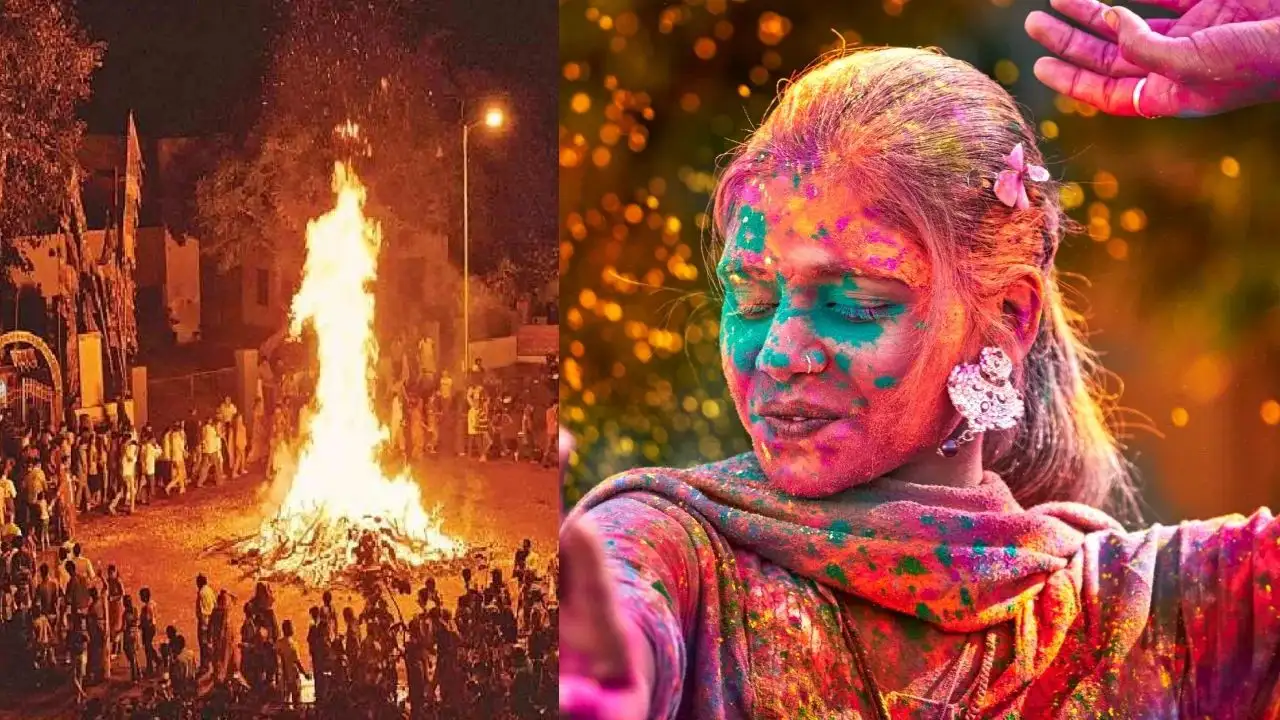

Holi festival: festival of colors and happiness
New Delhi: The festival of Holi is a symbol of colors, happiness and love, which will be celebrated this year on 4 March 2026. Colours, Gujiyas and Pichkaris are being sold in the markets with great enthusiasm, and new couples are excited about their first Holi. According to Indian tradition, girls celebrate their first Holi after marriage at their parents’ house and not at their in-laws’ house. This age-old tradition is still alive in many families. Let us understand the reasons behind this.
Holika Dahan: Symbol of victory of goodness
An important part of Holi in Hinduism is Holika Dahan, which is considered a symbol of the victory of good over evil. But it is considered inauspicious for a newly married daughter-in-law to see Holika Dahan in her in-laws’ house. In many places it is called Holika’s funeral pyre, and it is not considered appropriate to see it after an auspicious event like a wedding. It is believed that this can have a negative impact on marital life or create unrest in the home.
Sourness in the relationship between mother-in-law and daughter-in-law
A major belief is related to the mother-in-law and daughter-in-law relationship. It is said that if mother-in-law and new daughter-in-law watch Holi burning together, bitterness or estrangement may arise between them. The effect of fire is very strong, hence to avoid sourness in relationships, the daughter-in-law is sent to her maternal home. Due to this, the relationship between mother-in-law and daughter-in-law remains strong and cordial from the beginning.
Emotional benefits: New bride’s visit to her maternal home
Additionally, it is believed that celebrating the first Holi at one’s maternal home makes the child healthy, fortunate and strong. It is believed to be associated with family growth and family prosperity. Also, visiting the maternal home is also emotionally beneficial for the new bride, as she gets the opportunity to spend time with her parents and siblings, which reduces post-wedding stress.
Husband also goes to his maternal home and celebrates Holi with his wife.
This tradition shows the love and respect of the mother’s house towards the daughter, that even after marriage, her full rights remain on the mother’s house. In many families, husbands also celebrate Holi with their wives by going to their maternal home, which further strengthens the bond between them. This custom is not just superstition, but a way to nurture relationships and protect them from negative energy. In today’s time, some people believe in it, while some do not, but it shows the beauty of Indian culture that festivals not only bring happiness but also respect family and traditions.

Comments are closed.