
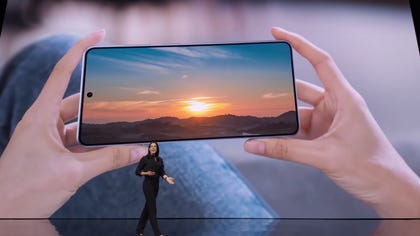

In the tech world, the Samsung Galaxy Unpacked event is usually the “Samsung Show” a carefully choreographed parade of curved glass, titanium frames, and the latest iteration of One UI. However, on February 25, 2026, a surprise guest nearly stole the spotlight from the S26 Ultra. Sameer Samat, President of the Android Ecosystem at Google, took the stage to drop a series of bombshells about the “next chapter” of the mobile experience: Android 17.
This wasn’t just a generic “we love our partners” cameo. It was a strategic unveiling of a fundamental shift in how we use our phones, moving away from a traditional operating system toward what Samat calls an “Intelligent System.”
While the Galaxy S26 series was the hardware hero of the day, Google used the platform to confirm that Android 17 has already entered its early beta phase as of February 2026. This accelerated timeline, aiming for a finalized version by May and a stable release in June 2026 suggests that Google is no longer content with the slow-burn release cycles of the past.
Samat’s tease was centered on a single, provocative idea: the “Operating System” is dead. In its place, Google is building a platform that doesn’t just host apps but understands them. By rebuilding Android with AI at its core, Google is preparing to launch a version of the software that feels less like a digital filing cabinet and more like a proactive personal assistant.
The Rise of “Agentic AI”
The most exciting and perhaps slightly unnerving revelation was the concept of Agentic AI. For years, AI has been reactive: you ask a question, it gives an answer. In Android 17, Google is moving toward “Gemini Automation.”
During a live demo that felt like science fiction, Google showed Gemini handling a chaotic family group chat about a Friday night pizza order. Instead of the user switching between WhatsApp and a delivery app, Gemini interpreted the thread, identified the preferred toppings, built the order, and prepared the checkout cart in a virtual window. This “screen automation” capability, which is reportedly tied to the upcoming Android 16 QPR3 and will be fully realized in Android 17, allows the AI to “see” what’s on your screen and act on your behalf.
Circle to Search Gets a Gemini 3 Brain Transplant
If you thought Circle to Search was already impressive, Android 17 is taking it to a multi-dimensional level. Powered by the new Gemini 3 model, the feature is evolving into a “multi-search” powerhouse.
In the demo, a user circled a celebrity’s entire outfit. Rather than just finding the jacket, the AI identified every individual element from the sunglasses to the sneakers and curated a list of similar items to recreate the look. This is part of the broader “intelligent system” philosophy: the phone isn’t just searching for a picture; it’s understanding the context of the user’s intent.
The Samsung-Google Shield: On-Device Scam Detection
Privacy was a major theme of the 2026 Unpacked event, and Google is leaning heavily into it for Android 17. One of the standout features coming to the Galaxy S26 (and eventually all Android 17 devices) is On-Device Scam Detection.
Using a specialized, lightweight Gemini model that runs entirely on your phone (no data sent to the cloud), the Phone app can now listen for common linguistic patterns used by scammers during a live call. If the AI detects a red flag like an unusual request for a PIN or a sense of “false urgency” it will trigger a haptic and audio alert to warn the user in real-time. It’s a “guardian angel” feature that leverages AI for practical, everyday security.
Perhaps the most surprising aspect of the announcement was the spirit of “Openness.” While Google is clearly pushing Gemini, the Galaxy S26 series will actually ship with three AI agents: Bixby, Gemini, and a new partner, Perplexity AI.
This “choice-first” approach is a cornerstone of the Android 17 philosophy. Samsung’s “Now Nudge” which surfaces relevant info like flight updates or calendar conflicts will work alongside Google’s “Magic Cue” to ensure that the user stays in their “flow” without being tethered to a single ecosystem.
With Android 17 mostly finalized by May, the industry is looking toward Google I/O 2026 for the full reveal of the “tentpole” features. However, by choosing the Samsung stage to tease the future, Google has made one thing clear: the Galaxy S26 and the upcoming Pixel 10 are the primary vessels for this revolution.
The message Sameer Samat left the audience with was simple but effective: “Android is always where you see the future first.” If the Agentic AI demos are any indication, that future is going to involve a lot less app-switching and a lot more letting our phones do the “heavy lifting.”

Comments are closed.