
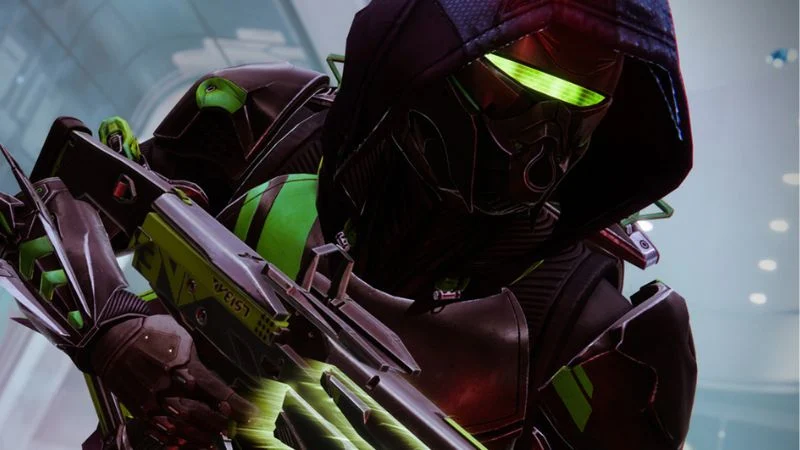

The Marathon Server Slam was a limited-time public stress test for Marathonthe upcoming sci-fi extraction shooter developed by Bungie. Designed to push the game’s online systems to their limits, the Server Slam allowed thousands of players to log in at the same time and test how well the servers handled real-world pressure. It was not just a demo. It was a technical rehearsal for launch.
What Is Marathon?
Marathon is a team-based extraction shooter set in a futuristic world. Players control cybernetic mercenaries known as Runners who explore dangerous zones, gather valuable loot, and attempt to extract safely. If they die before escaping, they lose their gear. That high-risk, high-reward structure is the core of the experience.
Bungie, the studio behind Destiny and Halo, is building Marathon as a competitive multiplayer title with strong live-service support. Because of its online focus, server stability is extremely important. That is where the Server Slam comes in.
What Is A Server Slam?
A Server Slam is a large-scale stress test. Unlike a closed beta, which often limits player numbers, a Server Slam invites as many players as possible to join within a short window of time.
The main goals are simple:
Test server stability under heavy load
Identify matchmaking issues
Monitor latency and connection performance
Gather feedback on gameplay systems
Detect bugs that only appear at scale
By encouraging massive participation, developers can simulate launch-day conditions. If something breaks, it is better to discover it early rather than after release.
When Did The Marathon Server Slam Take Place?
The Marathon Server Slam happened over a limited weekend window. It was time-bound, meaning players had to participate during specific hours. This design increases traffic concentration and creates realistic stress conditions.
Because the event was short, many players logged in at once. That helped Bungie collect valuable performance data in a condensed period.
Who Could Participate?
Participation was open to players who met platform requirements. Depending on the event setup, access could involve:
The goal was accessibility. A Server Slam works best when a wide range of players, devices, and internet connections are involved. More diversity means more accurate stress results.
What Content Was Available During The Server Slam?
The Marathon Server Slam did not include the full game. Instead, it offered a curated slice of content meant to showcase core systems. Players typically experienced:
This focused approach ensures players interact with the most important technical systems, such as:
Lobby creation
Squad formation
Loot collection
Extraction timing
Combat synchronization
Each of these systems generates server traffic. Testing them together reveals weaknesses quickly.
Gameplay Experience During The Event
Players reported intense firefights, strategic movement, and high tension during extractions. Because gear loss is permanent within a match, every decision carries weight.
During peak hours, some players experienced:
Login queues
Connection drops
Delayed matchmaking
Minor lag spikes
These issues are common in stress tests. In fact, encountering them proves that the test is doing its job. Developers monitor these patterns and adjust infrastructure accordingly.
Why The Marathon Server Slam Matters
The importance of a Server Slam goes beyond temporary access. It directly impacts launch quality.
Here is why it matters:
It protects the full release from catastrophic failures
It improves matchmaking speed and reliability
It ensures fair competitive balance through latency tuning
It gives developers live data from real players
Modern multiplayer games rely heavily on backend systems. Even if gameplay mechanics are polished, unstable servers can damage a game’s reputation instantly. A Server Slam is a preventative measure.

Comments are closed.