
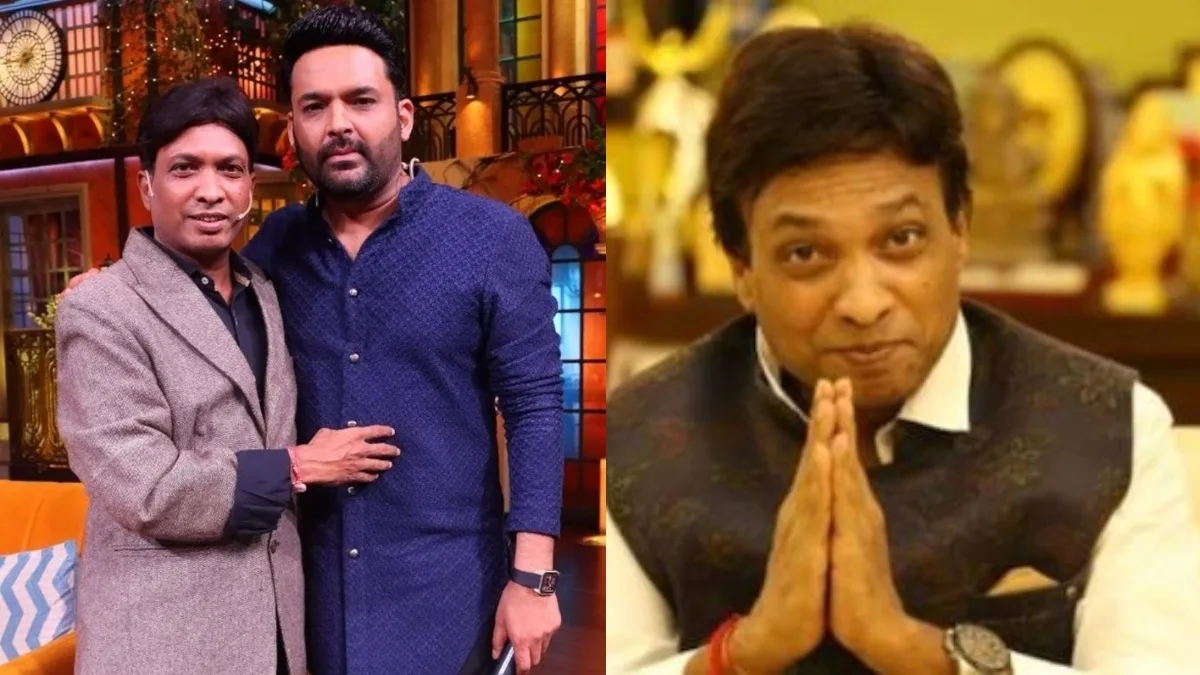

Comedian Sunil Pal has taken a playful dig at The Great Indian Kapil Show, making comments about the programme’s popularity and format that quickly gained attention on social media. While his remarks were delivered with humour, they reflect ongoing conversations within the comedy community about television content, competition, and audience tastes.
During a recent conversation, Pal joked that the show’s appeal resembles that of a langar, a term associated with community meals in Punjabi and Sikh tradition, suggesting that “half of Punjab is on it.” His comment was shared widely, and many interpreted it as a light-hearted critique of the show’s reach and content style rather than a serious attack. The remark also underscores the fact that television talk and comedy shows often become subjects of banter among comedians and entertainers themselves.
The Great Indian Kapil Show features comedian Kapil Sharma in a format that blends celebrity interviews, sketches, and audience interaction. Since its launch, the show has drawn a significant viewership, with episodes trending based on guest stars and quirky segments. It has become a staple of the Indian entertainment landscape, especially for audiences who enjoy comedy that merges celebrity culture with humour.
Sunil Pal’s joke about the show being like a langar taps into how popular programming often becomes a topic of conversation among entertainers. His reference to Punjab, known for its rich culture and strong connection to food traditions, added a regional flavour to the commentary. In the world of comedy, such comparisons are usually meant to provoke laughter rather than fuel rivalry.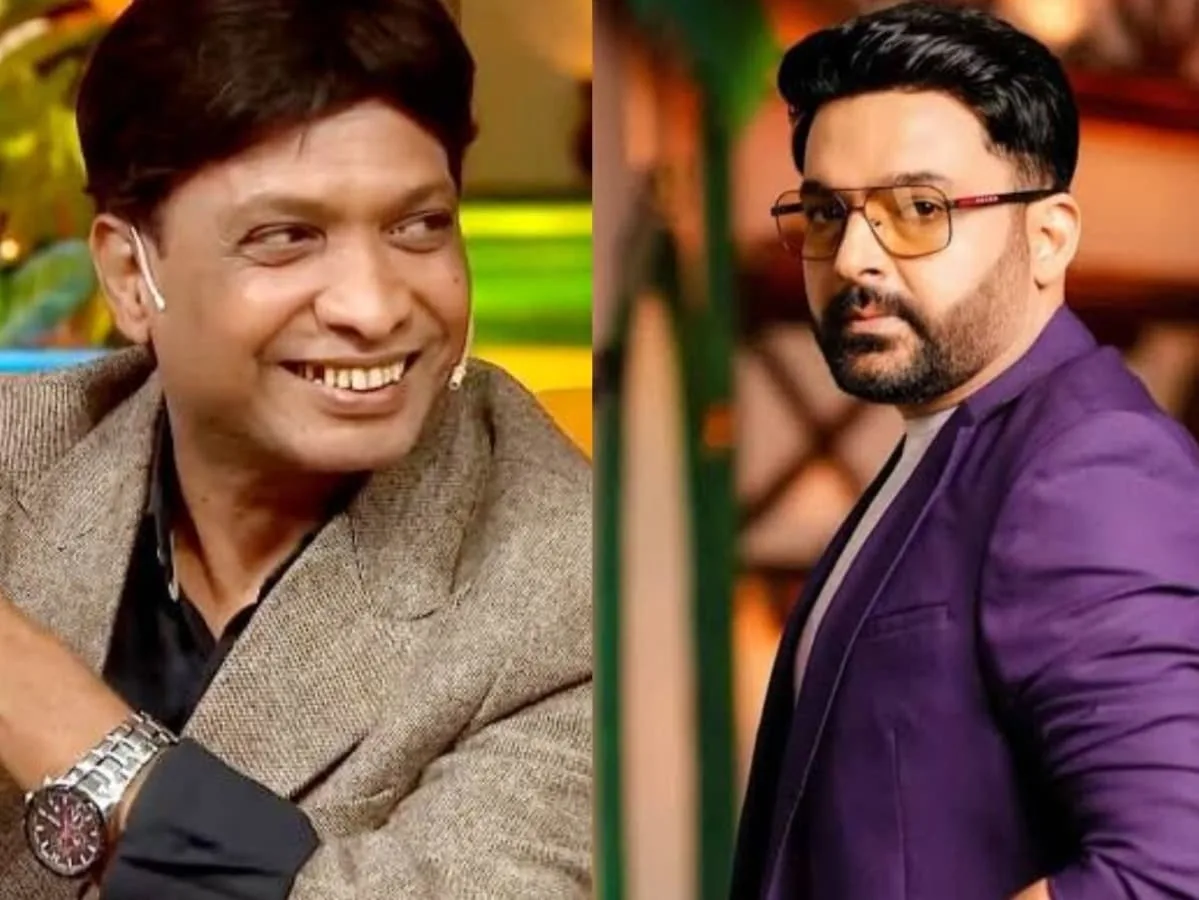
Pal’s remarks also coincided with broader discussions about how comedy formats are evolving. With the rise of streaming platforms and online content, comedians have more avenues to showcase their work, leading to differing opinions on what constitutes “good” or “original” humour. Some performers embrace digital platforms and unconventional formats, while others continue to value traditional television stages and live audiences.
Sunil Grover, another well-known comedian, has also contributed to the conversation around comedy formats, particularly with his work on streaming platforms. His Netflix specials and diverse range of characters have demonstrated how comedians are experimenting with varied styles and content delivery methods. These shifts have expanded the definition of contemporary comedy and opened up dialogues about creative freedom and audience engagement.
Audience reactions to Pal’s commentary were mixed. Many fans took the joke in stride, appreciating the humour and recalling other instances where comedians playfully commented on their peers’ work. Some lauded Pal for his boldness and wit, while others felt the joke, though humorous, reflected the competitive nature of the entertainment industry.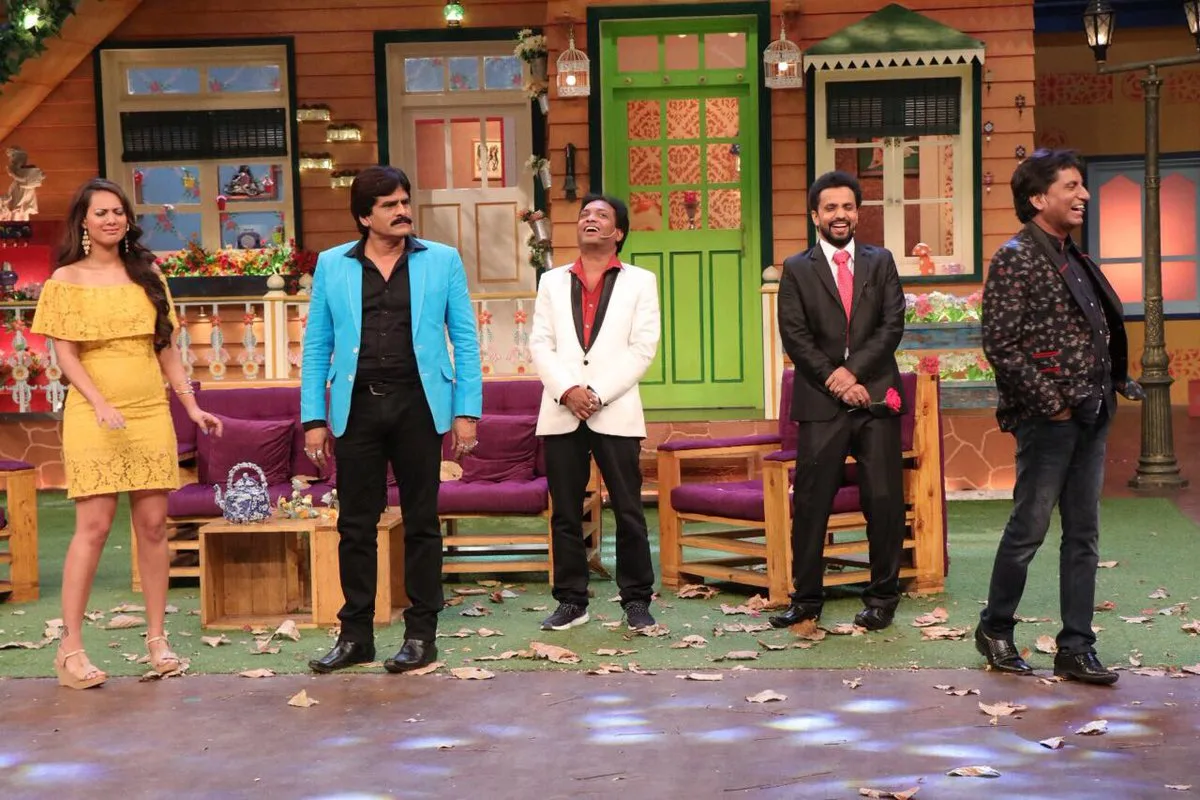
Critics of the remark pointed out that television shows like The Great Indian Kapil Show cater to a wide audience and that its popularity should be viewed as a sign of success rather than subject to mockery. Supporters emphasised that different comedy formats serve varied tastes, and what resonates with one group might not appeal to another.
Comedians themselves often navigate public statements carefully, balancing humour with professionalism. Light-hearted jabs are common within creative circles and frequently serve to spark conversation without serious discord. Pal’s comment fits within this tradition of humourous critique, highlighting how entertainers engage with one another’s work in the public sphere.
In the end, the exchange reflects the dynamic nature of comedy in India, where television, streaming, and live performance intersect. As audiences continue to embrace a variety of formats, comedians like Sunil Pal and Sunil Grover contribute to a larger dialogue about content, creativity, and the evolving landscape of Indian humour.


Comments are closed.