
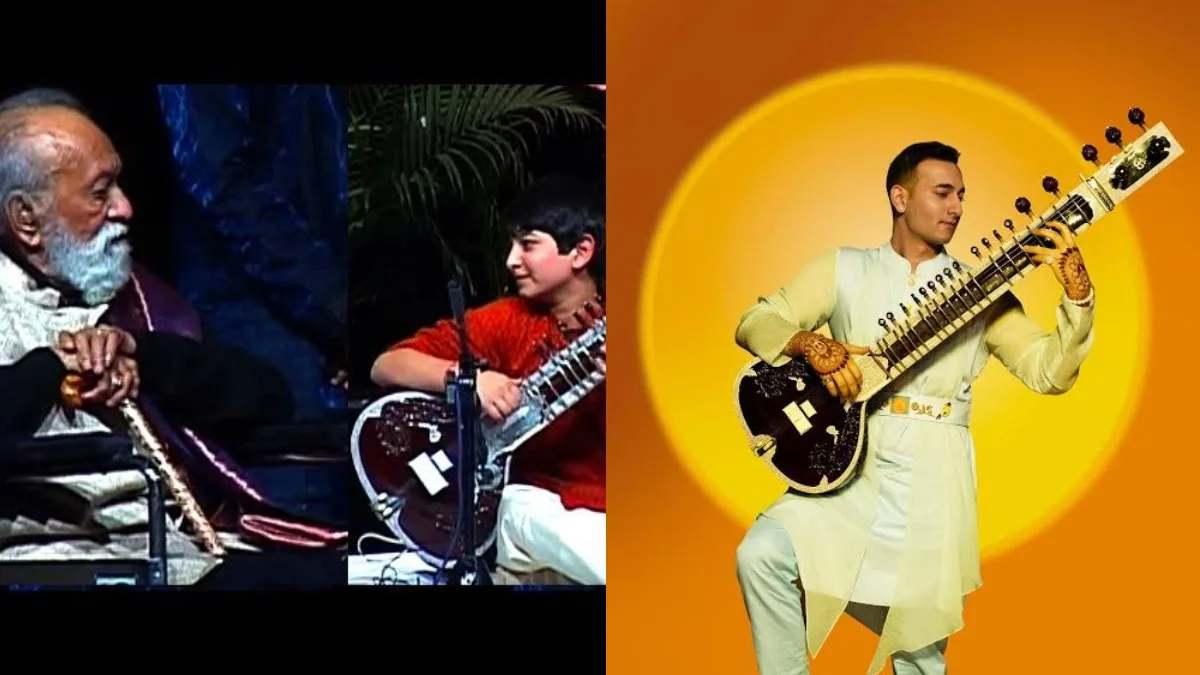
Ravi Shankar Centre Refutes Rishab Sharma’s Claim, Says He Was Not The Sitar Maestro’s Disciple

The Ravi Shankar Centre has issued a formal rebuttal to claims made by musician Rishab Sharma regarding his association with the late sitar maestro Ustad Ravi Shankar, stating that Sharma “was not the disciple” of the legendary musician. The clarification comes amid a growing debate in Indian classical music circles after Sharma’s statements drew widespread attention online and triggered questions about lineage and artistic authenticity.
Rishab Sharma had previously described himself in public comments as a disciple of Ravi Shankar, suggesting that he had trained directly under the legendary sitar player. In Indian classical music, the guru–shishya (teacher–disciple) relationship carries deep significance, representing years of mentorship, personal guidance, and transmission of musical knowledge. It is a bond that carries heavy cultural weight and often influences perceptions of credibility and artistic pedigree.
However, the Ravi Shankar Centre, an institution dedicated to preserving and promoting the legacy of Ustad Ravi Shankar, swiftly responded to Sharma’s statements. In an official communication, the Centre clarifies that while Sharma may have been influenced by or appreciated Ravi Shankar’s music, he was not formally accepted as a disciple by the maestro. The Centre emphasised that students and followers who trained directly under Ravi Shankar or within his lineage are documented and recognised by established archival records.
The Centre’s statement also underlined the importance of accurately representing one’s musical background, especially when referencing iconic figures like Ravi Shankar, whose legacy has shaped generations of musicians both in India and globally. It suggested that misrepresentation, intentional or otherwise, can dilute the value of genuine mentorship ties and may mislead audiences unfamiliar with the nuanced traditions of Indian classical training.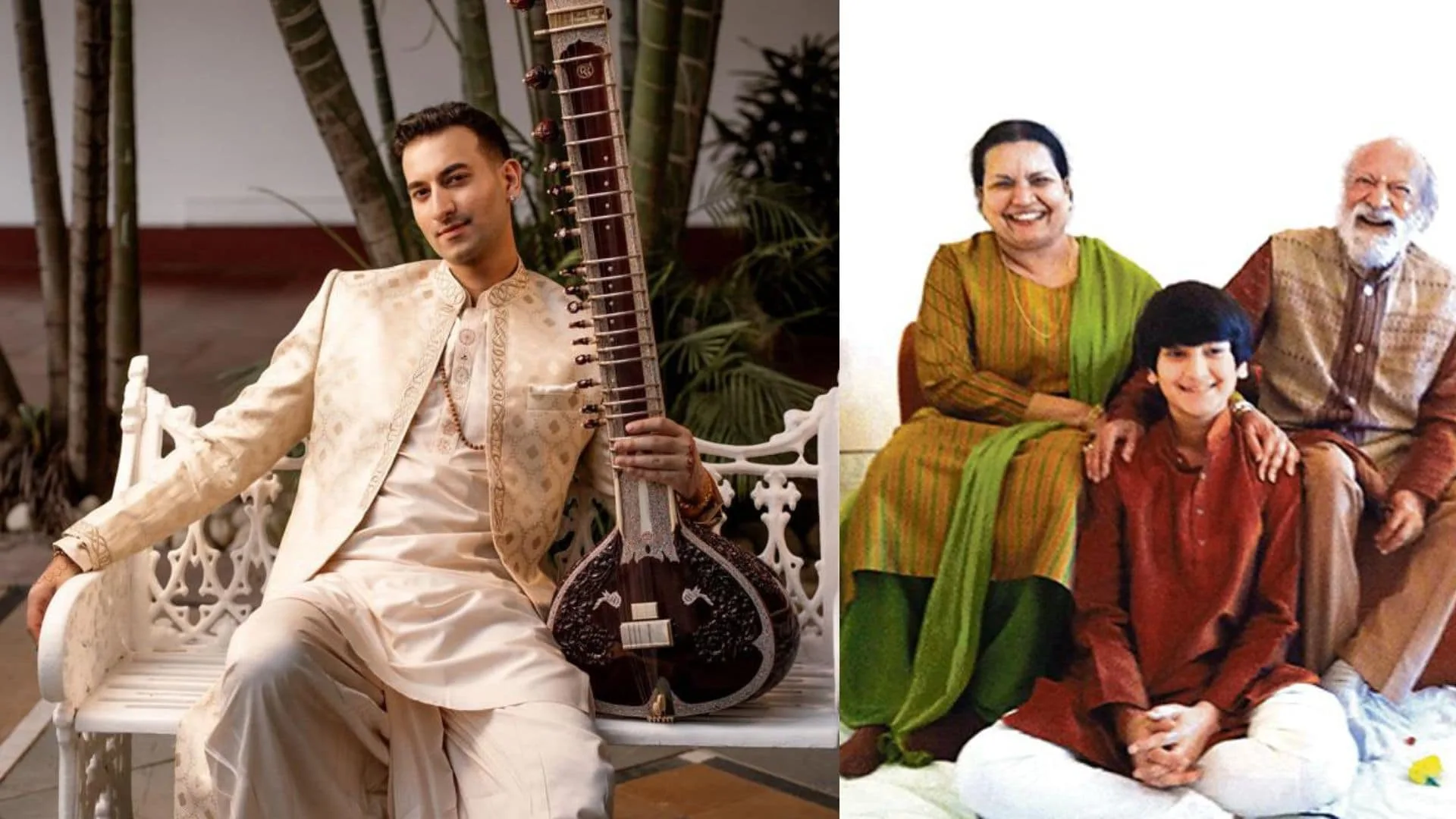
The matter has sparked extensive discussion among artists, music scholars, and enthusiasts on social media and classical music forums. Many musicians took to online platforms to stress that distinction between formal discipleship and general influence or inspiration is vital, particularly in a cultural context where lineage is intertwined with artistic heritage. Some argued that claiming formal tutelage without clear evidence undermines the respect tied to guru–shishya traditions.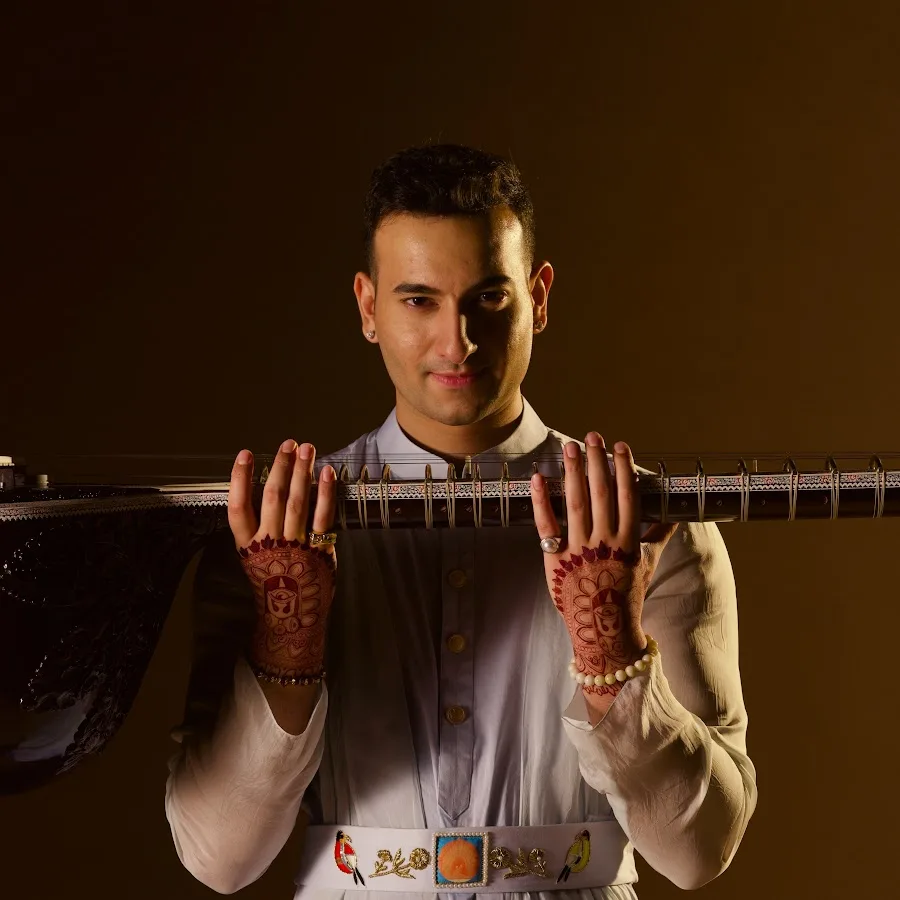
Several commentators also pointed out that the democratisation of music and the popularity of digital platforms have enabled artists to reach vast audiences, but this also increases the demand for transparency in how musicians describe their training and influences. Verified biographies, documented mentorships, and institutional recognition have become important markers in evaluating artistic background.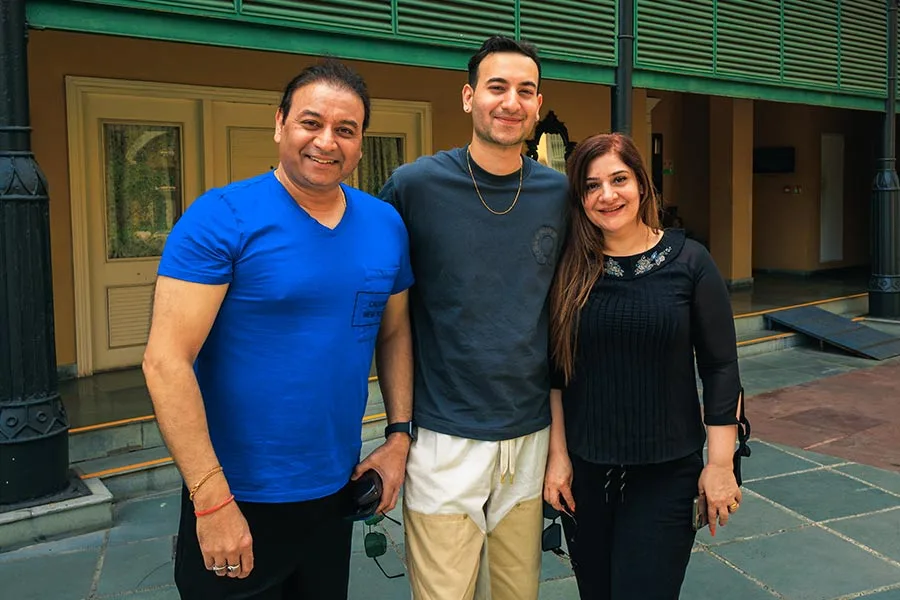
Rishab Sharma’s specific response to the Ravi Shankar Centre’s clarification has not been published at the time of reporting. It remains unclear whether he will address the Centre’s rebuttal or provide additional context regarding his earlier comments. The situation highlights how claims of artistic association can rapidly generate scrutiny when they involve revered figures in cultural history.
Ustad Ravi Shankar, who passed away in 2012, remains one of the most iconic figures in Indian classical music, known globally for his mastery of the sitar and collaborations with international artists. His disciples have included well-known musicians who carried forward his teachings and contributed to the propagation of Indian classical music worldwide.


Comments are closed.