
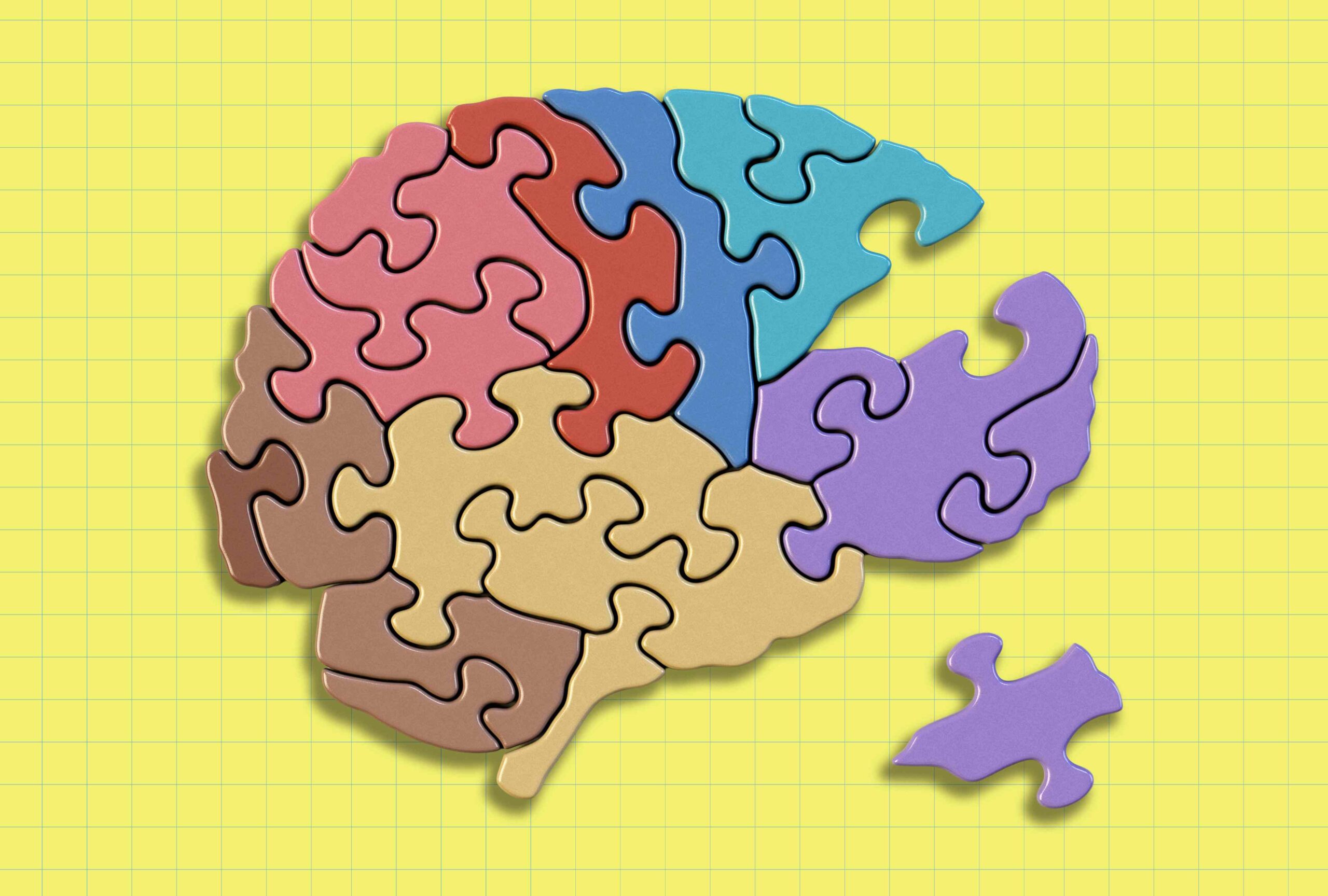

And they can help at any age, researchers have found.
Reviewed by Dietitian Casey Wing, RD, CD
Key Points
- Higher lifetime enrichment was tied to a 38% lower Alzheimer’s dementia risk.
- Top enrichment scores were linked to dementia onset more than 5 years later.
- Enrichment was tied to slower decline, even when plaques and tangles were present.
We’ve all heard that keeping our minds active by reading, learning or taking on new challenges can help keep our brains healthier as we age. But what counts as meaningful “cognitive enrichment,” and how might experiences from childhood through adulthood add up to influence memory and thinking later in life?
While past research shows that things like our education, the resources we can access and our daily mental activities can all play a role, scientists still have questions about what matters most. A new study set out to look at how a lifetime of intellectual engagement might impact the risk of dementia and cognitive decline, and the results were published in Neurology.
How Was the Study Conducted?
To understand the connection between a stimulating life and brain health, researchers turned to the Rush Memory and Aging Project (MAP). This long-term study follows older adults living in northeastern Illinois. A key strength of the MAP study is that participants are evaluated in their own homes, which helps include a wider range of individuals, not just the healthiest volunteers. For this specific analysis, researchers focused on nearly 2,000 participants who did not have dementia at the start of the study.
The researchers created a “lifetime cognitive enrichment” score for each person. This wasn’t just about doing crossword puzzles in retirement. They looked at enrichment across three life stages:
- Early life: This included factors like parents’ education, access to cognitive resources at age 12 (like having books, a globe or an encyclopedia in the house), how often they were read to as a child and whether they had foreign language instruction before age 18.
- Midlife: This measured income level at age 40, access to resources like magazines or a library card and how often they engaged in stimulating activities.
- Late life: This focused on current income and frequency of cognitive activities like reading, writing and playing games.
By combining these measures, the study created a comprehensive picture of each person’s exposure to intellectual stimulation throughout their entire life.
What Did the Study Find?
The researchers found a powerful link between higher lifetime cognitive enrichment and better brain health outcomes.
Participants with higher lifetime enrichment scores had a 38% lower risk of developing Alzheimer’s dementia and a 36% lower risk of mild cognitive impairment. It wasn’t just about whether they developed dementia, but also when. Those in the top 10% for lifetime enrichment developed dementia at an average age of 93.8, while those in the bottom 10% developed it around age 88.4, which is a difference of more than five years. The delay was even more significant for mild cognitive impairment, with a seven-year difference in onset between the highest and lowest enrichment groups.
Furthermore, a more enriched life was associated with a slower rate of cognitive decline over time. Even more compelling were the findings from participants who donated their brains for postmortem analysis. In that group, individuals with higher enrichment scores showed better cognitive function and slower decline right before death, regardless of the amount of Alzheimer’s-related pathology (like plaques and tangles) found in their brains.
This finding suggests that cognitive enrichment helps the brain become more resilient, allowing it to function better even when physical signs of disease are present.
Limitations
No study is perfect, and it’s important to acknowledge the limitations. The information about early and midlife activities was based on participants’ memories, which can sometimes be unreliable. However, the researchers noted that the scales used have previously shown good reliability and validity.
Another key limitation is that the study participants were predominantly white and highly educated. This means the results may not apply to more diverse populations, and the findings need to be replicated in studies that include people from different racial, ethnic and socioeconomic backgrounds.
It’s also important to note that the study measures, like having a library card, do not directly cause better cognitive outcomes on their own. Instead, these are indicators that someone has access to resources and is engaged in intellectually stimulating activities. The association is a correlation, not proof that simply getting a library card will protect your cognition.
How Does This Apply to Real Life?
The key takeaway is that protecting your brain isn’t about a single activity or a short-term intervention. It’s about building a lifelong habit of intellectual curiosity and engagement. This doesn’t mean you need a high-paying job or a Ph.D. It can be as simple as reading books, learning a new language or skill, visiting museums or playing strategy games.
Getting a library card was linked to better outcomes too. Ideally, you’ll use your card to check out books, do puzzles and participate in other activities that engage the brain.
The study suggests that it’s never too early or too late to start. Enrichment in midlife and late life showed strong benefits, while a stimulating early life can set you on a positive trajectory for decades to come. No matter your age, if you’ve been meaning to host a game night or join that book club, now is a great time to dive in.
Our Expert Take
These findings showed that higher lifetime enrichment—which includes hobbies like reading, writing and playing games—was linked to a significantly lower risk of Alzheimer’s and MCI, delayed onset of symptoms by over five years and a slower rate of cognitive decline. Crucially, these benefits persisted even after accounting for the physical evidence of brain disease, highlighting enrichment’s role in building resilience.
From a public health perspective, these results are incredibly hopeful. They suggest that investing in accessible, enriching environments, like libraries, community centers and educational programs for all ages, could be a powerful strategy for reducing the future burden of dementia. It’s a reminder that our daily choices and habits, cultivated over a lifetime, can make a profound difference in how we age.

Comments are closed.