
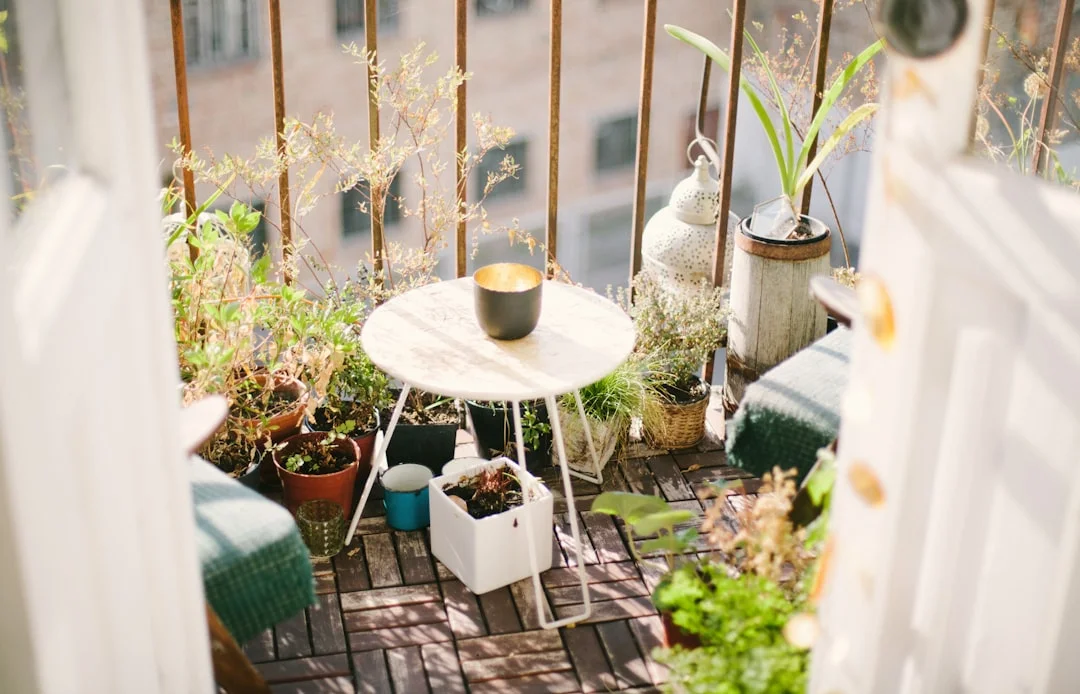

Urban gardening is gaining steady momentum across major American cities as residents transform balconies and rooftops into productive green spaces. From apartment dwellers to young professionals working remotely, more people are exploring small-scale gardening as a practical way to connect with nature while living in dense urban environments.
Recent lifestyle trends show increased interest in sustainable living, home-grown produce, and eco-friendly habits. According to insights frequently highlighted by organisations such as the National Gardening Associationurban gardening continues to grow as households look for accessible and affordable ways to cultivate plants without needing large outdoor areas.
Cities including New York City, Los Angelesand Chicago have seen rising interest in balcony gardens, community rooftop spaces, and compact indoor planting systems. Urban residents are increasingly using containers, vertical planters, and modular garden kits to maximise limited space.
Balcony gardening trends in the United States
Balcony gardening has become one of the most accessible entry points into urban agriculture. With compact containers and lightweight soil systems now widely available, residents can grow herbs, vegetables, and flowering plants even in small apartments.
Popular balcony crops include basil, mint, cherry tomatoes, lettuce, and peppers. These plants require relatively little space and adapt well to container-based environments. Gardening experts also note that beginners often start with herbs because they are easy to maintain and provide immediate practical use in daily cooking.
Retail demand for balcony-friendly planters and self-watering pots has increased, reflecting a broader consumer shift towards home-based sustainability. Many gardening retailers and online platforms now provide starter kits designed specifically for urban homes.
Government agencies such as the United States Department of Agriculture have also promoted urban agriculture initiatives, encouraging city-based communities to participate in small-scale food production and environmental awareness programmes.
Rooftop gardens support sustainability and community living
Rooftop gardening is also becoming a defining feature of modern urban architecture. Residential buildings, co-working spaces, and commercial complexes are incorporating green rooftops to improve environmental performance while enhancing shared community spaces.
Green rooftops offer several benefits, including improved insulation, reduced urban heat effects, and better air quality. In many urban developments, rooftop gardens now function as multi-purpose spaces where residents grow vegetables, relax outdoors, and participate in community gardening projects.
Architects and city planners increasingly recognise the environmental value of rooftop vegetation. Sustainable building designs are integrating rainwater collection systems and eco-friendly irrigation methods to support long-term maintenance of rooftop gardens.
Social media and digital tools drive urban gardening growth
Social media platforms and digital content creators have played a significant role in popularising urban gardening across the United States. Short-form video tutorials, seasonal planting guides, and apartment gardening tips are making it easier for beginners to learn practical techniques quickly.
Mobile apps that track watering schedules and plant health are also contributing to the trend. These tools help urban gardeners maintain consistency, particularly for those balancing gardening with busy work schedules.

Comments are closed.